Use the filters to browse the information we have available or to narrow your search results for a specific audience (e.g. caregivers, military, children), a preferred type of content (e.g. videos, blogs, articles), or by topics of interest (e.g. family concerns, legal issues, symptoms).
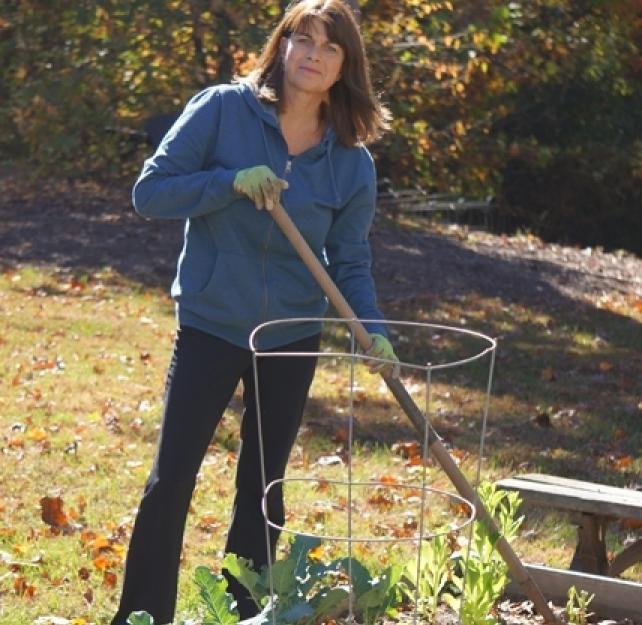
"When a loved one is radically changed after a brain injury, seldom do we focus on the positives that might have sprung from the aftermath of a traumatic injury," writes BrainLine blogger, Rosemary Rawlins.
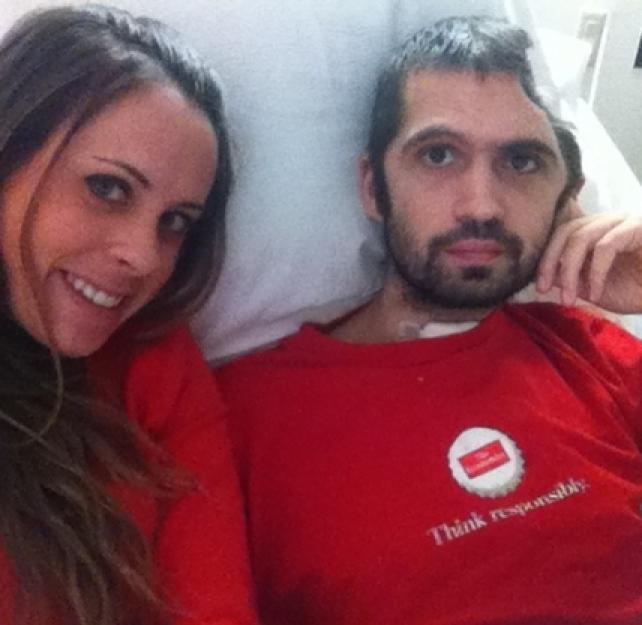
"TC’s brain injury was avoidable, but so are the years and years we could potentially spend dwelling on its source," writes BrainLine blogger, Abby Maslin.
Being defined by your brain injury is different from sharing with a loved one what needs to be shared about the symptoms, says Brainline blogger David Grant.
Joining a group — any group you connect with — can help stave off depression for a person with TBI and his or her family caregivers, says BrainLine blogger Rosemary Rawlins.
Cheryl Gansner shares her experiences about life with her husband, Sgt. Bryan Gansner, who has TBI and PTSD -- especially the social and emotional side.
"Instead of slouching in a chair when I felt tired, I began to go outside. Pulling weeds in the garden and planting a few flowers made me feel less trapped."
As a caregiver, Abby Maslin had to learn when to jump in and help her husband during various stages of his recovery and when to give him the space to push forward on his own.
Wife and caregiver Abby Maslin talks about how her husband was beaten on the streets of his neighborhood, the series of surgeries that followed, and the amazing recovery he has made in only one year.
Caregiver Abby Maslin talks about how it's easy to be married when things are going well, but after a traumatizing, life-changing event like a TBI, everything changes and moving forward takes a lot of mental work.