Use the filters to browse the information we have available or to narrow your search results for a specific audience (e.g. caregivers, military, children), a preferred type of content (e.g. videos, blogs, articles), or by topics of interest (e.g. family concerns, legal issues, symptoms).
The human brain is a three-pound organ that remains largely an enigma. But most people have heard of the brain’s gray matter, which is needed for cognitive functions such as learning, remembering and reasoning.
“TBI is not a derogatory term. It is not career-ending. Hiding it from everyone else is derelict. You could get other people killed. If you don’t ask for help, it makes you less of a man.” Read Karl Holt's story.
Veteran Morgan Luttrell wasn't interested in focusing his studies on brain injuries, but he quickly became a resource for those who had questions. Soon he was helping others by sharing his experiences and connections.
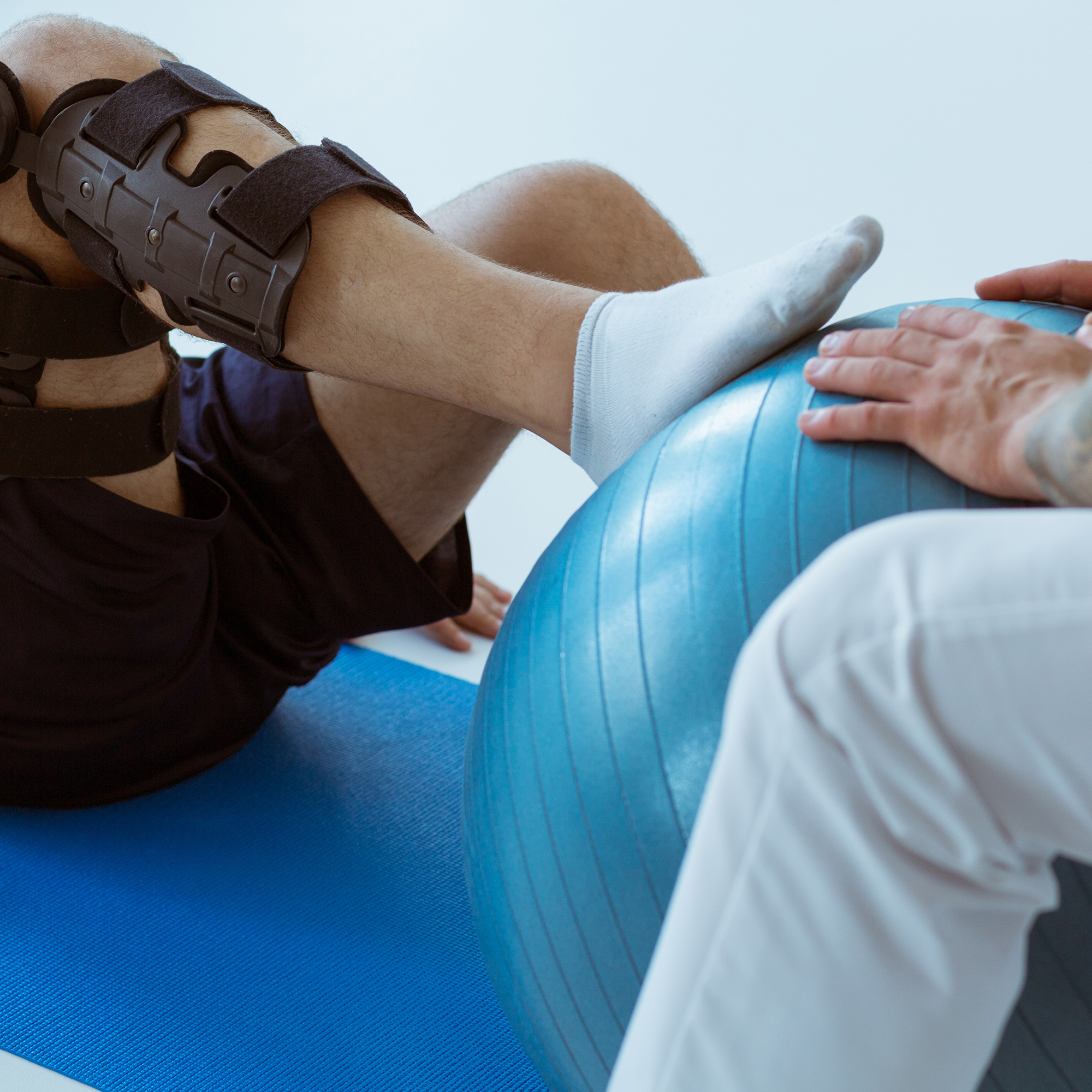
The essential therapeutic and medical components of TRR programs that promote restoration of function, participation in meaningful activities and significant life roles, and improve life satisfaction and quality of life.
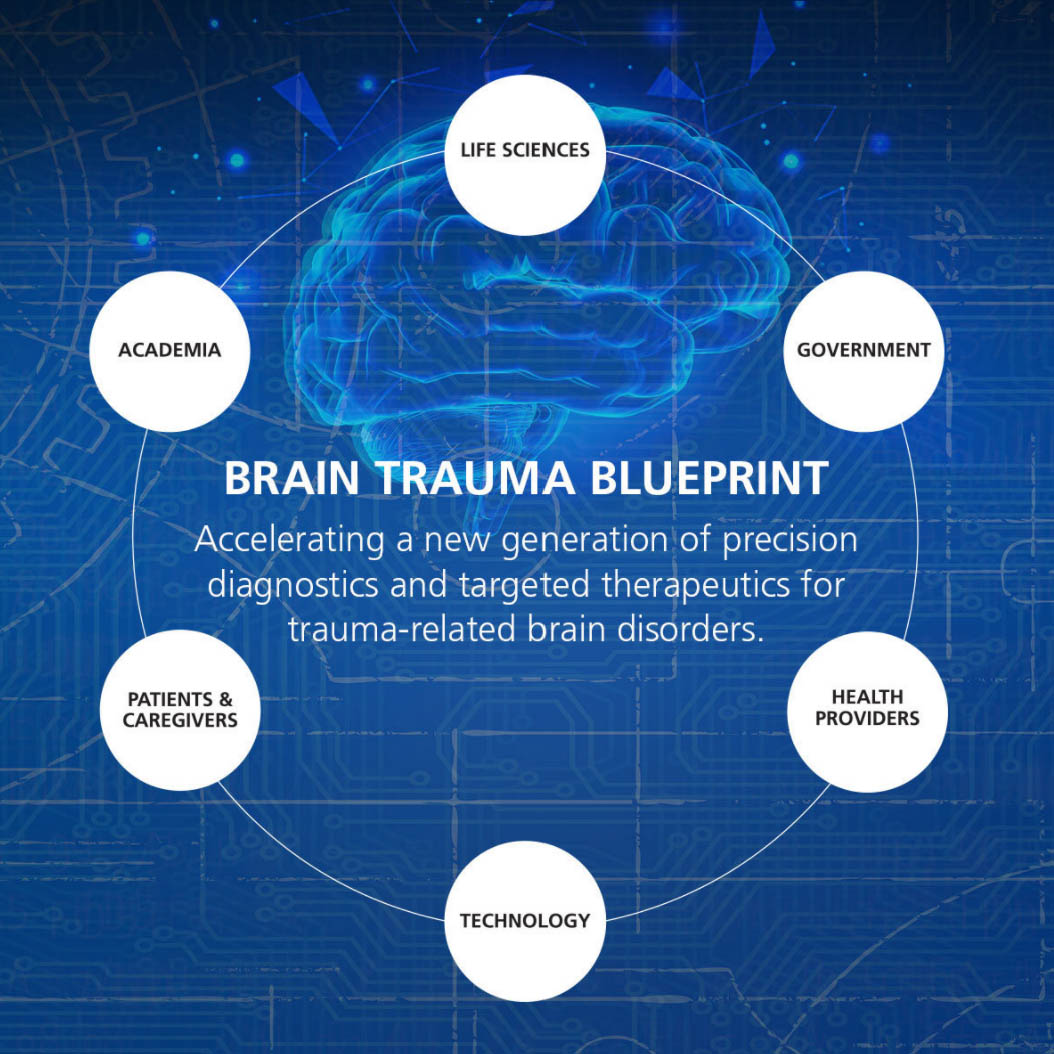
Brain Trauma Blueprint program publishes new recommendations for TBI treatment titled, "Implementation of Concepts and Strategies Surrounding Traumatic Brain Injury Clinical Care Guidelines."
The breaking point came when Sandra Rivera found their 9-year-old son backed against a wall with his arms over his face, shielding himself from her husband’s screaming.
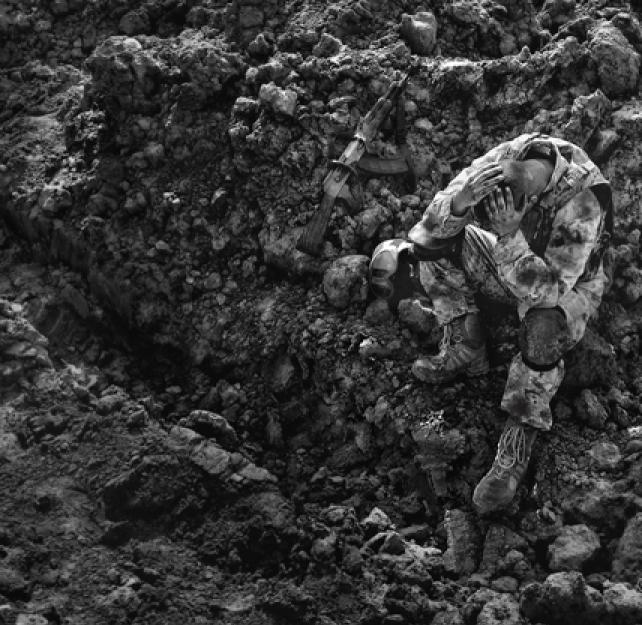
It’s easy to confuse post-traumatic stress (PTS) and post-traumatic stress disorder (PTSD). In addition to sharing similar names, there’s considerable overlap in symptoms between the two conditions.
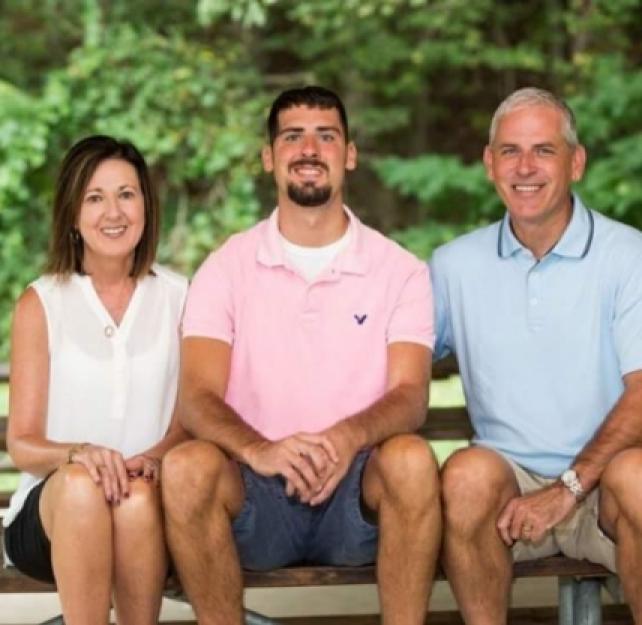
Since the knock on our door, I have earned the title of being an overcomer. Against all odds I have watched my son complete college classes, endure endless hours of grueling therapy, and bravely try every technology available to aid his recovery.
The consequences of mild traumatic brain injury turn worlds upside down. Headache, double vision, and balance difficulties are the most obvious problems, but less visible symptoms can be the most insidious and difficult to manage.
Social isolation and loneliness are increasingly becoming societal problems, as they contribute to polarization and affect our physical health. Mental health professionals, community advocates and health-care providers have been raising the alarm about this impending crisis.