Use the filters to browse the information we have available or to narrow your search results for a specific audience (e.g. caregivers, military, children), a preferred type of content (e.g. videos, blogs, articles), or by topics of interest (e.g. family concerns, legal issues, symptoms).
If, within your own personal or professional circles, you know someone with a brain injury or PTSD who has been living the survivor life for years, please know that time does not equate to freedom from challenges. Reach out to those you know and ask how they are really doing. You might just be surprised by what you hear — and how much your asking means.
To help more veterans who are experiencing PTSD get the treatment they need to heal and move forward in their lives, many mental health providers have joined PSYPACT, which allows them to provide telehealth care outside the state(s) in which they have licensure. So far, 22 out of 50 states are part of the organization. Learn more here.
After her husband’s injury, Rosemary said they did not hold on to all of their friends, but she explains how they managed to stay in touch with many of them and rebuild or restructure some of the friendships that lapsed.
None of these challenges is blatant to the naked eye, but spend a bit of time with me, and you’ll learn soon enough that I’m not as normal as I look. Such is the nature of being invisibly disabled.
The day after I was hit on my bike, a local neurologist literally high-fived me, telling me that I had no discernible neurological issues and sending me on my way. But it became painfully clear almost from the beginning that something was not right.
Today I live an unfiltered life as my brain injury has essentially wiped away my emotional and verbal filters. No longer does anyone say, “So David, can you tell me how you really feel? These days, I am learning, often the hard way, to say less. ne times.
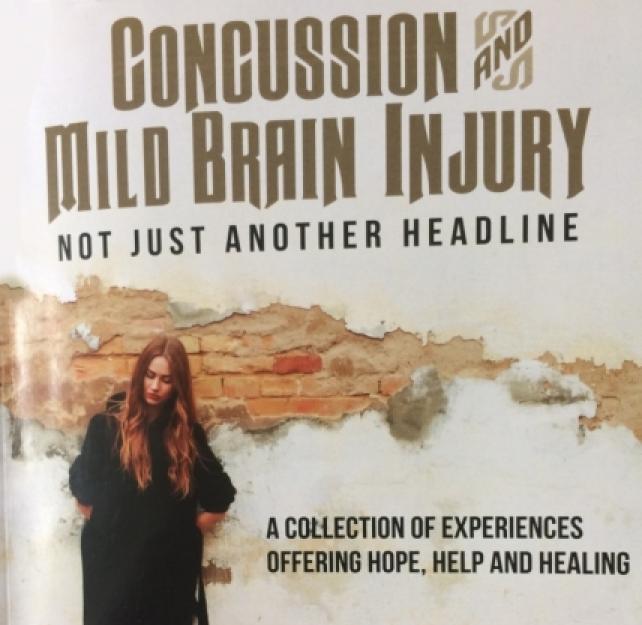
This book presents an enlightening array of personal accounts that illustrate the various ways that concussions have impacted people, families, and communities. I found all of them enlightening but, due to space, can only reveal a few quotes that stood out to me...
Have you ever dreamt that you were terrified, you screamed, but nothing came out? Imagine you are paralyzed, too. You can’t shield your face with your hands or run away, but you see, hear, and understand everything coming at you.
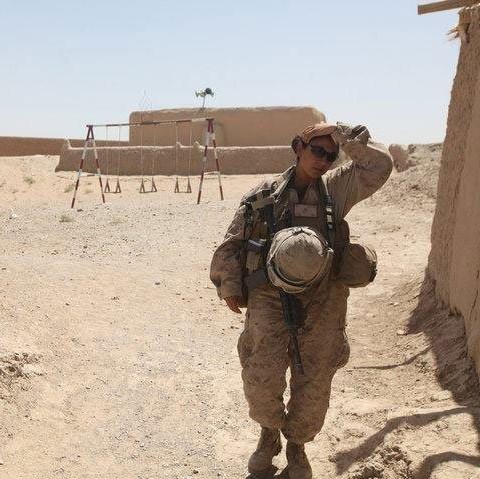
Genevieve Chase accomplishes everything she attempts. She made master sergeant in 15 years in the Army reserves... she was inducted into the Army Women’s Hall of Fame. In the military, she learned Pashto and was an intelligence soldier in Afghanistan. But, like a lot of military women, one dream eludes her: She hasn’t been able to get pregnant.
Gretchen Rubin, once wrote, “The days are long, but the years are short.” She was writing about parenting and not traumatic brain injury, but as I reflect on this poignant quote, I realize that as a caregiver, even those seemingly endless days have passed with such speed that I can hardly account for the last three years of my life.
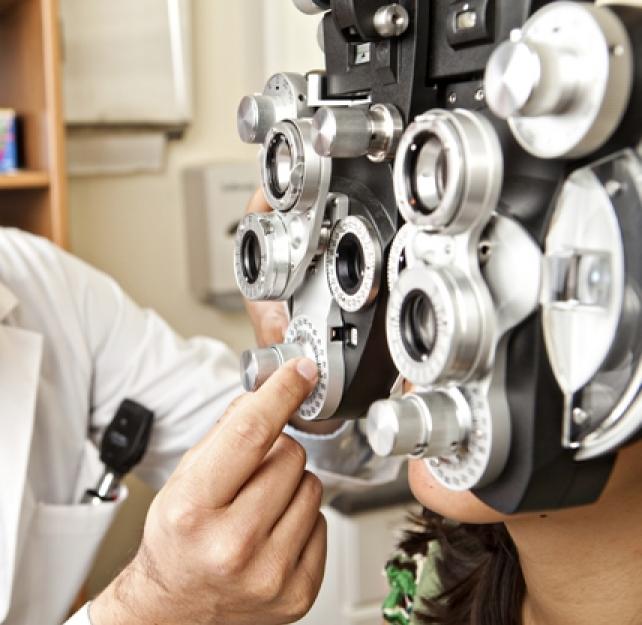
Up to 40% of people with brain injury experience related vision disorders. Some vision-related issues can be permanent; others resolve quickly. Here's what you need to know.
When brain injury comes into a family, it is an unwelcome guest, sitting at the table every single night. In time, you have to learn to accept the guest, and what the presence of it means. You can’t just pretend it isn’t there, and you can’t act like you know the totality of all that is involved.