Use the filters to browse the information we have available or to narrow your search results for a specific audience (e.g. caregivers, military, children), a preferred type of content (e.g. videos, blogs, articles), or by topics of interest (e.g. family concerns, legal issues, symptoms).
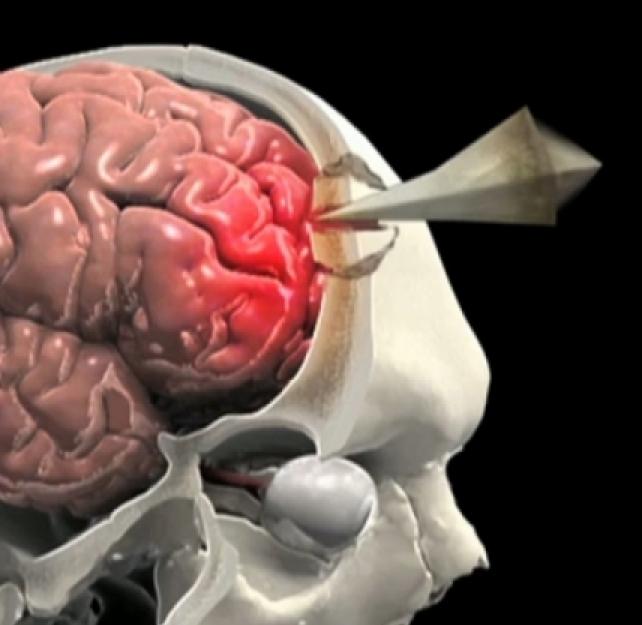
What is unidentified traumatic brain injury? Learn how it can happen and what can be done about it from people with brain injury and experts in the field.
The prolonged period of stress after a loved one has a TBI can last years. Asking for help and knowing that life may be different but it will get easier and better are crucial points for caregivers.
Acceptance of a "new self" can be especially hard for perfectionists and high achievers; they have a hard time accepting the loss of who they once were.
Ambiguous loss describes the grief associated with a loss of a person or relationship, in which there is confusion or uncertainty about that person or relationship.
Although it is painful for a person with TBI and his family to recognize what has been lost from the injury, that understanding also frees them to grieve and move forward.
Concussion Recovery Centers, located near service members' units, are quiet, comfortable environments conducive for rest and recovery after a brain injury.
Service members need to share their injury history, symptoms, and any diagnosis or treatment done in theater to help their stateside doctors better tailor care.
SLPs perform standardized cognitive and language tests as well as an in-depth interview with people with TBI to hear what difficulties they are facing in their day-to-day life.