Use the filters to browse the information we have available or to narrow your search results for a specific audience (e.g. caregivers, military, children), a preferred type of content (e.g. videos, blogs, articles), or by topics of interest (e.g. family concerns, legal issues, symptoms).
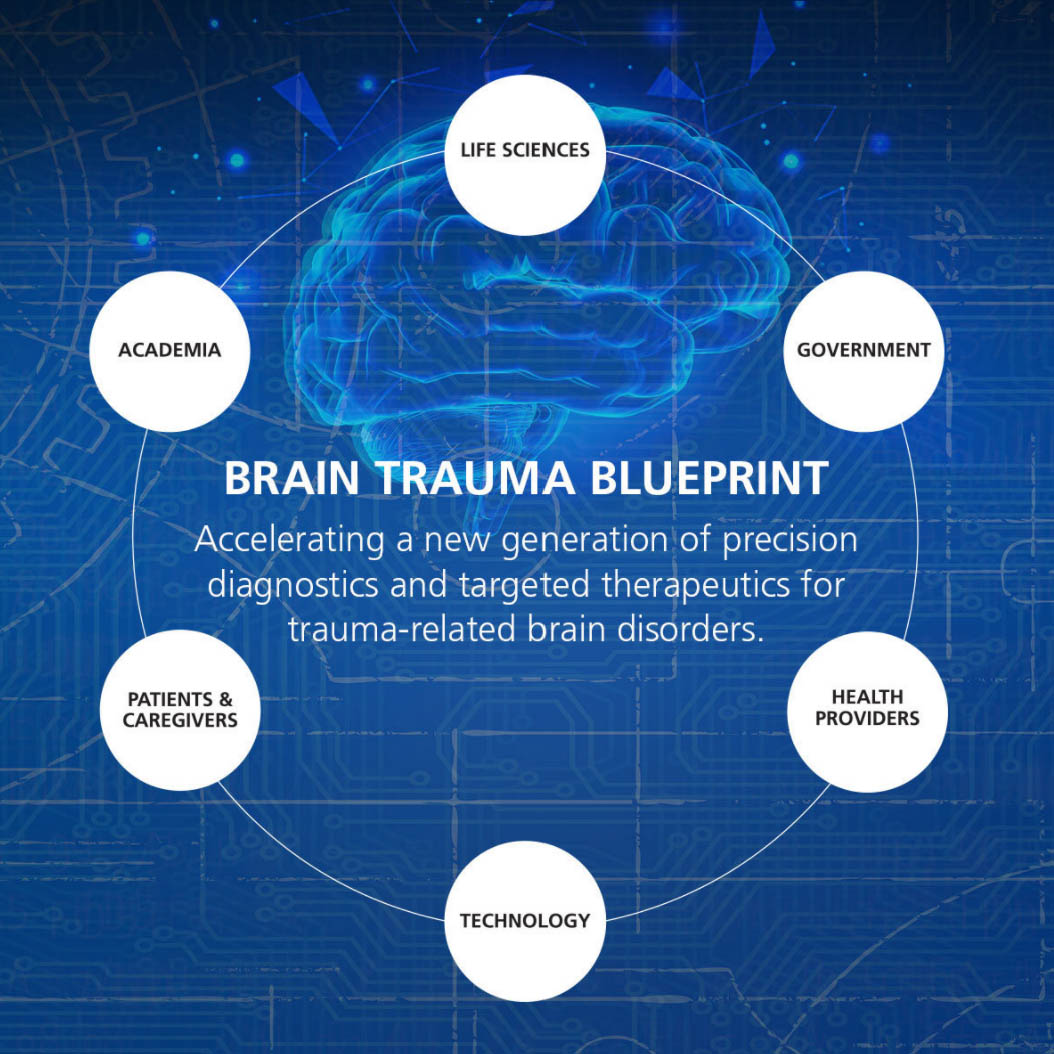
Brain Trauma Blueprint program publishes new recommendations for TBI treatment titled, "Implementation of Concepts and Strategies Surrounding Traumatic Brain Injury Clinical Care Guidelines."
How can we get people to talk more openly about PTSD and related symptoms of TBI? Why is there still a stigma? What can we do? Dr. Klassen answers your questions about mental health treatment.
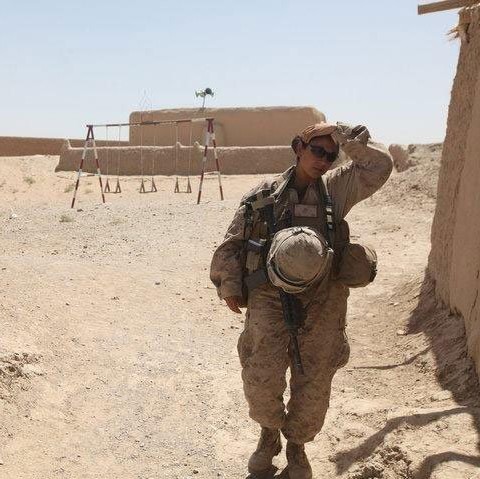
Genevieve Chase accomplishes everything she attempts. She made master sergeant in 15 years in the Army reserves... she was inducted into the Army Women’s Hall of Fame. In the military, she learned Pashto and was an intelligence soldier in Afghanistan. But, like a lot of military women, one dream eludes her: She hasn’t been able to get pregnant.
The biggest and most nefarious misconception about TBI is that it doesn’t get better. That is simply not true. The vast majority of people with TBI do well over time and can be effectively treated to live functional and fulfilling lives. However, that does not counter the risk of behavioral, medical, and cognitive problems in the long term. With more research and experience, experts in the field are focusing on learning more to mitigate risk and improve the outcome of those with TBI in both the short and long term.
Recently, Wounded Warrior Project funded a study with the Rand Corporation on the need to treat substance use disorder along with treating traumatic brain injury (TBI) and/or post-traumatic stress disorder (PTSD). The often co-occurring conditions must be treated simultaneously to be as effective as possible.
A traumatic brain injury or repeated brain traumas can sometimes lead to chronic traumatic encephalopathy, Parkinson’s, multiple sclerosis, astrogliosis, or other neurogenerative conditions. Since researchers are still learning about the progression of these diseases, which can stem from repeated TBIs, providers are currently trying to plan and address how to change their model of care to best help veterans and their families in the long term.
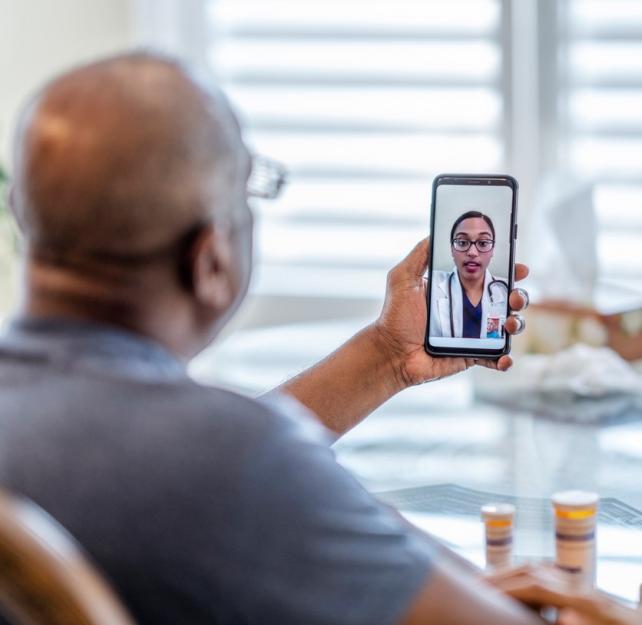
Emory Healthcare Veterans Program’s two-week PTDS Treatment intensive for post-9.11 vets is a convenient and effective means for people to get needed treatment for PTSD, TBI, depression, chronic pain, and substance abuse from home. The results are the same whether accessing care via telehealth or on site.
The Veterans Health Administration continues researching ways to reduce the impact of the most serious injuries U.S. troops suffered in conflicts in both Afghanistan and Iraq.
Dr. Balbir shares how the Wounded Warrior Project's Independence Program supports and provides additional wrap-around services for veterans after they transition home.
The events taking place in the news may be triggering to many in our BrainLine community. If you need to talk, you are not alone. There are resources available now. Please reach out to these crisis lines.
The introduction of COVID-19 to the human population around December 2019 has resulted in a pandemic that continues to affect the entire world. While the research to date has focused on potential neurological impairment to COVID-19 patients, little attention has been placed on the effects of the fallout caused by COVID-19 on individuals who are living with brain injury. Specifically, the pandemic has resulted in job loss, social isolation, interruptions to routine, and a need to adjust previously successful compensatory strategies, all highlighting some of these unique challenges. The general population has experienced the same issues. However, individuals with brain injury were already experiencing these prior to the pandemic.
Here’s a TBI mind-twist: Looking forward to a holiday that just passed. All but forgetting that it’s already in the rearview mirror. “How does that work?” You might be asking.
Connor Martin and his family donated his brother Kevin Ash's and evidence of CTE was discovered, a condition that can only be diagnosed after death. Kevin's family encourages others to donate as well so we can learn more about brain injuries and CTE.
Would Connor Martin's brother, veteran and athlete Kevin Ash, have lived his life differently if he'd know more about traumatic brain injury? Connor doesn't think so. But Connor knows the dangers now and he tries to make things safer when he's active.
Connor Martin believes that donating his brother Kevin Ash's brain made a difference in how his family coped with Kevin's altered behavior and death after receiving traumatic brain injuries (TBIs).
Veteran Kevin Ash suffered blast injuries during his deployment, but it was a rugby tackle that put him in a coma. His brother Connor Martin said that when Kevin work up he had lost both hearing and sight but the family accepted these changes as the "new normal."
Connor Martin's brother, veteran Kevin Ash, fell into a coma after receiving a traumatic brain injury. After he woke up, though, his family discovered he had lost his sight and hearing which cost him a lot of independence. But his family fought to keep him active and engaged with life.
Kevin Ash, a veteran, felt strongly about helping others. His brother Connor Martin knows Kevin would be proud to continuing helping others even after his death by raising awareness of TBI, CTE, and brain donation.
Connor Martin's brother, veteran and athlete Kevin Ash, received a traumatic brain injury (TBI) that put him in a coma. Once he came out of it, though, he didn't seem able to communicate with Connor. It took some investigating to find out why.
While Connor Martin's brother, veteran and athlete Kevin Ash, was stated to come out of his coma there were precious moments for his family, even amidst the difficulties.