Use the filters to browse the information we have available or to narrow your search results for a specific audience (e.g. caregivers, military, children), a preferred type of content (e.g. videos, blogs, articles), or by topics of interest (e.g. family concerns, legal issues, symptoms).
Over the last few months, as my five-year anniversary passed, I felt an internal change. No longer was I simply trying to keep my head above TBI water. A new passion started to stir inside of me...
In 1989, on my way home from work, a semi-truck hit me. I suffered a severe brain injury and spent eight days in a coma. I spent the next ten years focusing on myself and becoming the best I could be with what I had left.
Little did I ever give a thought to the fact that during all those years my brain was quietly remapping in stealth mode. No smoke pouring from my ears, no smell of wood burning, all my healing was happening quietly under the hood.
I've spent chunks of my life living in the past. Being really sad and angry about my dad's brain injury and all the changes it brought to my family and our lives, as we knew them. My mind was stuck in the way it was. Yoga brings you to the present.
Life changes in a million small ways that others cannot see when a loved one is suddenly brain injured. Few understand why caregiving spouses are grieving. After all, you should be grateful that your loved one is still with you. Right? Of course…and yet….
Being defined by your brain injury is different from sharing with a loved one what needs to be shared about the symptoms, says Brainline blogger David Grant.
"One way to take a problem and blow it away like the fuzz off a dandelion is to laugh at it, and if it’s too traumatic and serious to laugh about, laugh at everything surrounding it, or at yourself."
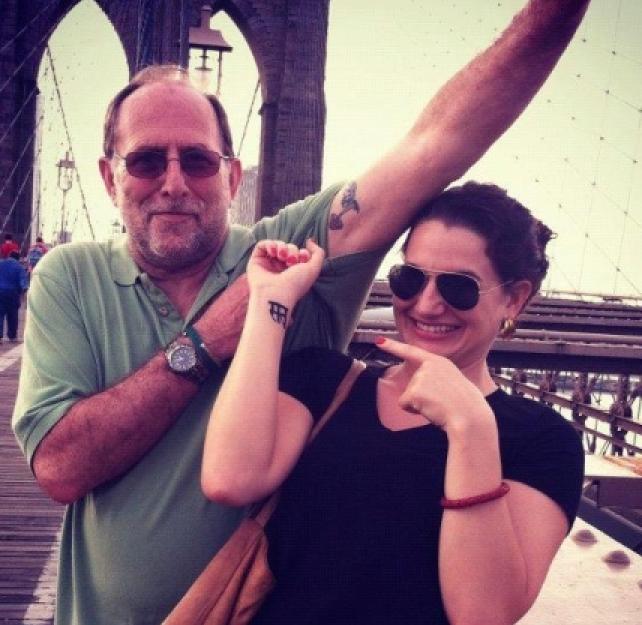
"Growing up with a father with a TBI is complicated, un-ending grief without closure. It’s the opposite of resolution. It’s missing someone like hell who’s still alive and with you."
After TBI, many couples find that their relationship with each other changes dramatically. These changes are very personal and can be very emotional for both people in the relationship.
For some people with TBI and their caregivers, life can feel painfully isolated. But trying to focus on one's strengths and a healthy and socially engaged lifestyle can help.
Although it is painful for a person with TBI and his family to recognize what has been lost from the injury, that understanding also frees them to grieve and move forward.