Use the filters to browse the information we have available or to narrow your search results for a specific audience (e.g. caregivers, military, children), a preferred type of content (e.g. videos, blogs, articles), or by topics of interest (e.g. family concerns, legal issues, symptoms).
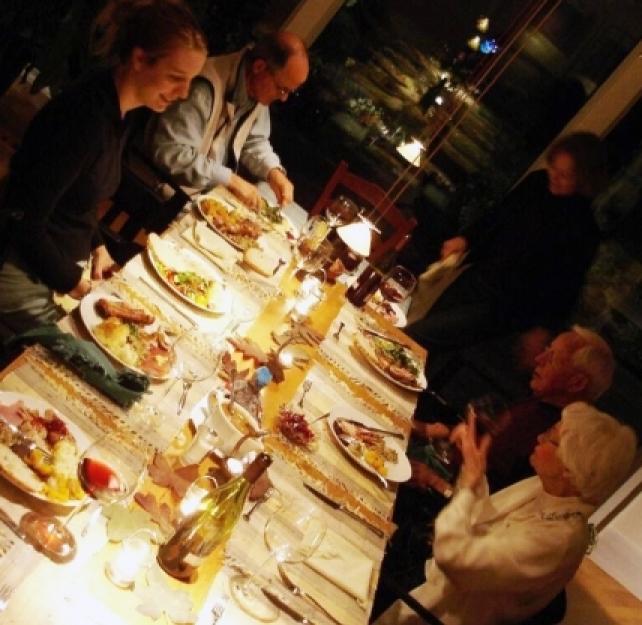
With an injured brain, the holiday season can burden us with more fatigue, more stress and perhaps some sad emotions. We will be able to enjoy ourselves much more if we prepare ourselves for the holiday season. Here are some tips that work for me since my brain injury.
Mood and behavior changes may appear after a concussion or mild TBI. You or your loved one may not understand why this is happening or know what to do. Trying these tips may improve these feelings.
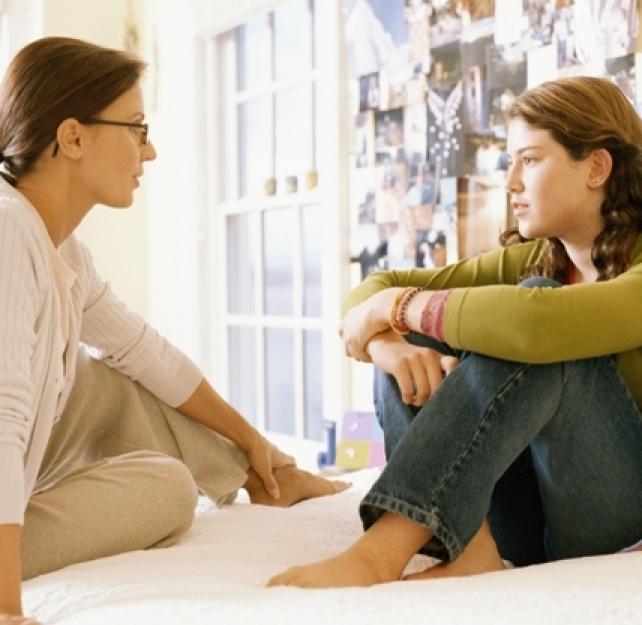
Teens need to be able to talk about their plans and concerns with adults, but it can sometimes be difficult for adults to get out of the driver’s seat and let the teen take charge.
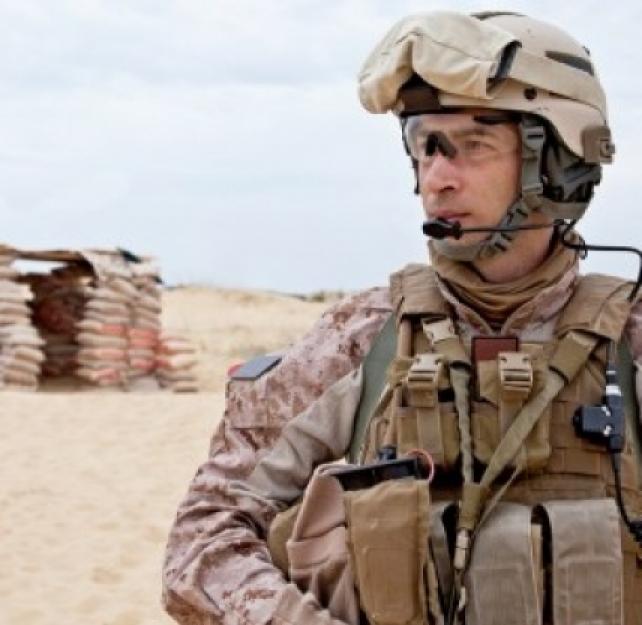
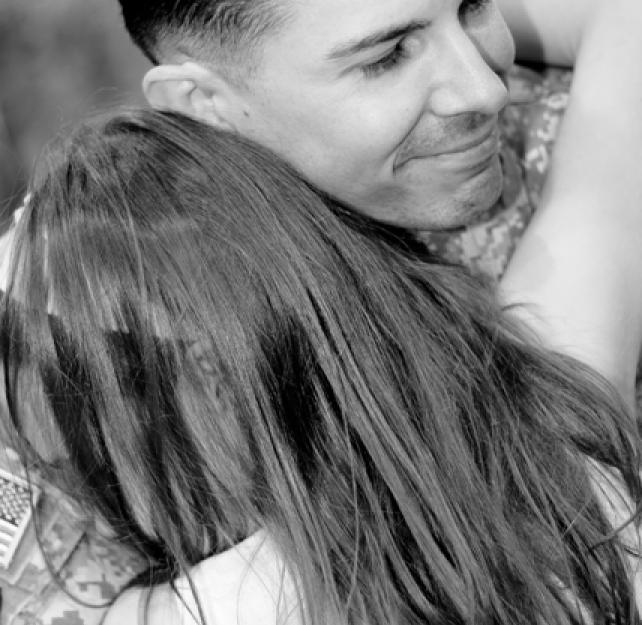
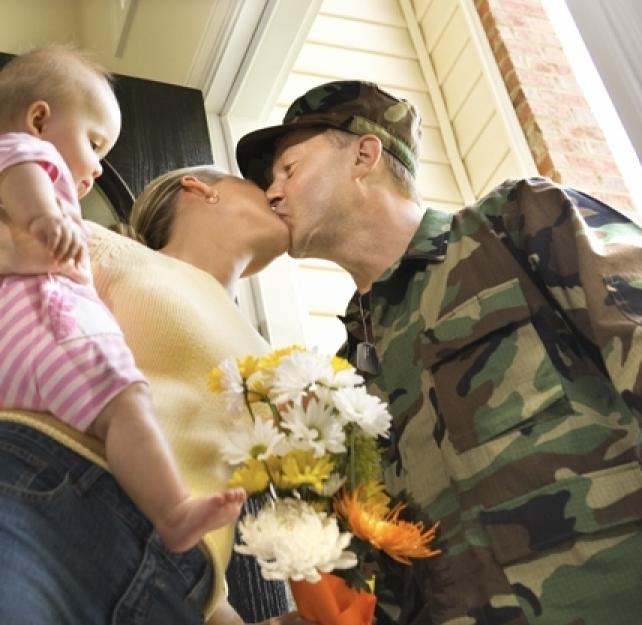
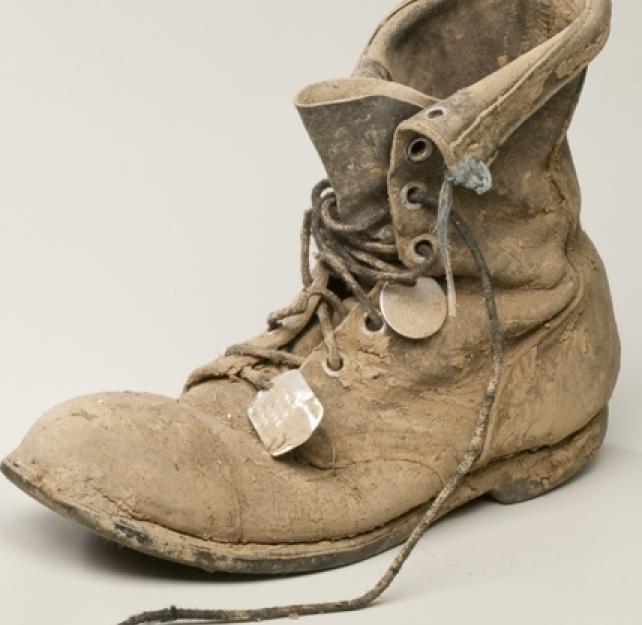
The happy anticipation of a service member returning from combat deployment often is mixed with a dose of anxiety. Families might be ecstatic, nervous, scared, or confused, or all of the above at once.
Often people talk about the effects of TBI or the consequences of PTSD as separate conditions — which they are. But for the person who is living with the dual diagnosis of TBI and PTSD, it can be hard to separate them.
With a significant life crisis like a brain injury, paralysis, or being a POW, comes great challenge and change. But with it can also come the opportunity for significant growth.
Despite their age, adolescents with self-regulation difficulties after brain injury require the amount of supervision and structure typically provided for younger children.