Use the filters to browse the information we have available or to narrow your search results for a specific audience (e.g. caregivers, military, children), a preferred type of content (e.g. videos, blogs, articles), or by topics of interest (e.g. family concerns, legal issues, symptoms).
Helping someone with a brain injury navigate life on a college campus after being in the military can be a tall order. Army veteran Timm Lovitt is the man for the job.
Adaptive sports like kayaking are great therapy for the injured brain ... and injured spirit. Hear from a few veterans who found hope, friendship, and renewed confidence from being out on the water.
Do you feel like no matter how much time you spend caregiving, you are not doing enough? Rosemary has felt that way, too, but realized she needed to do something about it.
No one can definitively predict the future, but neuroscientist Dr. Ronald Hayes offers his thoughts on how developing research will help diagnosing and treating brain injury more effectively.
A biomarker is any measurement that provides information on a patient's specific organ or organ system. A blood biomarker test like that used to test heart attack is greatly needed for TBI.
The more developed biomarkers become through research, the more clinicians will understand the biochemical changes in the brain from injury and how to treat the effects.
Neuroscientist Dr. Ronald Hayes talks about how, in the future, doctors will be able to map a person's genome, which could help how treatments are developed for brain injury.
Getting an effective blood biomarker test for TBI from bench to bedside with FDA-approval along the way is no small feat. Dr. Ronald Hayes talks about two proteins for which researchers have high hopes.
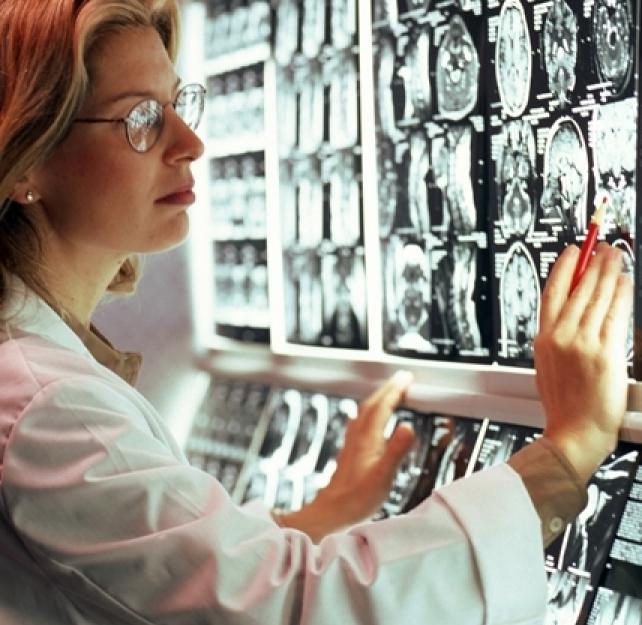
Neuroscientist Dr. Ronald Hayes talks about how a blood biomarker would be a powerful adjunct to imaging and in-person evaluations when testing someone for a brain injury.
"Life and living is the very definition of surviving. It is what the living do. Definitions are meant to change. Able to change. For the brain injured, begging to change. What does it mean to you to have survived?"
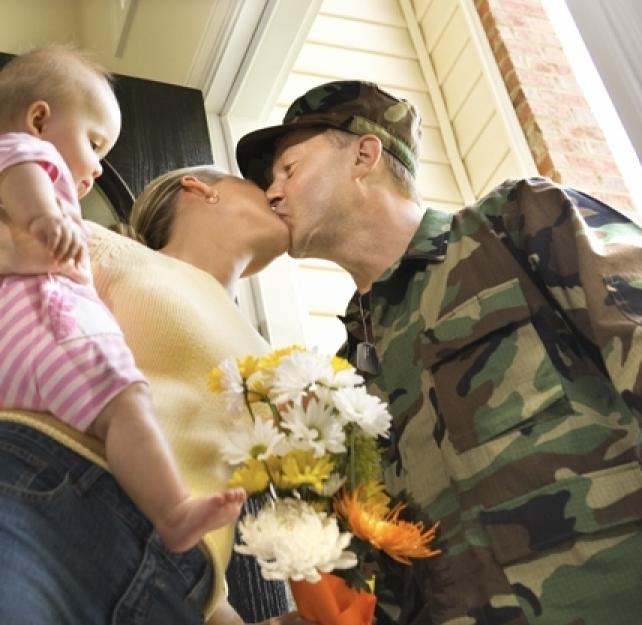
The happy anticipation of a service member returning from combat deployment often is mixed with a dose of anxiety. Families might be ecstatic, nervous, scared, or confused, or all of the above at once.
"Think for a moment about the best gift you have ever received. What made it so different from all the rest?" Rosemary shares one birthday present she will treasure forever.
Like the leg of a table breaking off where the leg meets the table top, cerebral fibers in the brain have sharp branches and turns, which might make them particularly vulnerable to inertial trauma.