Use the filters to browse the information we have available or to narrow your search results for a specific audience (e.g. caregivers, military, children), a preferred type of content (e.g. videos, blogs, articles), or by topics of interest (e.g. family concerns, legal issues, symptoms).
I can’t sleep, I feel irritated and fearful. And I worry about everything. I haven’t felt like myself in who knows how long. Could all these feelings be from the pandemic?
Businesses, restaurants, and other establishments including, ironically, the VA, should become more educated about service dogs and the Americans with Disabilities Act.
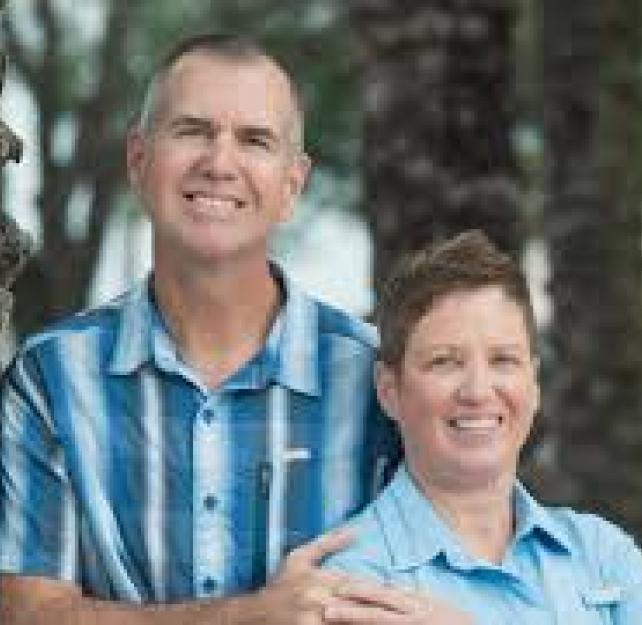
Being organized and having a routine makes each day smoother for Natalie Vines who has TBI and PTSD and for her caregiver husband and fellow vet, Brian Vines who also has PTSD.
Many non-profits have helped Brian Vines, a military veteran with PTSD and fulltime caregiver for his veteran wife with TBI and PTSD, over the last decade.
Natalie Vines—who sustained several TBIs in combat and who has PTSD—found great strength from attending a two-week immersive PTSD program through the Wounded Warrior Project.
People often say that Brian and Natalie's story of injury, caregiving, and retirement from the military is a tragedy. But for them, it's more of a love story.
During their time apart on deployments, Brian and Natalie Vines stayed connected via skype, social media, and hand-written letters, which helped their love endure and burgeon.
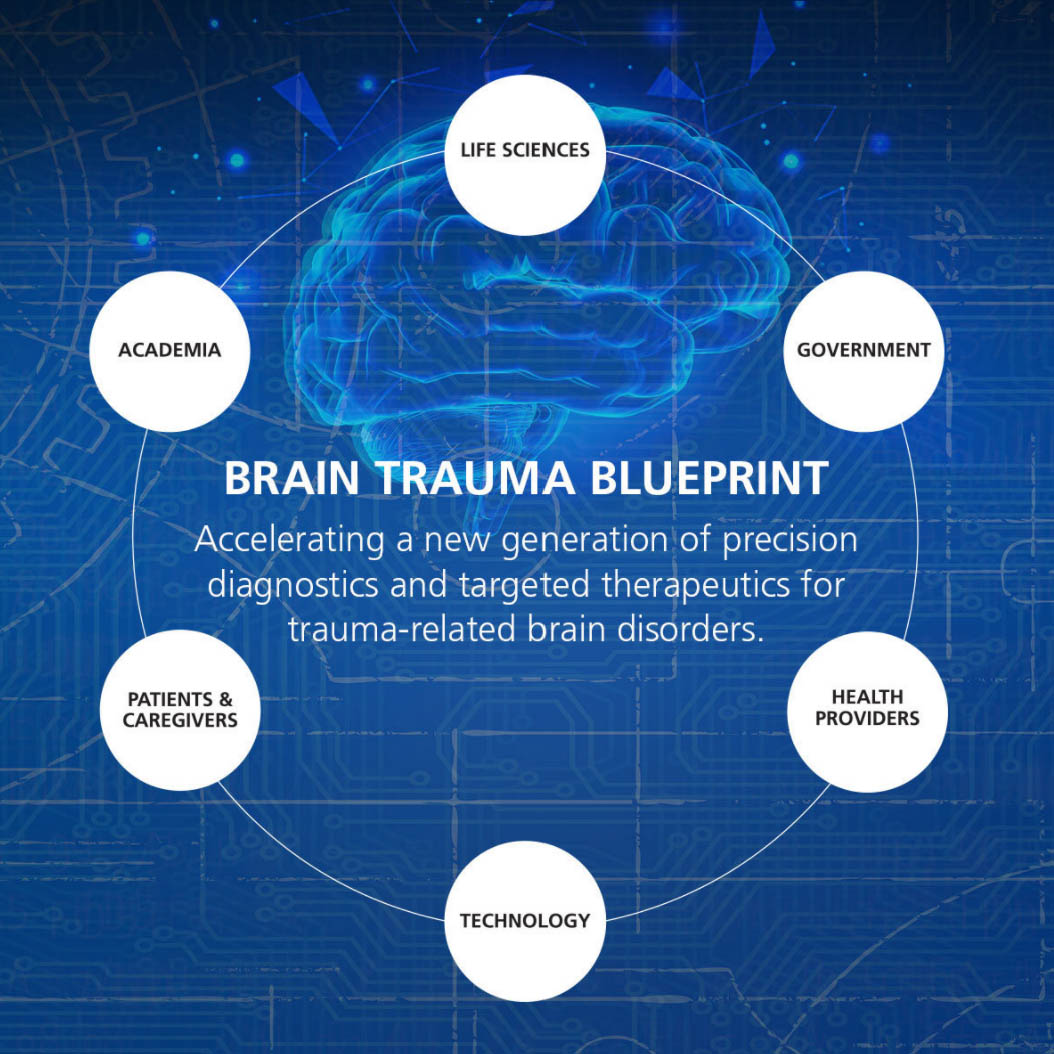
Brain Trauma Blueprint program publishes new recommendations for TBI treatment titled, "Implementation of Concepts and Strategies Surrounding Traumatic Brain Injury Clinical Care Guidelines."
My early year look-backs were filled with profound sadness, and a sense of loss so overwhelming that I felt smothered by it. Thankfully, that is no longer the case. It’s been long enough that I’ve all but forgotten who I was before my brain injury; that person no longer exists. The very fact that I’m no longer bothered by this is a sure sign that my soul is growing.
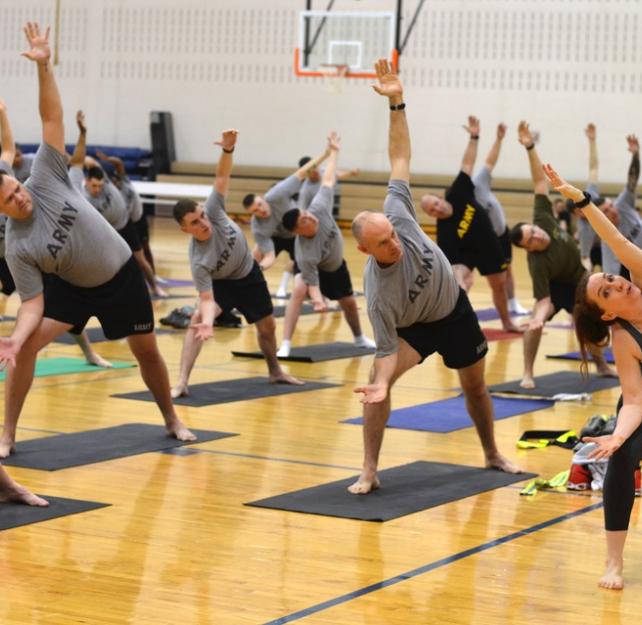
Being a military veteran himself, Marty Yura has a special affinity to the military members he teaches through the Emory Healthcare Veterans Program. Creating a safe, welcoming, and interesting environment in the studio, Mr. Yura brings all of his life experiences to how he teaches yoga and how he creates an important connection with his students.
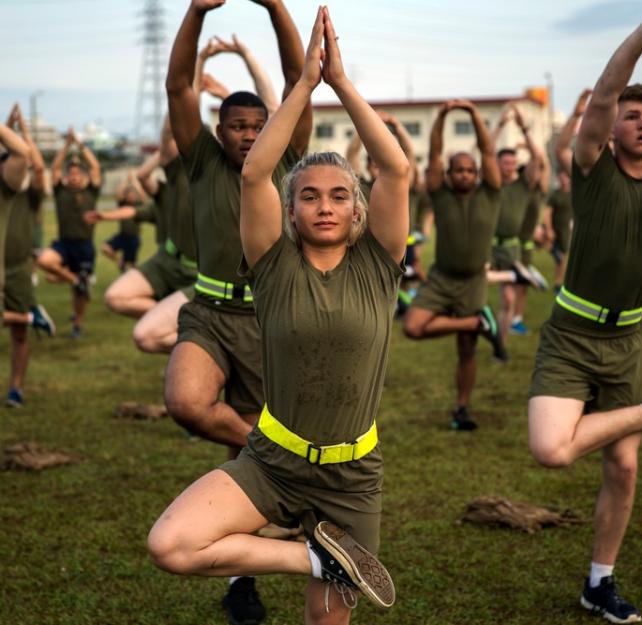
There may not be definitive quantitative data to support the efficacy of yoga for military members, especially those with PTSD, but there is a lot of research and experiential evidence that shows that yoga can make a significant difference in the healing process. Yoga helps to calm the central nervous system, so after even practicing a short time, people with PTSD may start to sleep better, feel less trauma-related physical pain, and experience a greater sense of quietude.
Though everybody is dealing with their own mind and body during a yoga class, there is something powerful about practicing in a group. When teaching veterans with PTSD in the Emory Healthcare Veterans Program, Mr. Yura brings a holistic approach to his teaching. Focusing less on traditional poses and more on somatics — a way of re-educating the way our brain senses and moves the muscles — he helps the group develop a series of movements from which they can readily feel the benefits and use post-program to contribute to their own well-being.
For veterans in the Emory Healthcare Veterans Program, Marty Yura teaches yoga with a focus on heightening the awareness of what a person is feeling in their body. With a focus on somatics — a way of re-educating the way our brain senses and moves the muscles — instead of traditional poses, he helps his students loosen their connective tissue, open neural pathways for greater energy flow to the body, and enhance their awareness of what they are feeling inside their bodies. "In some ways, this is a process of unlearning habituated movements that don't contribute to their health," he says.
Since it's inception, yoga has been an integral part of the Emory Healthcare Veterans Program. During the intensive two-week program, veterans take one hour of yoga three times a week where they learn to release physical and emotional pain. Mr. Yura says that although some students are more engaged than others, it is rewarding for him to see the extent of people's responses to the practice, including embracing what they have learned to use post-program like specific movements for lower back release, breathing techniques, and strategies for calming the nervous system during a reactive situation.
For your body and your mind, start yoga and see what works for you. A yoga practice — no matter what style — may become like brushing your teeth ... a daily necessity that also brings you vigor and peace.
The son of Holocaust survivors, Marty Yura believes deeply that trauma lingers, that it resides in the body ... in our cells, and that though it diminishes with time, the impact of that trauma is transferred generationally. His experience in the military as well as the fact of being the son of Holocaust survivors informs the way he teaches yoga to veterans.