Use the filters to browse the information we have available or to narrow your search results for a specific audience (e.g. caregivers, military, children), a preferred type of content (e.g. videos, blogs, articles), or by topics of interest (e.g. family concerns, legal issues, symptoms).
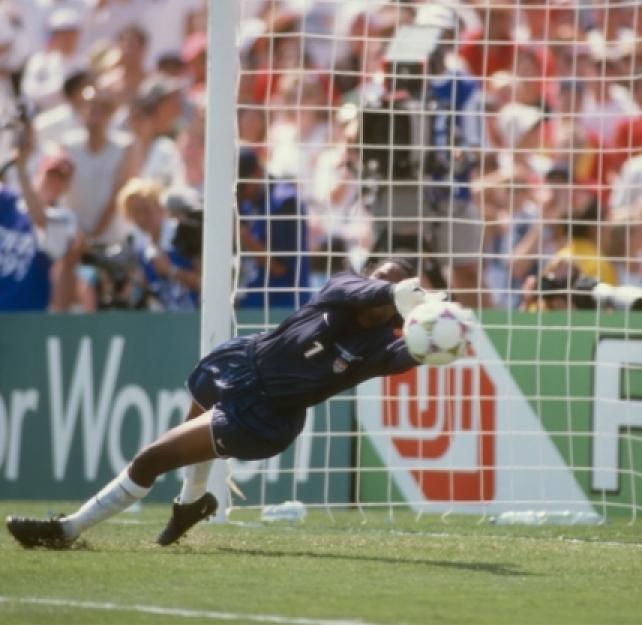
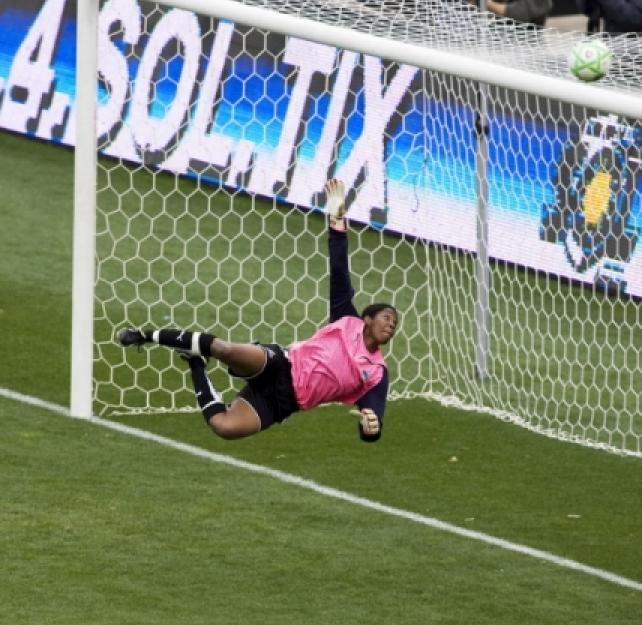
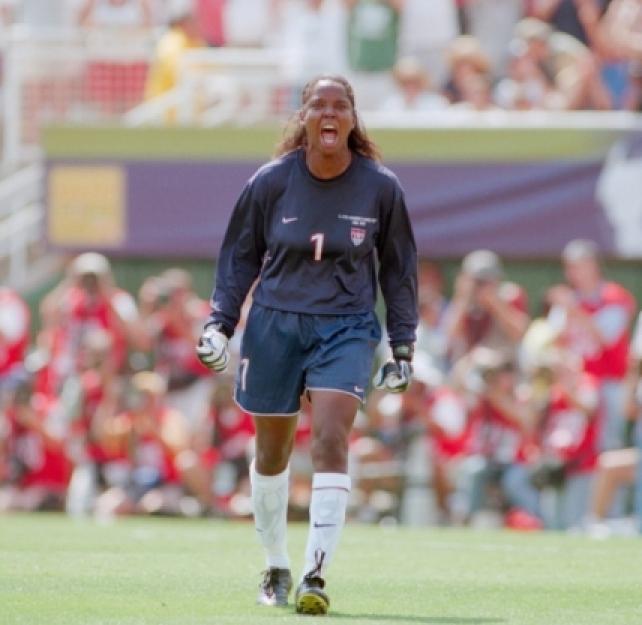
"The penalty kicks, the final goals in the Olympics, playing in front of the president, in front of 90,000 people ... that is what I was born to do ... and my brain is what I used to get myself there."
If you don't feel right after a concussion, talk to your parents, your coach, your doctor ... get a second, third, fourth opinion ... Do not accept that you will not get better.
One out of two girls will sustain a concussion playing soccer, but most will recover and return to play with ease. Nevertheless, awareness and education are key to keeping players safe.
"The Briana Scurry who could tune out 90,000 people during the World Cup and focus on a single ball and know I could keep it out of the goal ... that is who I want to be again."
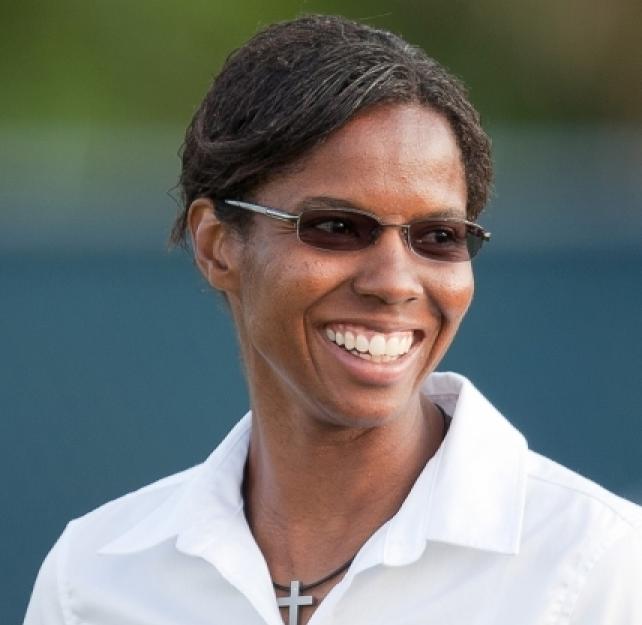
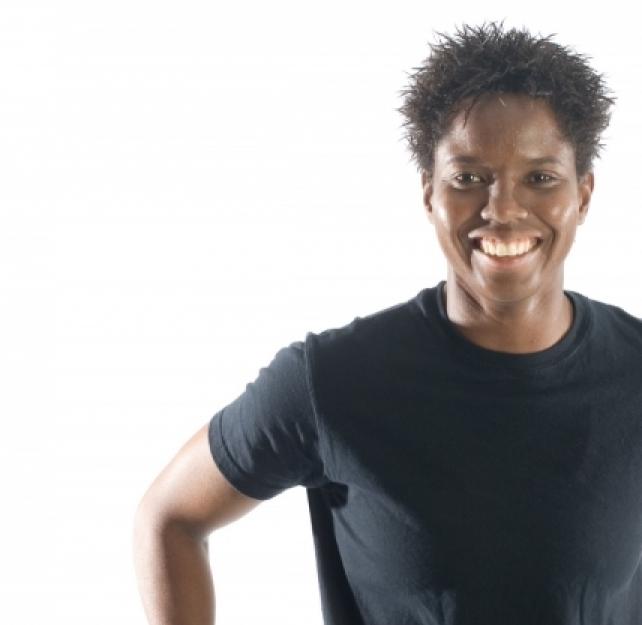
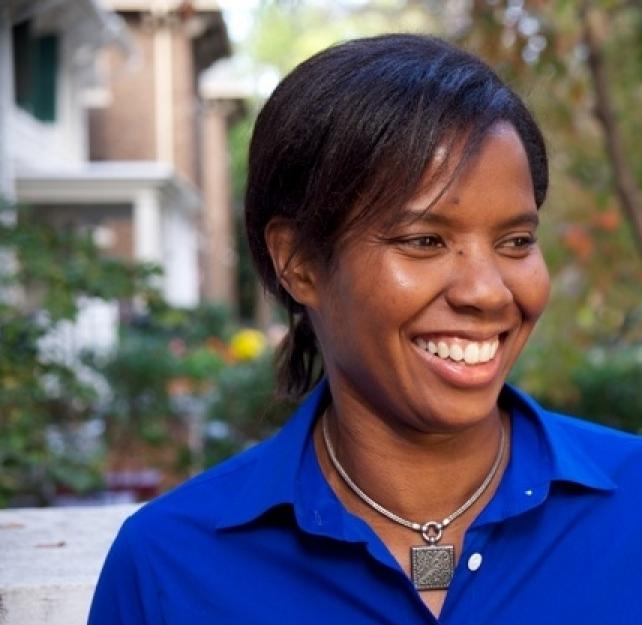
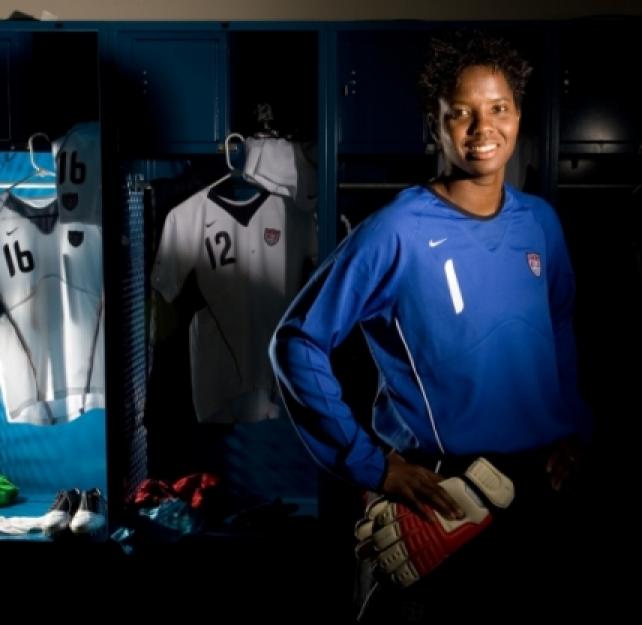
Retired soccer star Briana Scurry talks about how all her successes started with her mind and her ability to overcome obstacles. After her injury, she felt lost, broken.
As someone who had a phenomenal career in professional soccer and that had a career-ending head injury, Briana Scurry knows she can help other female — and male — athletes.
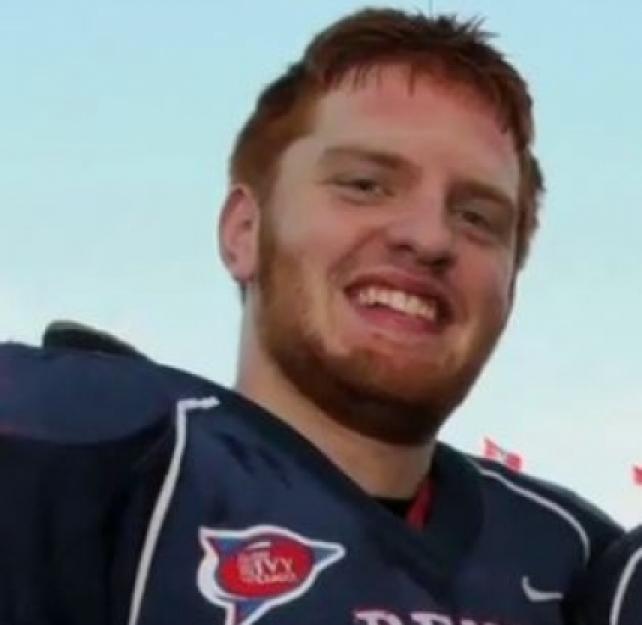
The issues of sports-related concussions and chronic traumatic encephalopathy were intensified when the brain of a deceased 21-year-old football player was examined.
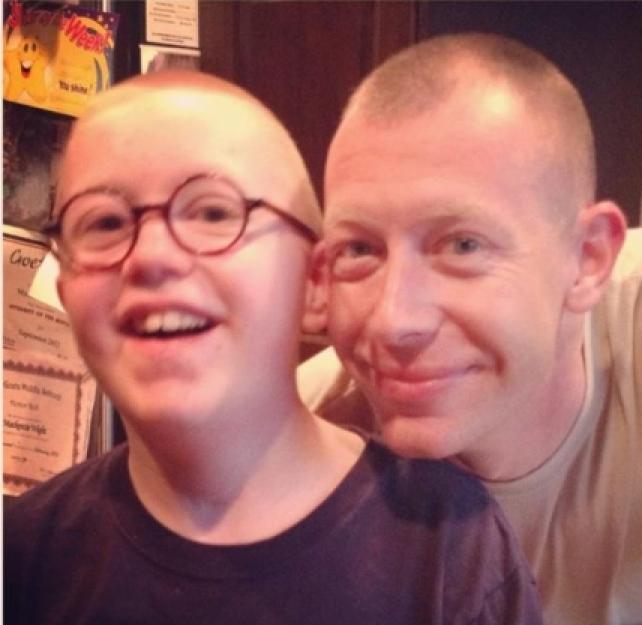
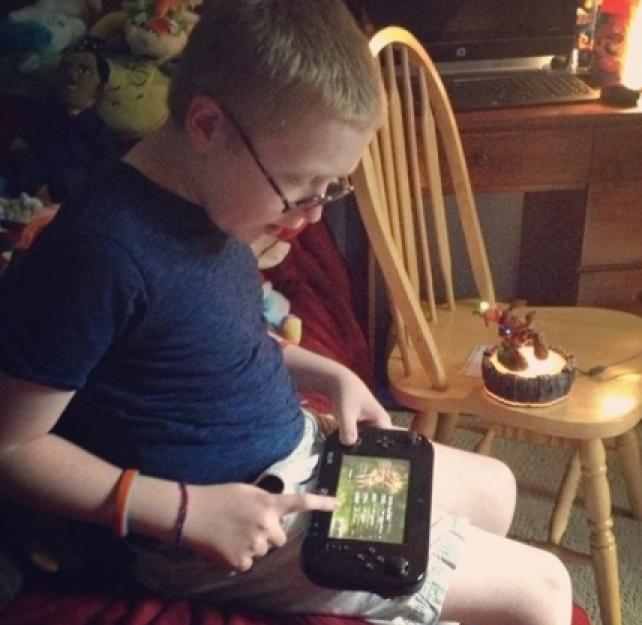
Army Staff Sgt. Aaron Wight talks about being deployed when his son sustained a severe brain injury, how the Army helped his family cope, and how his son inspires others.
Nicole Wight says her hopes and dreams for her son have not changed since he sustained a severe brain injuy; her biggest hope is that he will be happy no matter what he does.
Nicole Wight says that taking her son home once a week while he was in the hospital fulltime after his brain injury helped move toward normalizing the situation.
For Nicole Wight, it took a long time to get herself in therapy but she needed help to grieve the loss of her mother and the loss of who her children once were.