Use the filters to browse the information we have available or to narrow your search results for a specific audience (e.g. caregivers, military, children), a preferred type of content (e.g. videos, blogs, articles), or by topics of interest (e.g. family concerns, legal issues, symptoms).
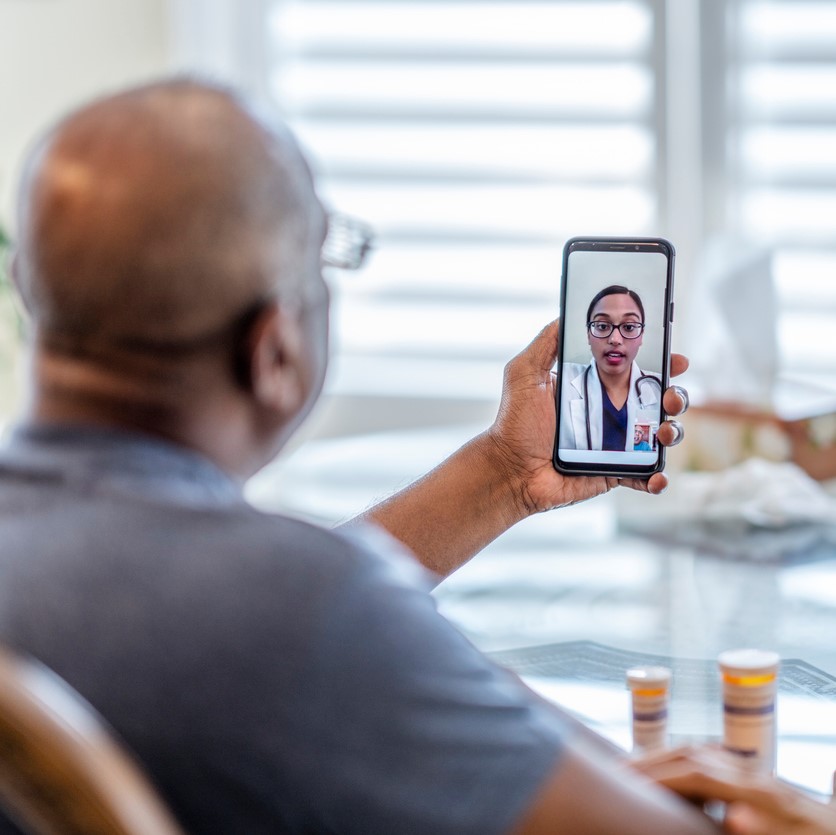
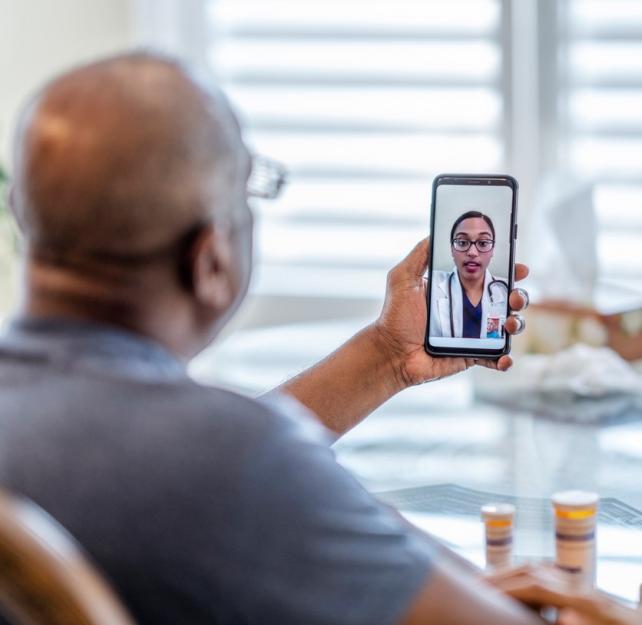
The five-year study, published JAMA Psychiatry, found that telepsychiatry in rural, federally qualified health centers was a resounding success for patients who had screened positive for bipolar disorder and/or post-traumatic stress disorder (PTSD).
The Veterans Health Administration continues researching ways to reduce the impact of the most serious injuries U.S. troops suffered in conflicts in both Afghanistan and Iraq.
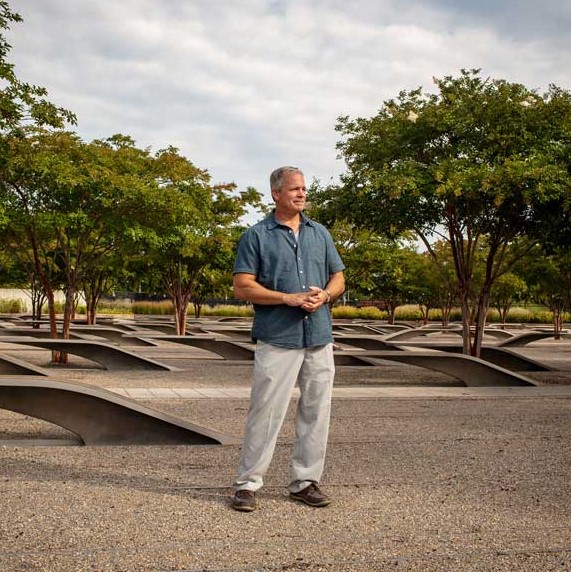
The group rushed down the halls and stairways as a growing trail of people followed. All searched for a path to safety. The security at the Pentagon, meant to keep enemies from breaching its perimeter, had trapped them within the fortified walls.
People get mad in Starbucks because their coffee drink is not right. Really? How can I deal with non-military people who seem to have no idea what we have all gone through?
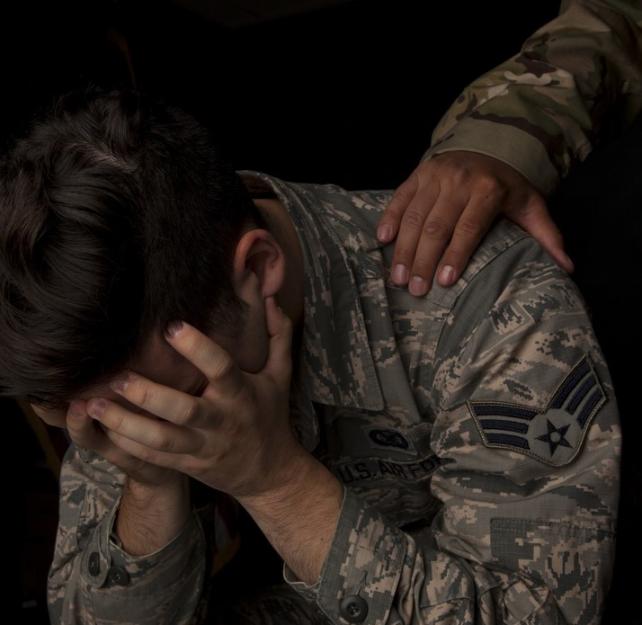
I’ve lost several battle buddies to suicide. I didn’t know it was that bad for them. How could I have helped them? What do I do when I start to feel that there is no other option?
The Insight segment focuses on the current events in Afghanistan, how they're impacting those who have served, and some potential ways to address how we feel about it.
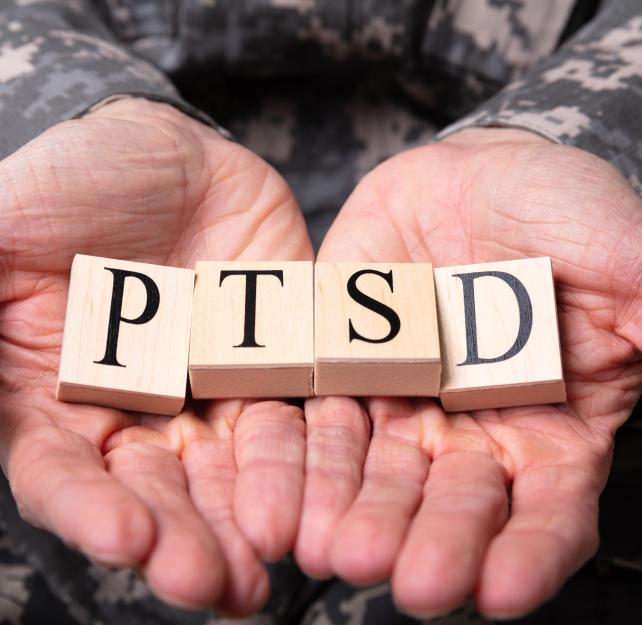
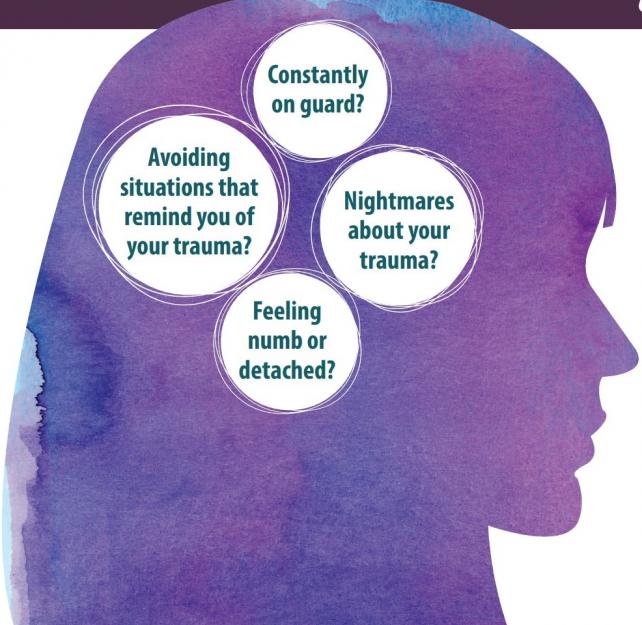
PTSD can make somebody hard to be with. Living with someone who is easily startled, has nightmares, and often avoids social situations can take a toll on the most caring family. Early research on PTSD has shown the harmful impact of PTSD on families.
Wounded Warrior Project is mounting a campaign to call and offer support to approximately 40,000 veterans of the Afghanistan War amid recent developments.
The news about the United States withdrawing military forces from Afghanistan is hard to stomach. I am angry. I am sad. And I am worried. Worried about the people left there under the Taliban regime. Worried about the possible backlash to the Muslim community here in the United States. Worried about the troops still there working with humanitarian aid. Worried about the veterans and their families who sacrificed so much. Decades of work, deployments, injuries, and death for seemingly nothing.
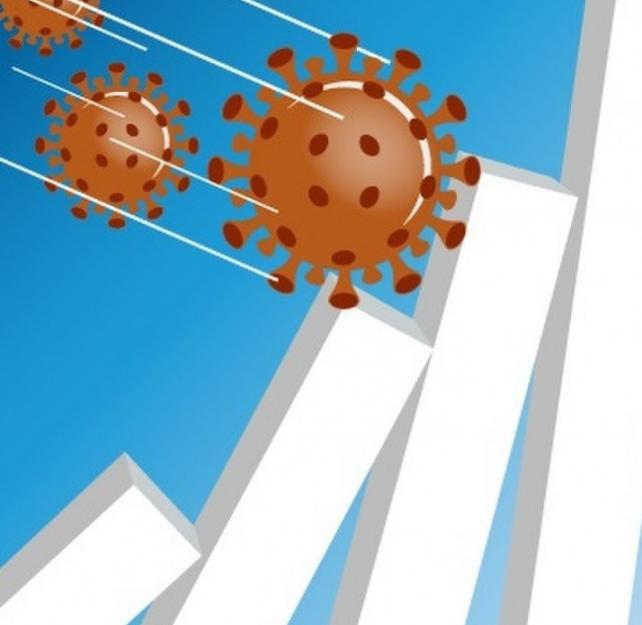
Barbara Rothbaum, Ph.D., ABPP, discusses PTSD signs, symptoms, and treatments, as well as the latest research on PTSD. She also discussed some of the challenges that the coronavirus (COVID-19) outbreak and pandemic has presented for individuals living with PTSD and other mental illnesses.
Dr. Balbir shares how the Wounded Warrior Project's Independence Program supports and provides additional wrap-around services for veterans after they transition home.
Duane France has a conversation with Layla Hernandez, Behavioral Health Manager for Silver Key Senior Services. In the Insight Segment, Duane looks at former service members who might be overlooked when it comes to mental health.
Trauma is common in women; five out of ten women experience a traumatic event. Women tend to experience different traumas than men. While both men and women report the same symptoms of PTSD (hyperarousal, reexperiencing, avoidance, and numbing), some symptoms are more common for women.
Sir, I do not request an apology, explanation, or acknowledgment of my letter. As a lecturer at Texas A&M who advises future leaders, I wrote this to say that I mattered then, and I matter now. I did not deserve to be relegated to a second-class soldier.