Use the filters to browse the information we have available or to narrow your search results for a specific audience (e.g. caregivers, military, children), a preferred type of content (e.g. videos, blogs, articles), or by topics of interest (e.g. family concerns, legal issues, symptoms).
The cognitive, communication, behavioral, sensory, physical, psycho-emotional, and social changes commonly experienced following TBI can affect a person's ability to return to work.
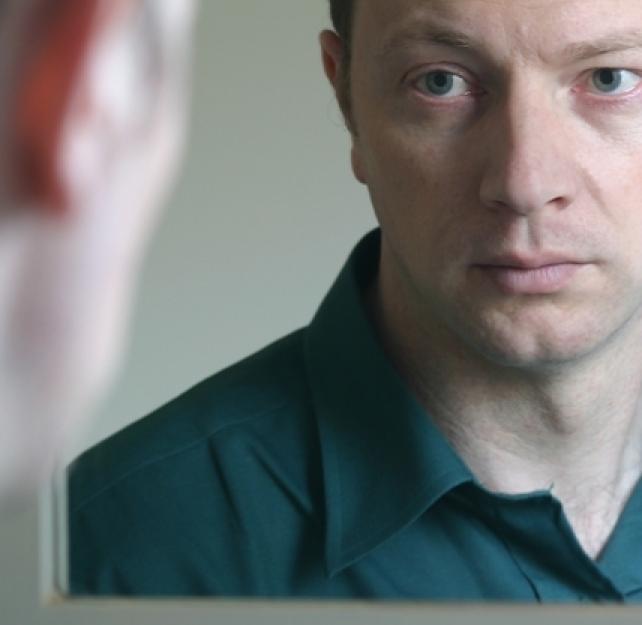
The loss of self-identity following a TBI can be very difficult for the injured person and his family. But the person is still there with strengths and weaknesses, just like anyone.
The Elisabeth Kubler-Ross model of grieving shows stages from denial to bargaining to acceptance. For caregivers with a loved one with TBI, these stages are not so orderly.
Healthcare professionals often talk philosophically about the importance of the holistic approach to helping people with TBI, but do their actions match their words?
Ron Broughton of Brookhaven Hospital talks about moving away from standardized rehab treatments for people with TBI and focusing on a truly individualized model.
Designed to measure post-acute outcome, the Mayo-Portland Adaptability Inventory helps providers measure the progress of people with TBI and tailor appropriate treatment plans.
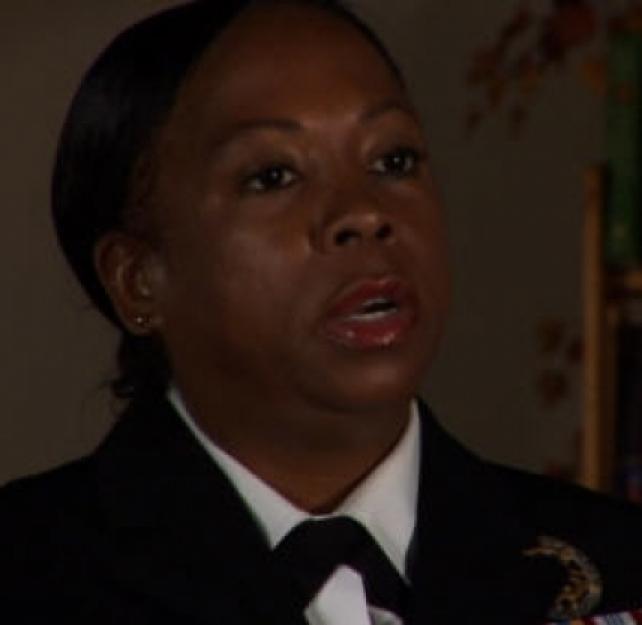
Retired Navy Commander Bernadette Semple had always been an intelligent and highly motivated person. She applied those qualities to the rehabilitation of her brain and her back.
Bernadette Semple was on her way to a mission when someone on her flight hit her hard on the temple. It wasn't until months later that she realized the extent of her symptoms.
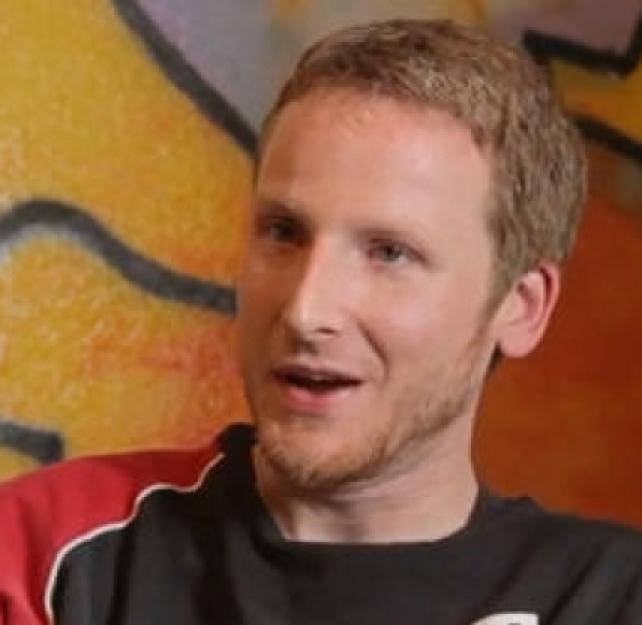
As a young Cub Scout, the "Broken Arrow Boy" fell and an arrow in his hand punctured his brain. More than 50 surgeries later, Adam Moore lives a spiritual and artistic life.
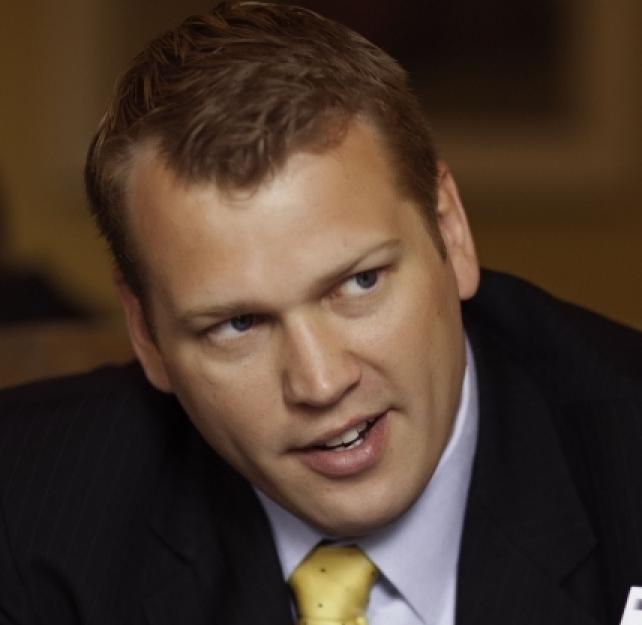
It took years for athlete Chris Nowinski to overcome his many symptoms from TBI. They ranged from debilitating headaches 50% of the time, REM [sleep] behavior disorder, short-term memory problems, and more.
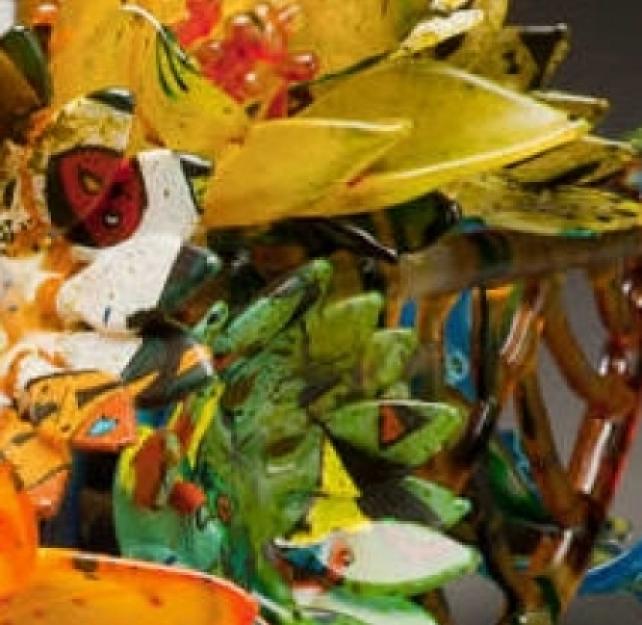
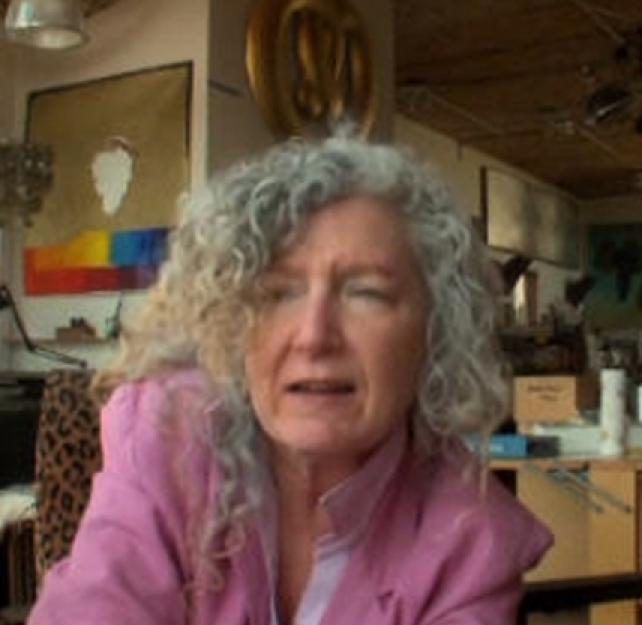
Artists may see the world differently from most people, but for artist Ginny Ruffner, especially after her brain injury, thinking about thinking, thinking about wonder and how the mind creates and is endlessly fascinating.
Artist Ginny Ruffner thinks a TBI is like the universe having a really wicked sense of humor ... but she shows that determination and humor can outmatch any challenge.
I keep making improvements partly because I go to the gym, partly because I do exercises at home, and partly because I'm so dang stubborn. I want to keep moving forward.