Use the filters to browse the information we have available or to narrow your search results for a specific audience (e.g. caregivers, military, children), a preferred type of content (e.g. videos, blogs, articles), or by topics of interest (e.g. family concerns, legal issues, symptoms).
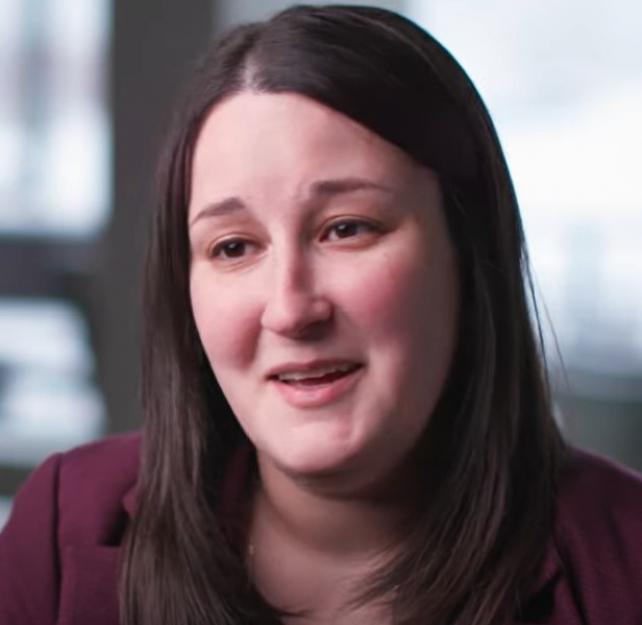
Laura Harward, LICSW, discusses the Intensive Clinical Program at the Home Base, including treatments for PTSD, TBI, depression, anxiety, substance abuse, and military sexual trauma.
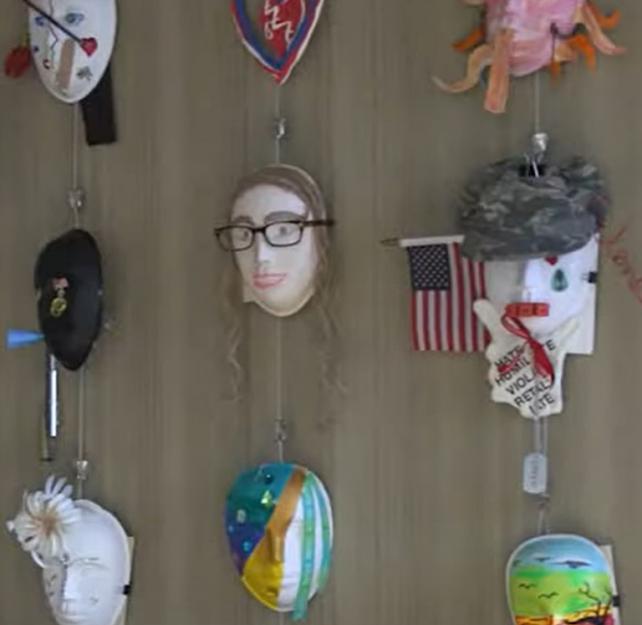
Showing the fronts and backs of masks made by veterans with PTSD and TBI, Art Therapist Stephanie Clark talks about how through the process of making, a veteran can process and better understand their traumas.
How finding a community of support, enjoying music, and reveling in the company of her little poodle all help Kimberly Young-McLear, PhD, on her journey to heal.
The more I start to recognize what I am feeling — both physically and emotionally — the more I can speak up for myself, and advocate for what I need. It is not easy, and not something that everyone wants to hear, but I need to care for myself, too.
I have been speaking with veterans and military family members for BrainLine’s Veteran Voices series. They tell us their stories in an attempt to help anyone who might be experiencing issues with PTSD/TBI. Working with BrainLine has also made me realize just how much trauma occurs both during military service and before.
Tonya Oxendine, United States Army Command Sergeant Major, Retired, joined the military for safety and security but found much of the same trauma she faced at home.
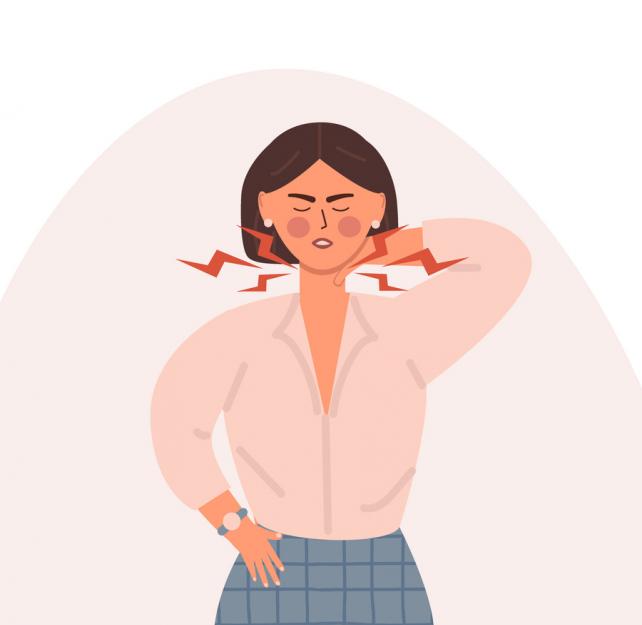
Intimate partner violence (IPV) affects up to 1 in 3 women over their lifetime and has intensified during the COVID-19 pandemic. Although most injuries are to the head, face, and neck, the intersection of IPV and brain injury (BI) remains largely unrecognized. This article reports on unexplored COVID-19–related impacts on service providers and women survivors of IPV/BI.
Providers in the Road Home Program got involved with treating men and women who have suffered military sexual trauma out of necessity as the need was enormous. In the two-week intensive program, survivors of MST receive many effective treatments, in particular cognitive processing therapy where they can finally open up about their experiences in a safe place and redirect blame away from themselves. And being in a cohort of other MST survivors makes this program unique and incredibly effective.