Use the filters to browse the information we have available or to narrow your search results for a specific audience (e.g. caregivers, military, children), a preferred type of content (e.g. videos, blogs, articles), or by topics of interest (e.g. family concerns, legal issues, symptoms).
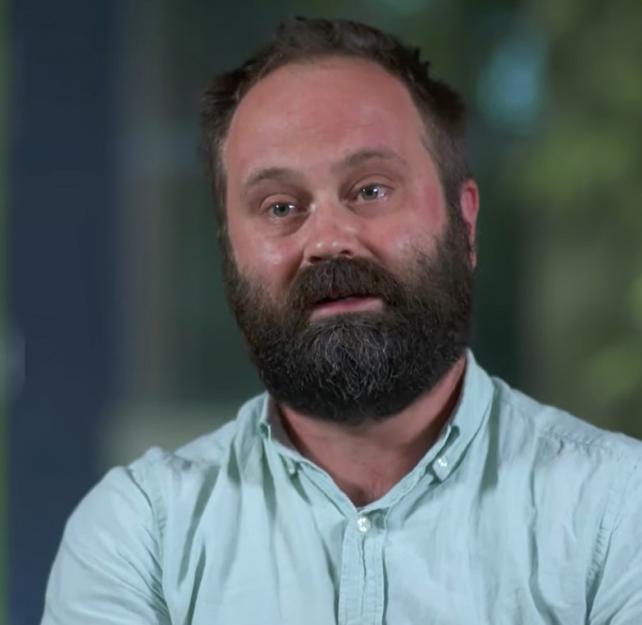
USAF Staff Sergeant Adam Watson joined the military just before 9/11 to find a sense of direction as a young adult. He was trained as a linguist and worked in intelligence. He found purpose and fulfillment in his mission to target terrorists but at a high cost. His time in service took a toll on him and, eventually, his family.
Hear how Home Base, a part of the Wounded Warrior Project's Warrior Care Network, helped Adam treat his depression and post-traumatic stress disorder (PTSD) with Prolonged Exposure Therapy (PE) and other complementary therapies in their Intensive Outpatient Program (IOP). For information about treatments for PTSD please visit The Treatment Hub: https://www.brainline.org/treatment/ Don’t forget to like and subscribe! Information about Prolonged Exposure Therapy (PE): https://www.brainline.org/treatment/pe Home Base in Boston, MA, USA: https://homebase.org/ Wounded Warrior Project's Warrior Care Network: https://www.woundedwarriorproject.org/programs/warrior-care-network Website: https://www.BrainLine.org Donate: https://tinyurl.com/BrainLineDonation Facebook: https://www.facebook.com/brainline Twitter: https://twitter.com/brainline LinkedIn: https://www.linkedin.com/company/brainline.org/
Her husband was different when he came home from his deployment. Jenna married the love of her life, Isaac, in the United States Navy. He returned home from Afghanistan a changed man. Jenna started feeling stressed out herself.
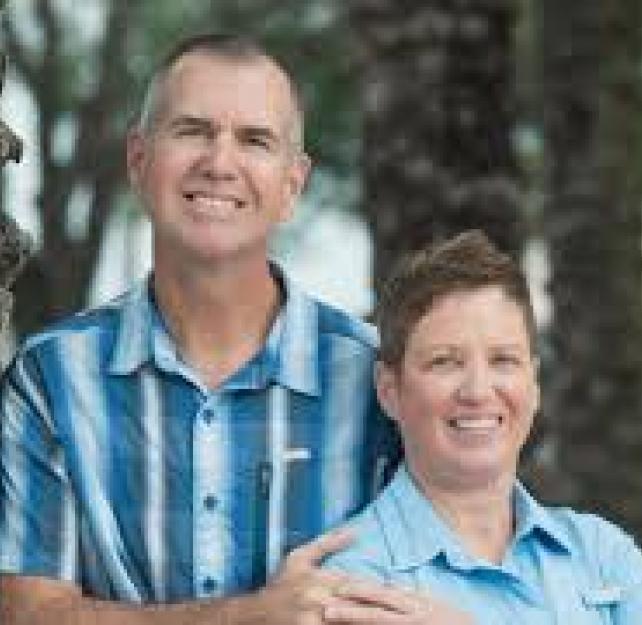
Being organized and having a routine makes each day smoother for Natalie Vines who has TBI and PTSD and for her caregiver husband and fellow vet, Brian Vines who also has PTSD.
Many non-profits have helped Brian Vines, a military veteran with PTSD and fulltime caregiver for his veteran wife with TBI and PTSD, over the last decade.
Natalie Vines—who sustained several TBIs in combat and who has PTSD—found great strength from attending a two-week immersive PTSD program through the Wounded Warrior Project.
People often say that Brian and Natalie's story of injury, caregiving, and retirement from the military is a tragedy. But for them, it's more of a love story.
During their time apart on deployments, Brian and Natalie Vines stayed connected via skype, social media, and hand-written letters, which helped their love endure and burgeon.
I keep hearing that I need cognitive behavioral therapy—talk therapy— to treat my symptoms of PTSD like hyper-arousal, depression, avoiding life, and being irritable all the time with my friends and family. Frankly, I don’t want to talk to someone for weeks and months. My wife keeps pressuring me, but the thought of therapy makes me feel weaker than I already am. Why do I feel this way? I’m not sure what to do. Dr. Klassen answers your questions about mental health treatment.
My husband is a vet with PTSD and will not stop playing video games … he stays up all hours of the night. Should I be worried? Dr. Klassen answers your questions about mental health treatment.
My wife was a medic in Afghanistan and is suffering from PTSD, including debilitating nightmares. She does not want to share her experiences with me. She needs therapy but had an unsuccessful experience with at the VA, and other therapists have long waiting lists. I’m not sure how much longer she can hold on. How can I help her? In this video, Dr. Klassen, an expert on mental health issues and treatment, shares a list of resources for mental health therapy and discusses the challenges of moral injury.
A family member or support person at home plays a key role as part of the treatment plan for a service member or veteran. An adjunct in their loved one’s care, the family member collaborates with the team of providers to help their loved one follow through with appointments, medications, and health regimens. They often serve as the more impartial eyes and ears to their loved one’s challenges and improvements.
Veteran Jonathan Warren was with his girlfriend for 10 years but when we left military service he wasn't the same man as before. He wanted to give her the love and treatment she deserved, but he needed to get himself help first.
Many people with a brain injury lose their social connections. In this video three people with TBI bring their experiences of social isolation, stigma, and difficulties with communication to this short comedy film.
Many people with a brain injury lose their social connections. In this video three people with TBI bring their experiences of social isolation, stigma, and difficulties with communication to this short comedy film.