Use the filters to browse the information we have available or to narrow your search results for a specific audience (e.g. caregivers, military, children), a preferred type of content (e.g. videos, blogs, articles), or by topics of interest (e.g. family concerns, legal issues, symptoms).
Most people who experience a trauma will not develop PTSD. But whether from a natural disaster, car crash, combat exposure, or sexual assault, those who develop PTSD tend to avoid dealing with the trauma’s “stuck memories” or feel unable to handle negative emotions and experiences.
PTSD develops from a traumatic “stuck memory” and all the consequences of that memory not getting processed, resolved, or grieved. But it can be effectively treated, not simply managed.
Wounded Warrior Project is mounting a campaign to call and offer support to approximately 40,000 veterans of the Afghanistan War amid recent developments.
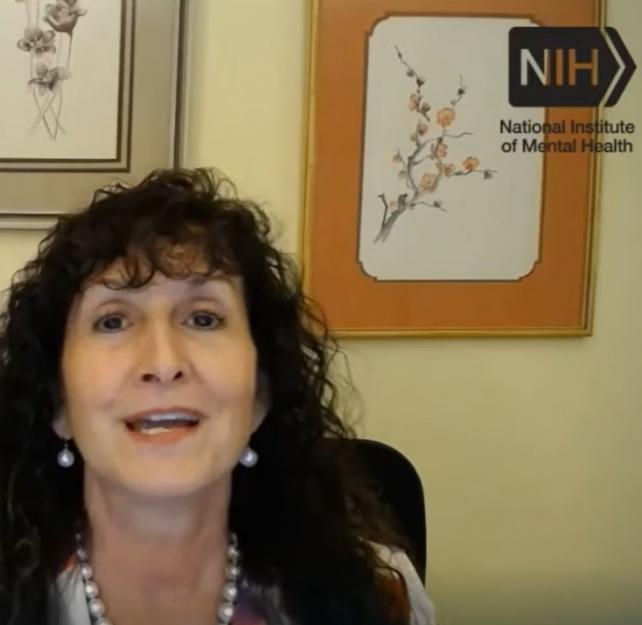
Barbara Rothbaum, Ph.D., ABPP, discusses PTSD signs, symptoms, and treatments, as well as the latest research on PTSD. She also discussed some of the challenges that the coronavirus (COVID-19) outbreak and pandemic has presented for individuals living with PTSD and other mental illnesses.
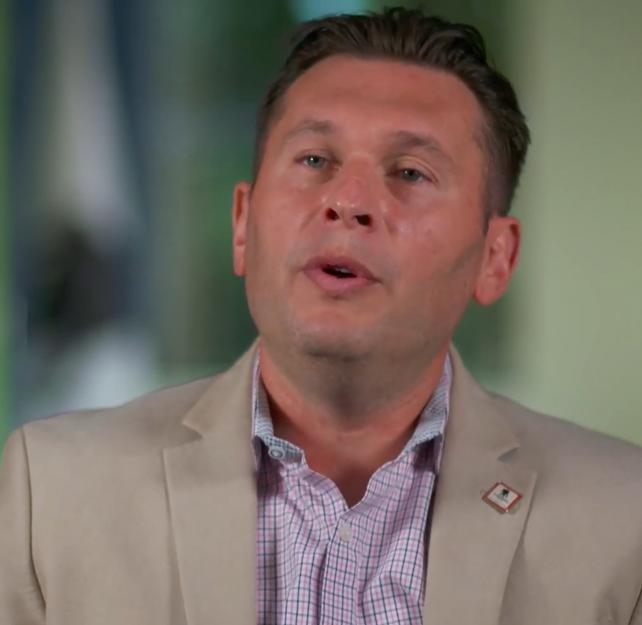
Dr. Balbir shares how the Wounded Warrior Project's Independence Program supports and provides additional wrap-around services for veterans after they transition home.
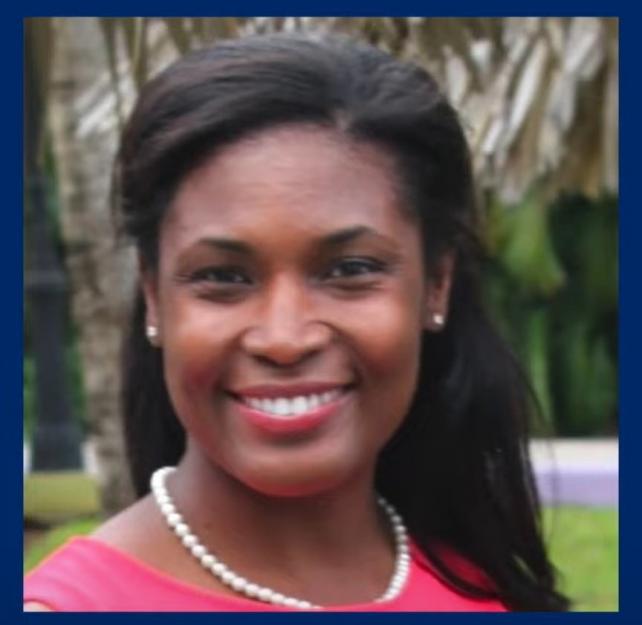
How can we process traumatic events like the COVID-19 pandemic? Johns Hopkins University School of Nursing Assistant Professor Tamar Rodney, PhD, MSN, RN explains.
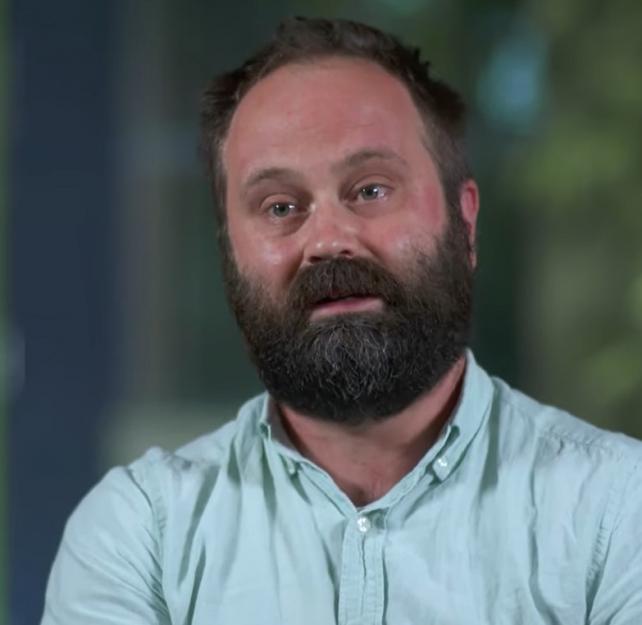
Connor Martin's brother, veteran and athlete Kevin Ash, returned from his deployments changed. He sought help and his mother fought for him, but they never found what he needed.
When he returned from his first deployment Connor Martin's brother Kevin Ash wasn't the same. Even though Connor was young he recognized Kevin's increasing anger and isolation.
Veteran naval officer Morgan Luttrell has always taken his responsibilities seriously. Responsibility for the men and women under his command. Responsibility to his country. Responsibility to his family. When he felt his brain injury might negatively impact that he took action.
Veteran Morgan Luttrell was part of a terrible helicoper crash that left him with a spinal cord injury and a TBI. He says, "The physical injuries are the easy part...it was the neck up [that was problematic]."
Those in the military go through so much and that can lead to issues once they leave the service. They can get help for themselves by seeking out treatments, but they can also help others going through the same thing.
Veteran Jonathan Warren talks about his experience with the Inifinite Hero Foundation and the growing collaboration in the non-profit and medical fields.
Veteran Jonathan Warren was with his girlfriend for 10 years but when we left military service he wasn't the same man as before. He wanted to give her the love and treatment she deserved, but he needed to get himself help first.
Veteran Jonathan Warren was very skeptical of transcranial magnetic stimulation session, but as his sessions continued his improved sleep continued and his heavy use of alcohol and marijuana reduced.
Veteran Jonathan Warren got five CT scans and five MRIs over the course of his military career and each time they found nothing to explain his changed behavior. Then he got an EEG and everything changed.
Veteran Jonathan Warren felt able to cope with the physical symptoms of his brain injury but he thought the emotional issues were caused by his PTSD. He soon realized that a brain injury can lead to those intangible issues as well.
Veteran Jonathan Warren came back from service convinced he was fine -- until things started to change. Even though tests told him nothing was physically wrong, he new something wasn't right. So he took action. He dove in to finding treatments that might help -- and he started seeing results.
Dr. James Kelly knows that many of those in the millitary receive "invisible wounds" while in service and those can go unnoticed. The Marcus Institute evaluates to see if a person for those wounds and then provides comprehensive care for the physical, emotional, and cognitive changes that can accompany trauma to the head using a combination of traditional and complementary treatments.