Use the filters to browse the information we have available or to narrow your search results for a specific audience (e.g. caregivers, military, children), a preferred type of content (e.g. videos, blogs, articles), or by topics of interest (e.g. family concerns, legal issues, symptoms).
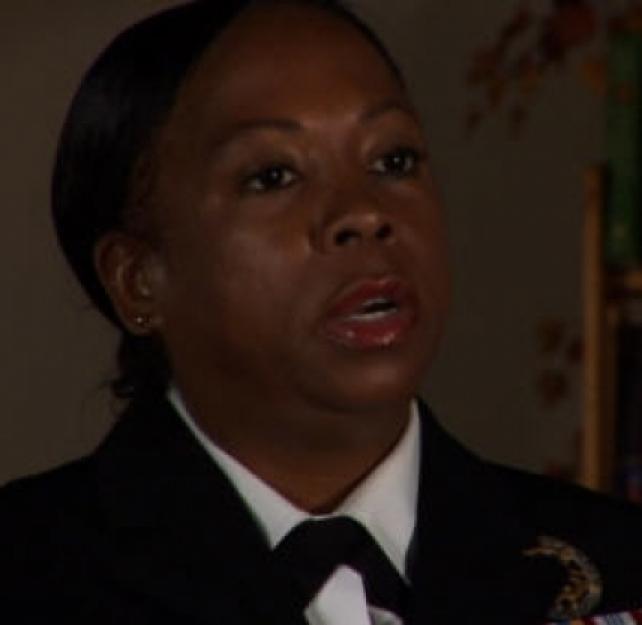
Retired Navy Commander Bernadette Semple had always been an intelligent and highly motivated person. She applied those qualities to the rehabilitation of her brain and her back.
Bernadette Semple was on her way to a mission when someone on her flight hit her hard on the temple. It wasn't until months later that she realized the extent of her symptoms.
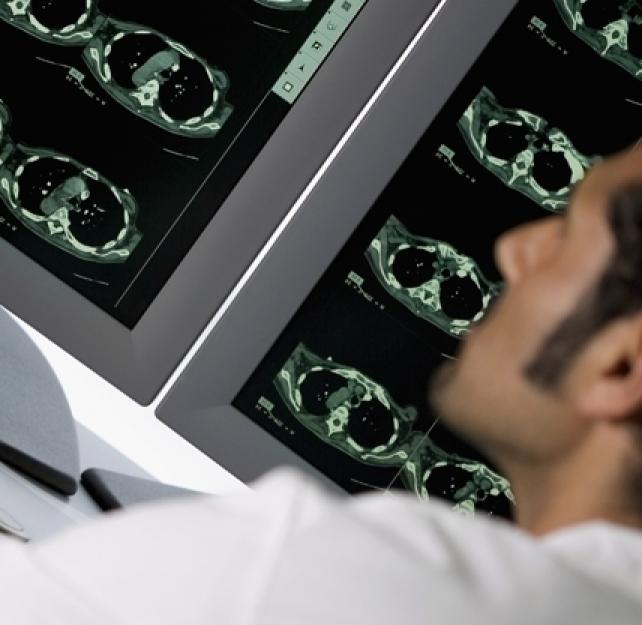
The NICoE has $10 million worth of neuroimaging equipment for evaluating TBI and psychological health issues, most importantly, the MRI, the PET scan, and the MEG.
Neuroimaging the brain with a MEG can show, in real time, how damage to the brain can interrupt, slow, or stop communication from one part of the brain to other parts.
Many experts collaborated on the plan for the National Intrepid Center of Excellence with the goal of creating an objective measure to better characterize brain injury, and then treat it.
Ironically, people with TBI and their families are relieved when neuroimaging shows a problem. Those images can give answers that can lead to more individually tailored treatment.
Healthcare providers can help vets with TBI and combat stress find other ways than pharmaceuticals to help in recovery — from riding horses to kayaking with other vets.
Dr. Shane McNamee talks about helping each veteran transform from a patient with complex injuries back to an individual with many roles — Marine, father, husband, son, athlete, artist ...
As a young Cub Scout, the "Broken Arrow Boy" fell and an arrow in his hand punctured his brain. More than 50 surgeries later, Adam Moore lives a spiritual and artistic life.
How could going to Walmart ever feel "normal" after combat-induced stress? Dr. Shane McNamee of the VA talks about the physical and psychological effects of blast injuries.
Combat exposure can damage the brain physically and psychologically. Working to find the causes of these injuries will help with the nuances of treatment.
Traumatic — and joyful — experiences change who we are. We cannot "fix" soldiers coming home with combat stress, rather help them move on and become new versions of themselves.
The VA — along with the DoD — works with veterans and some active duty service members and their families to help them rebuild their lives after TBI and other polytrauma injuries.
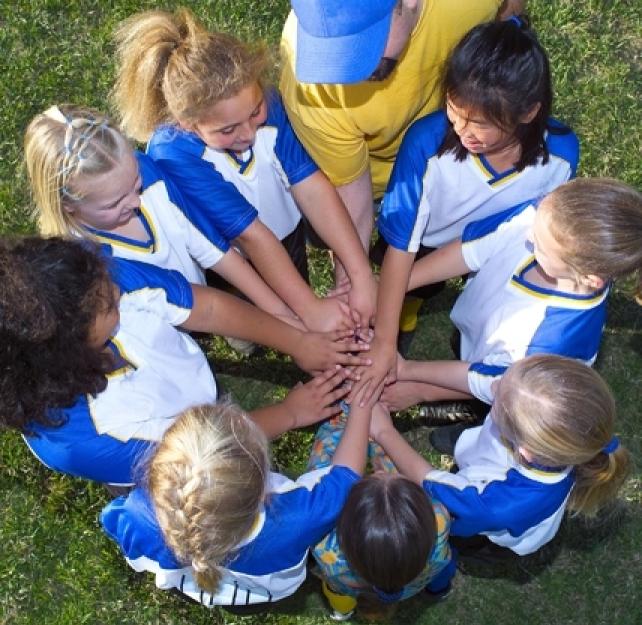
Tell young athletes to keep an eye on their teammates. If a player seems impaired from a head to the head, they need to speak up to get that teammate safely off the field.
Service members, veterans, their families, and professionals can find programs to help with brain injury and psychological health at Military OneSource and the Rand Corporation.
Researchers talked to more than 600 people in the military who might know anything about TBI and psychological health to learn more about available programs.
The main recommendations from RAND report on TBI and psych health included centralizing information, addressing gaps, and studying ways in which programs can find people with early symptoms.