Use the filters to browse the information we have available or to narrow your search results for a specific audience (e.g. caregivers, military, children), a preferred type of content (e.g. videos, blogs, articles), or by topics of interest (e.g. family concerns, legal issues, symptoms).
Getting an effective blood biomarker test for TBI from bench to bedside with FDA-approval along the way is no small feat. Dr. Ronald Hayes talks about two proteins for which researchers have high hopes.
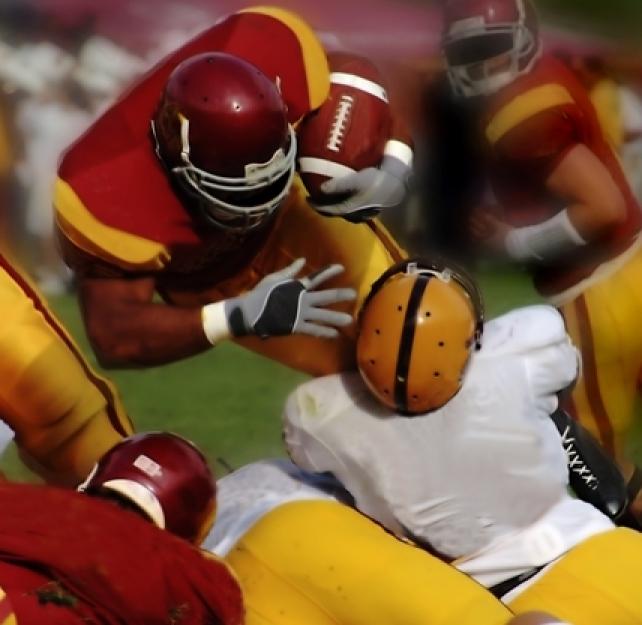
Researchers like Dr. Lee Goldstein are studying the effects of repetitive brain injury whether sustained over a season on the football field or in milliseconds from one combat blast.
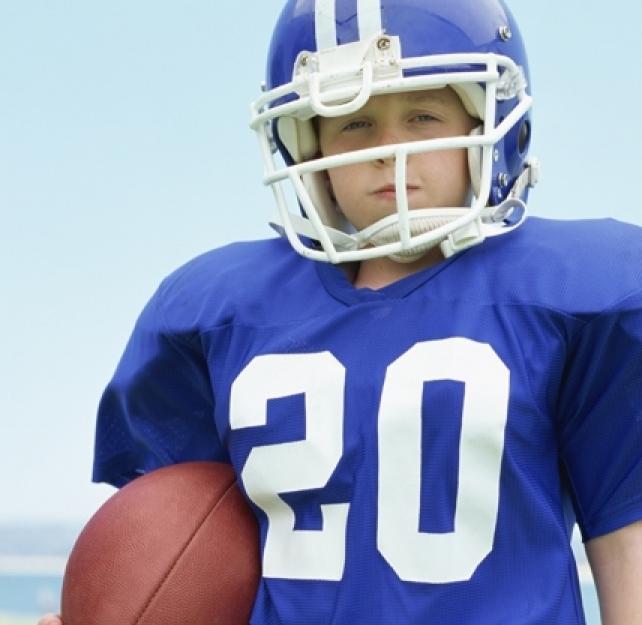
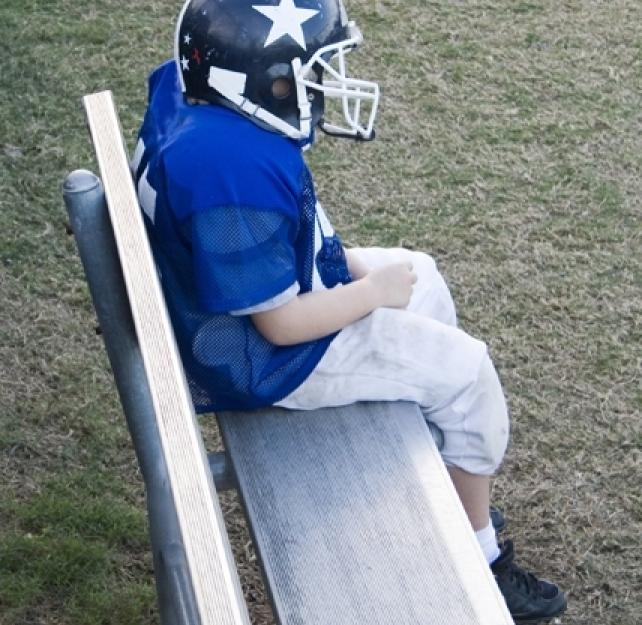
The benefit of sports for kids far outweigh the risks, especially if athletes, coaches, and parents realize sports are for fun and health, they are not a career.
Until recently, retired NFL player George Visger said he'd never trade his football career with its friendships and experiences for anything. But now he tells a different story.
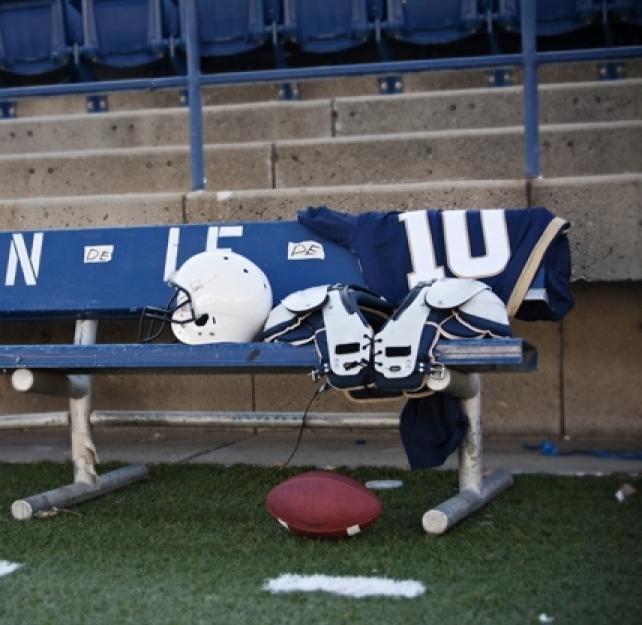
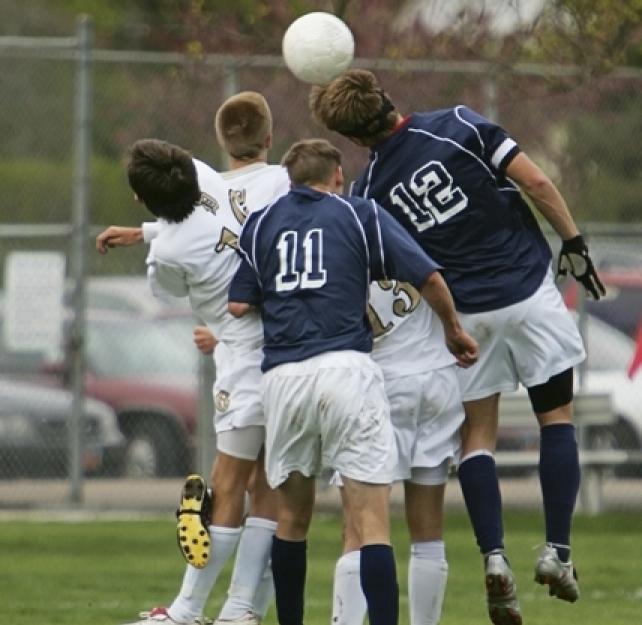
Concussion is not just a football injury. Athletes, parents, coaches, and teams need to address the issues of concussion in all sports and with all ages and both genders.
The NFL and the military are currenty testing how better to detect and understand concussions through various mechanisms like sensors in helmets, mouthpieces, and earpieces.
After 9.11 with the service members returning home with TBI and PTSD plus concussed athletes at all levels making the news, awareness of TBI started to bubble more rapidly.
Not every team has a medical expert or athletic trainer on the sidelines to test players after a suspected concussion. But there are simple guidelines and resources to help.
NFL Head, Neck, and Spine Committee Co-Chair Dr. Richard Ellenbogen talks about the lack of a definitive tool to diagnose brain injury, but what techniques we do have to keep athletes safe.
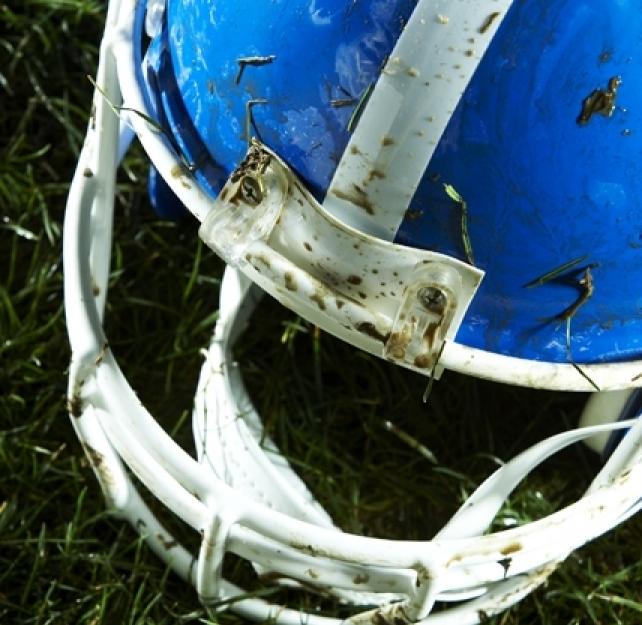
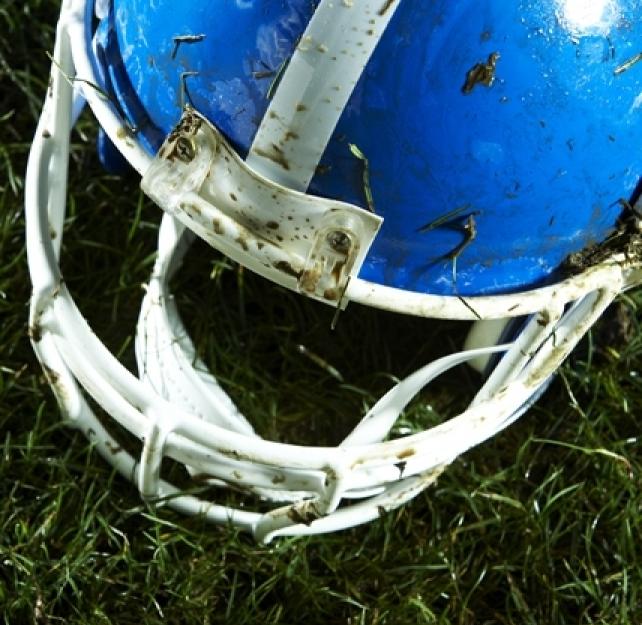
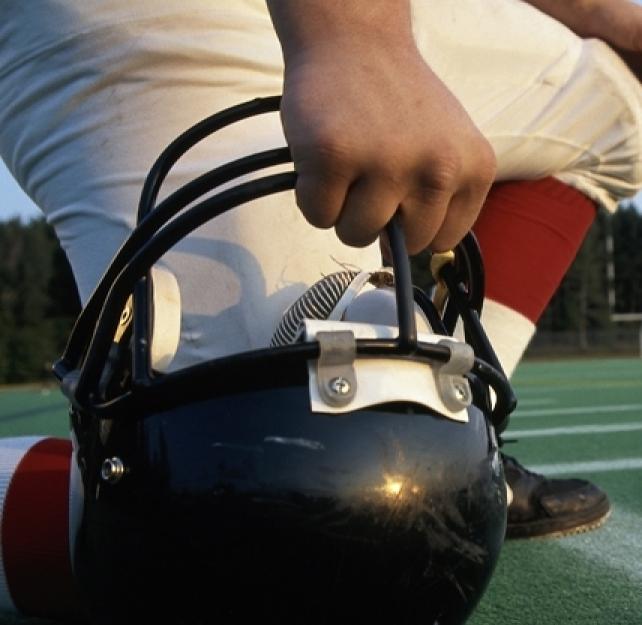
From bike to football helmets, parents should check their children's sports equipment each year to make sure it fits properly and meets current safety standards.
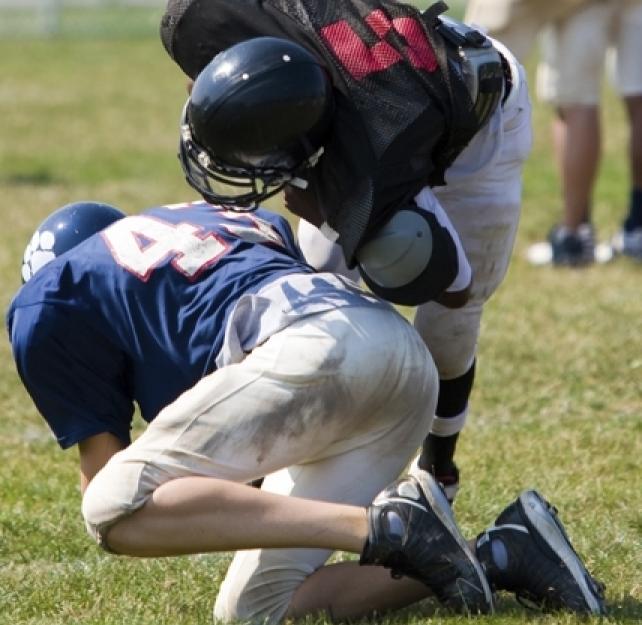
Tell young athletes to keep an eye on their teammates. If a player seems impaired from a head to the head, they need to speak up to get that teammate safely off the field.
Research shows that TBI in children is far worse than in adults — with longer recovery time and greater future risk. New rules and awareness are helping but there's more work to be done.
Chris Nowinski learned the hard way that the number of hits to the head is not the same as the number of concussions. His mission is now to share what he has learned about sports and brain trauma.
Chris Nowinski and his colleagues are studying the donated brains of deceased athletes and service members to learn more about the effects of repetitive brain trauma.