Use the filters to browse the information we have available or to narrow your search results for a specific audience (e.g. caregivers, military, children), a preferred type of content (e.g. videos, blogs, articles), or by topics of interest (e.g. family concerns, legal issues, symptoms).
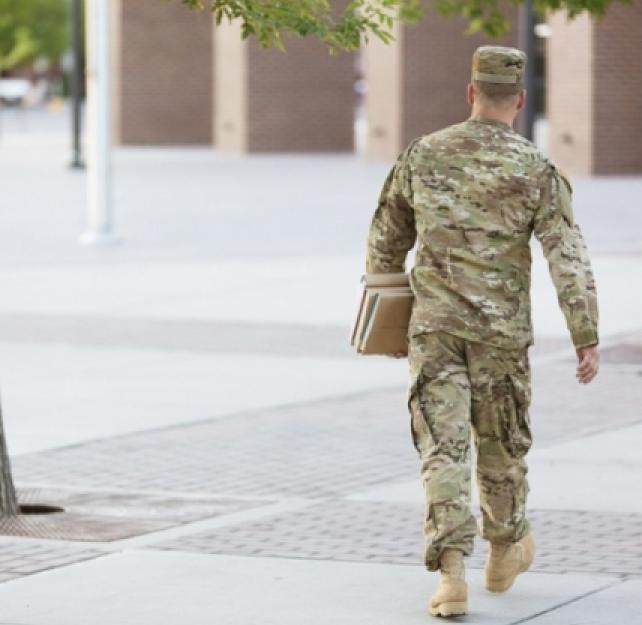
We talk a lot about the challenges that military families face but we also need to talk about the tremendous strength that they bring to those challenges.
Family life after brain injury? It’s complicated. People walk out of your life without explanation, without just cause, leaving you to wonder what the heck happened.
I feel like I have mastered the face-to-face challenges I used to confront when asked about my health. But it’s my written work that still often causes me angst. Like a human-sized pendulum, I swing back and forth about how much I should share. How transparent is too transparent?
Gretchen Rubin, once wrote, “The days are long, but the years are short.” She was writing about parenting and not traumatic brain injury, but as I reflect on this poignant quote, I realize that as a caregiver, even those seemingly endless days have passed with such speed that I can hardly account for the last three years of my life.
Looking back with the benefit of hindsight, I now see that my family was not fractured. It was slowly being rebuilt as a new kind of family — a survivor family.
Today I live an unfiltered life as my brain injury has essentially wiped away my emotional and verbal filters. No longer does anyone say, “So David, can you tell me how you really feel? These days, I am learning, often the hard way, to say less. ne times.
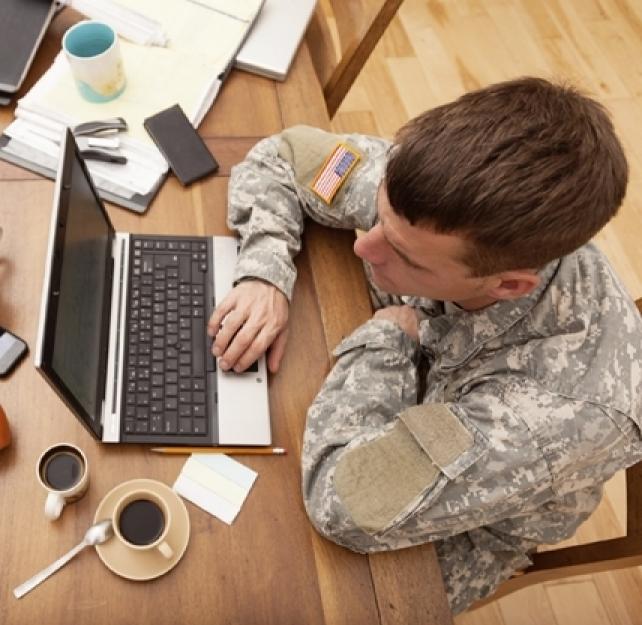
Several hundred thousand service members have sustained TBI since 9/11. For most of these vets, the long-term challenge is dealing with profound changes in social skills and the ongoing demands of daily life.
How one airborne soldier came back from a TBI that he sustained from a mortar blast in Iraq. From a physical standpoint, his recovery has been a miracle but the social and emotional challenges were more challenging.
Dr. David Williamson, former director of the Inpatient TBI Program at Walter Reed, talks about the biggest challenge facing veterans with TBI: resuming your life as a parent, partner, spouse, friend, and citizen.
"Forged between the hammer and anvil of pain, I slowly learned that pacing myself and really being in tune with my new-found limitations could be a game-changer." David Grant reflects on his life after his TBI.
Every now and again, someone will ask me how I’m sleeping these days. My reply has remained unchanged for several years. “I’ve not slept a full night since 2010.” — David Grant
"When a loved one is radically changed after a brain injury, seldom do we focus on the positives that might have sprung from the aftermath of a traumatic injury," writes BrainLine blogger, Rosemary Rawlins.
Brainline blogger David Grant understands the "rogue waves" of emotion that come with a TBI. "Like their aquatic counterparts, they originate out of nowhere, offer a bit of emotional catastrophic damage, then recede, sometimes as quickly as they came."
"TC’s brain injury was avoidable, but so are the years and years we could potentially spend dwelling on its source," writes BrainLine blogger, Abby Maslin.
"I usually know when I’m supposed to be somewhere, but the ‘now’ is ever changing." Blogger Mike Strand discusses his struggles with his TBI and memory.
Joining a group — any group you connect with — can help stave off depression for a person with TBI and his or her family caregivers, says BrainLine blogger Rosemary Rawlins.
"Eighteen years and some spare change later, what I realize is that age is a wise old friend with deep pockets…." writes the wise and funny blogger Kara Swanson.