Use the filters to browse the information we have available or to narrow your search results for a specific audience (e.g. caregivers, military, children), a preferred type of content (e.g. videos, blogs, articles), or by topics of interest (e.g. family concerns, legal issues, symptoms).
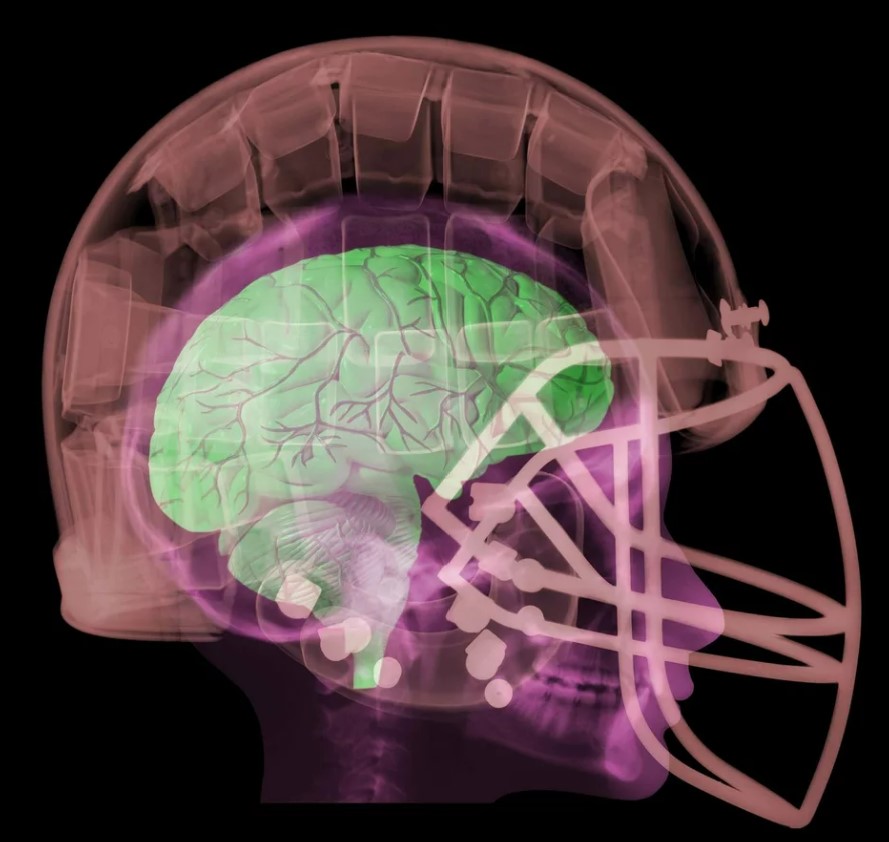
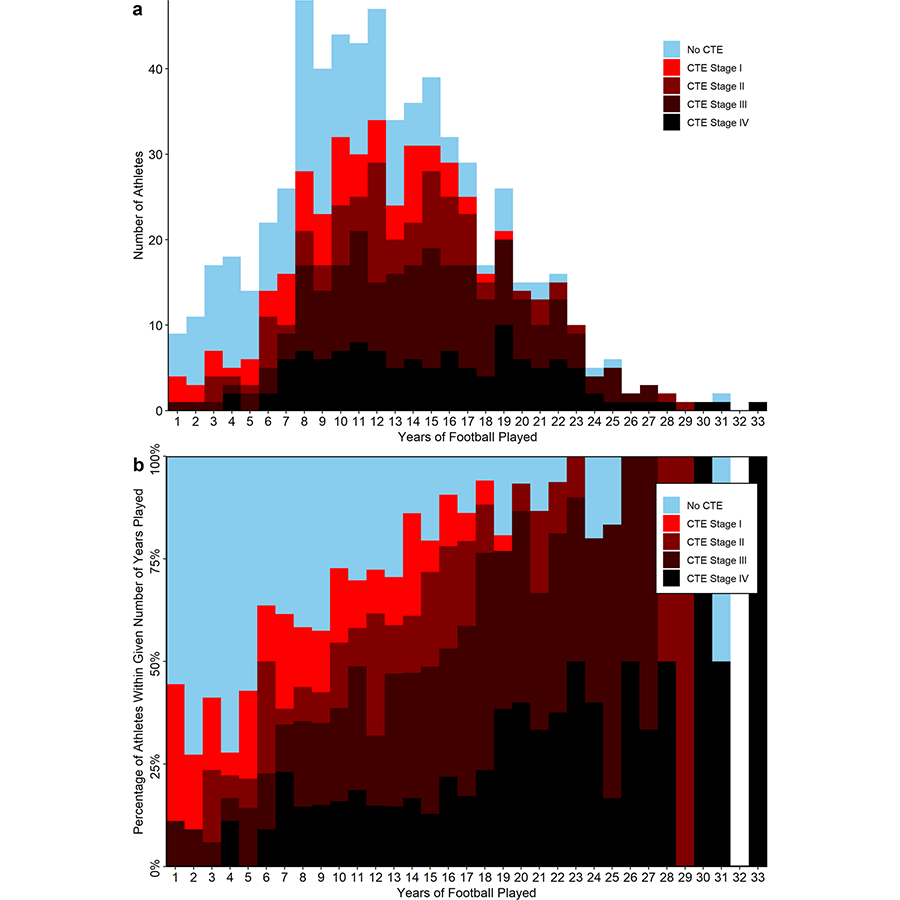
In this case series of 152 contact sport athletes younger than 30 years at the time of death, chronic traumatic encephalopathy (CTE) was found in 63 (41.4%), with nearly all having mild CTE (stages I and II).
Triggers are weird. A seemingly innocuous thing happens or there is a tiny deviation from routine and you or your loved one loses it. From the outside, it seems like a total overreaction but for the person who has been triggered, it is a fight-or-flight response.
My life will forever be marked by that day in November of 2010 when I sustained a brain injury after being hit by a car while riding my bicycle. It was a true "before and after" scenario. However, an unexpected consequence followed: my decades-long depression disappeared. I was as stunned as anyone …
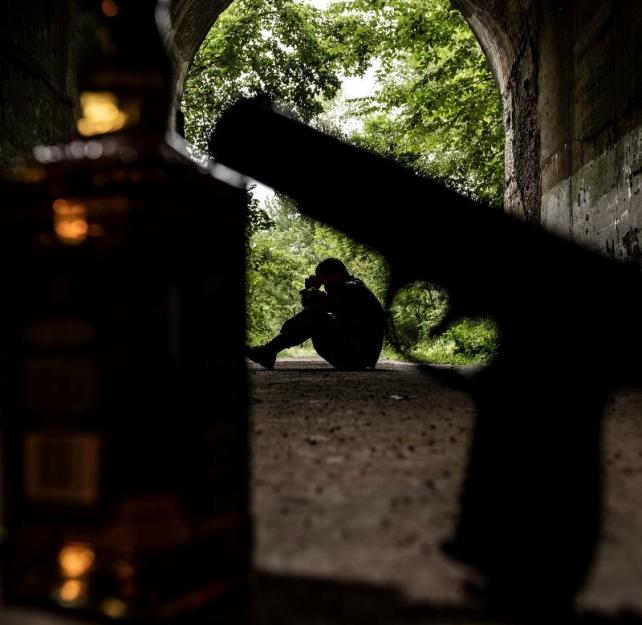
Bryan, who deployed to Iraq in 2009 as a psychologist in the Air Force started to view active-duty suicide as “death by a thousand paper cuts,” he says.
A perfect example would be the day — about a year after my injury — when I decided to go out for a bike ride … in a snowstorm. My plan made perfect sense to me...
The term “disorder of consciousness” (DoC) describes a group of conditions that involve difficulty with awareness that includes coma, unresponsive wakefulness syndrome/vegetative state, and minimal conscious state.
I feel ready to move through whatever comes next. After all, I really only need to worry about making today a well-lived day. Tomorrow is none of my business.
I need to be more open about who I am. All of me. I cannot be afraid. I won’t hide anymore. Now, I will be my true self. And I’m ready to stand with anyone else who feels the same.
Chronic traumatic encephalopathy (CTE) is a neurodegenerative tauopathy associated with repetitive head impacts. These findings implicate cumulative head impact intensity in CTE pathogenesis.
The COVID-19 pandemic shined a light on the deep need that people feel for human touch and connection in hospital settings. Having relatives peering through windows at their loved ones or unable to enter hospitals altogether exacerbated the lack of human intimacy that is all too common in health care settings.
Over the last couple of years, I’ve discovered mindfulness and have learned the value of living life “in the moment.” It’s a learned skill that has enabled me to find peace in my life. In what amounts to almost an irony, I no longer have much of my past to recall. The future never really comes. By circumstance, rather than any virtue, I am now forced to live in the moment.
Social isolation and loneliness are increasingly becoming societal problems, as they contribute to polarization and affect our physical health. Mental health professionals, community advocates and health-care providers have been raising the alarm about this impending crisis.
This month has been a whirlwind of pain, triggers, and generally not great behavior from both Russ and myself. Our eldest daughter, Elizabeth Shade-Ware, died unexpectedly in her sleep. Suffice it to say, I am a wreck...
Living with a brain injury is, by far, the most complicated thing I have ever done. There have been great joys, stunning victories, and, somehow against all odds, I’ve carved out this amazing life. Sometimes, I just need to remind myself that just because I think something, doesn’t mean that it’s true.
Sometimes it feels like I am a single parent. That breaks my heart to say because my husband really is a fantastic parent as long as he’s not triggered or having a chronic pain flare-up.
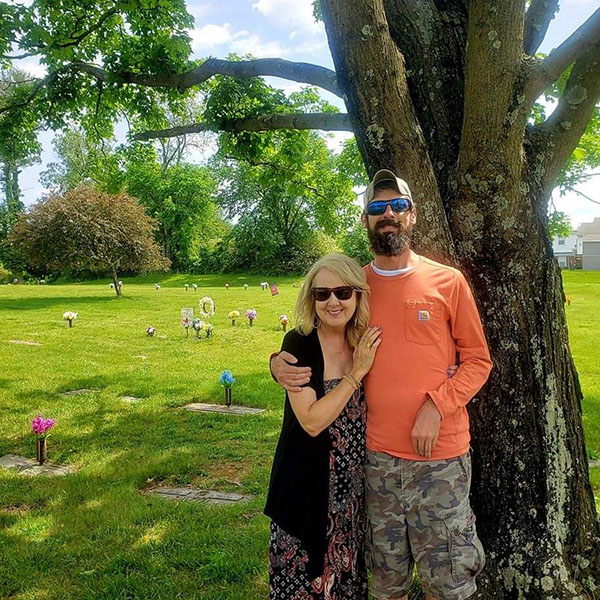
It was not until the family attended an event through the Wounded Warrior Project that Caregiver and Mother Pam Estes learned about and understood the depths of secondary PTSD. Even 17 years after her son, Army Veteran Jason Ehrhart, sustained a TBI, she and other members of the family still "have their moments."
Caregiver and Mother Pam Estes talks about how staying involved in veteran-oriented community events has helped her son and the whole family feel supported.
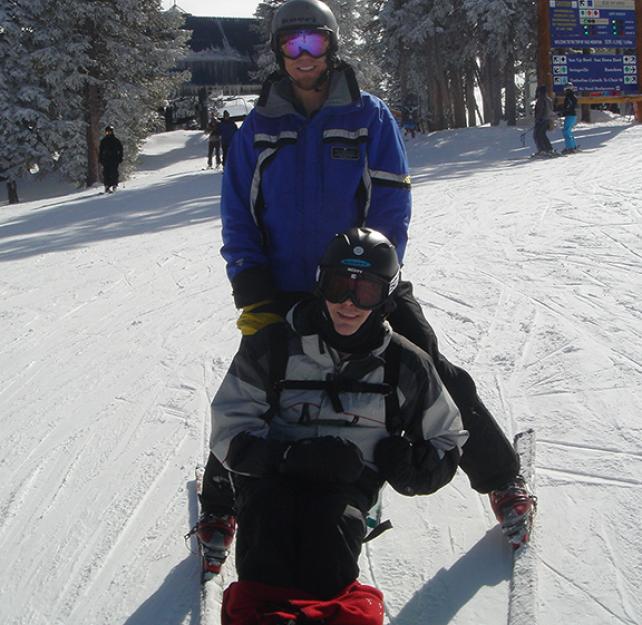
U.S. Army Veteran Jason Ehrhart and his Caregiver and mother, Pam Estes, share how adaptive sports like sit-skiing help heal traumatic brain injury (TBI).
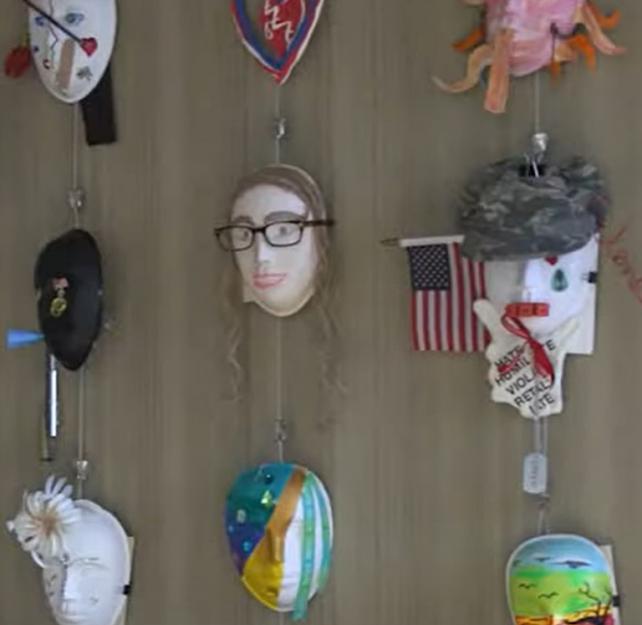
Showing the fronts and backs of masks made by veterans with PTSD and TBI, Art Therapist Stephanie Clark talks about how through the process of making, a veteran can process and better understand their traumas.
Last month, I found out that I qualified for a Cornell University research study about brain injury.... I ruefully admit that I was nervous going into the testing. What brokenness in me would they find? I do pretty well these days, well enough that most people might not notice my challenges. But I still have an ego and can be more sensitive that I care to admit.
Army Veteran Tom Voss says that when he took his first meditation workshop, he recognized that it could be helpful for other veterans like him struggling with PTSD and moral injury. He started to host classes and workshops and as he did, he says his own capacity to heal and help others heal expanded.