Use the filters to browse the information we have available or to narrow your search results for a specific audience (e.g. caregivers, military, children), a preferred type of content (e.g. videos, blogs, articles), or by topics of interest (e.g. family concerns, legal issues, symptoms).
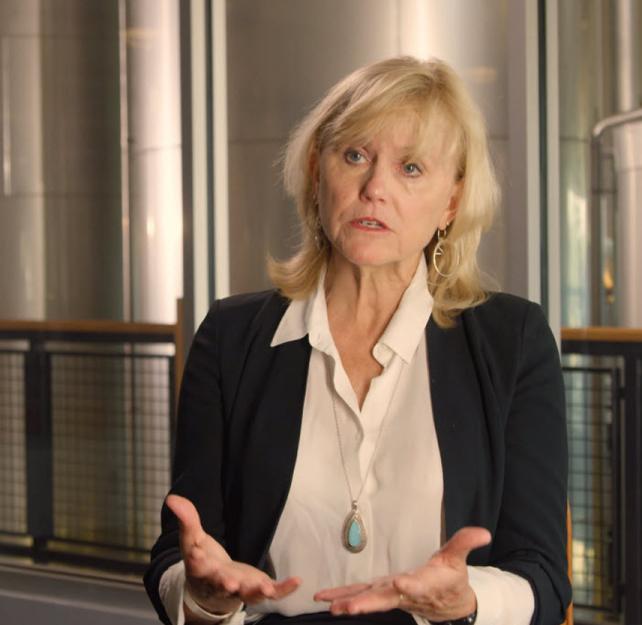
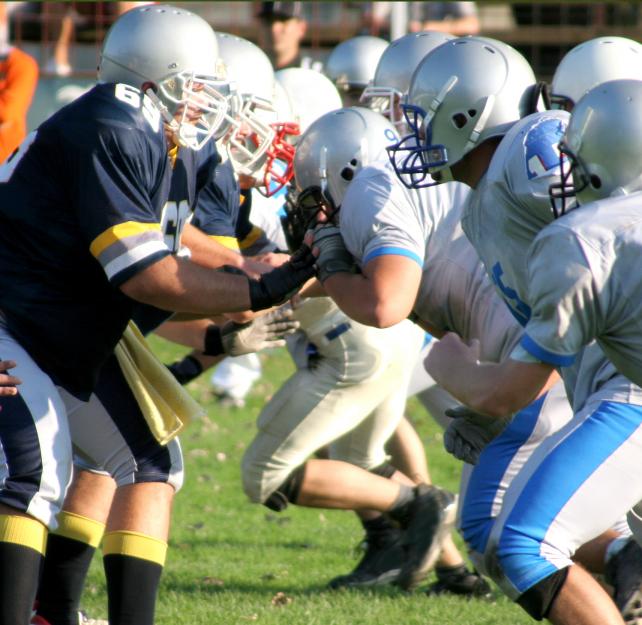
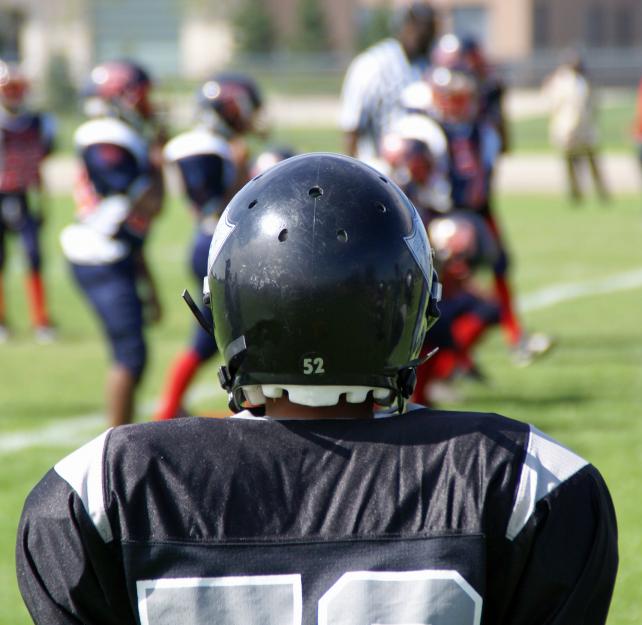
You don’t see it. There’s no blood, no pain. Even though players may not be immediately affected, we’re learning that those thousands of hits provoke neurogenerative disease. Dr. Ann McKee explains.
Dr. Ann McKee grew up a football fan and never considered the repetitive hits sustained by football players would lead to brain abnormalities identical to what she found in the brain of boxers.
Punch drunk, dementia pugilistica, post-traumatic encephalopathy, or chronic traumatic encephalopathy — same criteria of diagnosis, the same patterns of change seen in the brain. Dr. Ann McKee explains.
Genes, sleep, an active mind, and when a person starts playing football may all play a factor in the development of CTE. Dr. Ann McKee explains what researchers have learned, and what's on the horizon.
Dr. Ann McKee wants to raise awareness about brain donation. The more brains that researchers have to study, the more information they can gather to help people in the future.
Dr. Ann McKee says that "blast injury is not a 'pure' injury" because it generally involves a further impact injury, such as hitting your head on the wall of a Humvee.
Dr. Ann McKee knows that physical exercise is healthy for the mind and the body, but it's important to do it safely to minimize the chances of brain injury.
The brain's healing is limited. Each person has a limited number of neurons and Dr. Ann McKee talks about what it means when you lose them to a brain injury.
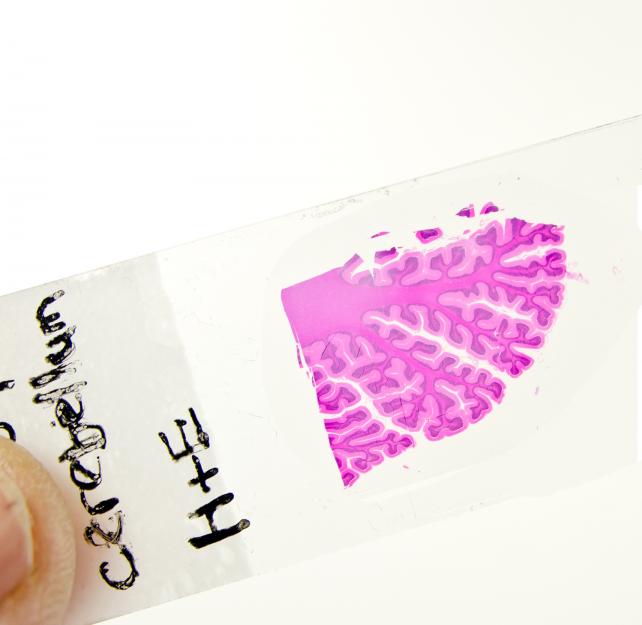
Dr. Ann McKee is a nerve pathologist who has spent decades learning about the brains of individuals who died from Parkinson's, Alzheimer's, and CTE. She talks about what is involved in her study.
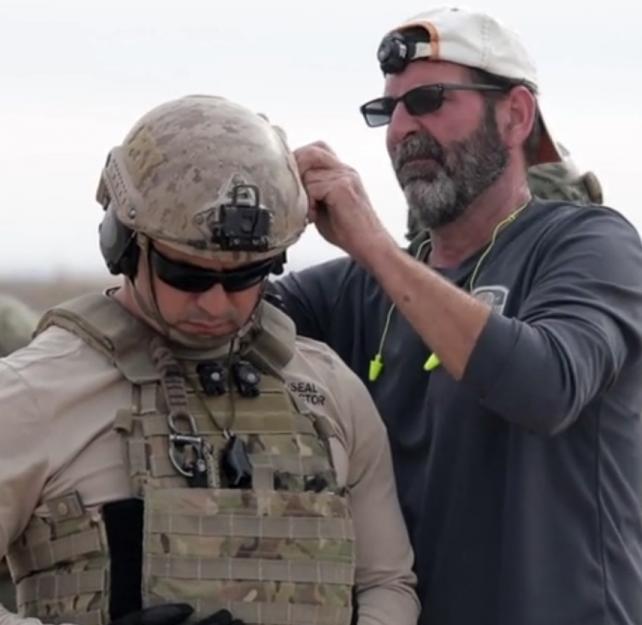
Navy SEALs are working together with Neurotactical Research Team to better understand brain health while experiencing regular blast exposure, either through training or combat.
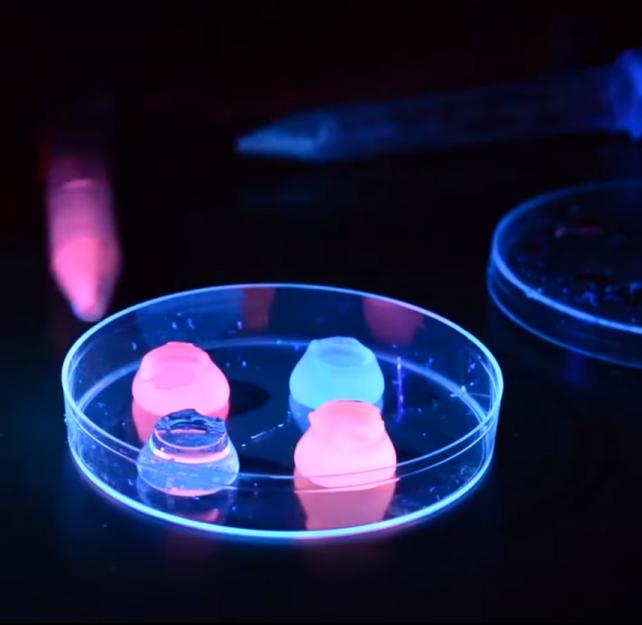
Scientists at the U.S. Army Research Laboratory are studying the physiological effects of blast pressure on the brain in order to discover technology solutions to protect Soldiers.
USA Today's Just the FAQs explains Chronic Traumatic Encephalopathy, a neurodegenerative brain disease found in people who have experienced repetitive hits to the head.
Many primary care physicians don't believe they are the right person to provide care for a person with a brain injury. Dr. David Arciniegas explains why this is not true.
People with brain injury may have other health problems and memory problems affect their ability to manage their health. Two experts share strategies for managing these scenarios.
In addition to the strategies that people can use to help improve memory function after brain injury, there are some medical treatments that may be able to help as well.