Use the filters to browse the information we have available or to narrow your search results for a specific audience (e.g. caregivers, military, children), a preferred type of content (e.g. videos, blogs, articles), or by topics of interest (e.g. family concerns, legal issues, symptoms).
"The best time to get treatment for PTSD is now," says Lt. Col. Philip Holcombe, PhD. Now can mean soon after the trauma or now can mean 10 years later when symptoms have a delayed onset.
Lt. Col. Philip Holcombe, PhD talks about how using evidence-based guidelines, healthcare providers can work with patients to take small steps as a way to feel safe and in control of their own progress.
Lt. Col. Philip Holcombe, PhD talks about how injury to different parts of the brain like the amygdala or the frontal lobe can affect behavior and how best to approach treatment.
Service members and veterans often don't want to admit they have symptoms of PTSD, or maybe they are not aware that they do. Lt. Col. Philip Holcombe, PhD talks about how healthcare providers can ask the right questions to help.
The 1944 GI Bill transformed not only the lives of veterans but the fabric of our nation. Today’s Post-9/11 GI Bill continues that legacy with some changes.
Helping someone with a brain injury navigate life on a college campus after being in the military can be a tall order. Army veteran Timm Lovitt is the man for the job.
Adaptive sports like kayaking are great therapy for the injured brain ... and injured spirit. Hear from a few veterans who found hope, friendship, and renewed confidence from being out on the water.
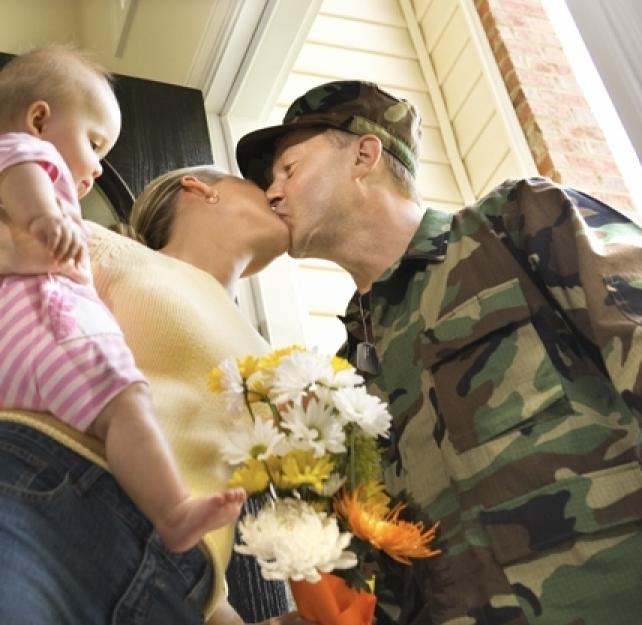
The happy anticipation of a service member returning from combat deployment often is mixed with a dose of anxiety. Families might be ecstatic, nervous, scared, or confused, or all of the above at once.
"I just wanted to turn off the 600 TV sets that were going on all the time in my head." Hear Maj. Jeff Hall's story that went from thoughts of suicide to finding his way back to his family and life.
Often people talk about the effects of TBI or the consequences of PTSD as separate conditions — which they are. But for the person who is living with the dual diagnosis of TBI and PTSD, it can be hard to separate them.
Using animal models in the lab to study the mechanisms of blast-related brain injury, researchers like Dr. Lee Goldstein are feeling optimistic that their findings will lead to viable treatments.
Dr. Paul Aravich talks about PTSD and other serious mental disorders as types of brain injuries, which can come with an increased risk for dementia later in life.