Use the filters to browse the information we have available or to narrow your search results for a specific audience (e.g. caregivers, military, children), a preferred type of content (e.g. videos, blogs, articles), or by topics of interest (e.g. family concerns, legal issues, symptoms).
Recently, Wounded Warrior Project funded a study with the Rand Corporation on the need to treat substance use disorder along with treating traumatic brain injury (TBI) and/or post-traumatic stress disorder (PTSD). The often co-occurring conditions must be treated simultaneously to be as effective as possible.
Using data from ongoing research studies on the efficacy of treatments and interventions for PTSD, chronic pain, depression, TBI, and substance abuse is crucial when helping current and future patients. Most importantly, data shows that PTSD is highly treatable.
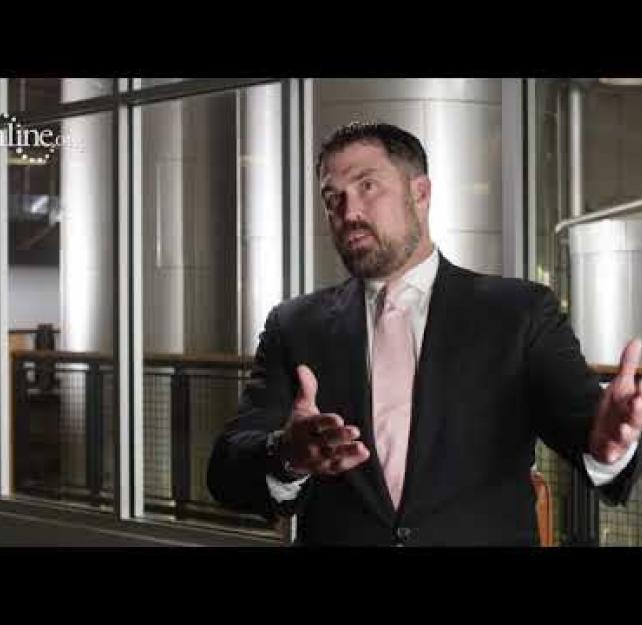
Transitioning from military to civilian life can be jarring and can sometimes lead to suicide, but veteran Morgan Luttrell says to stick it out. Take the reins, find the help you need, and commit to it.
Veteran Jonathan Warren was very skeptical of transcranial magnetic stimulation session, but as his sessions continued his improved sleep continued and his heavy use of alcohol and marijuana reduced.
Ken Falke spent years taking "diver's candy," but after his own injuries were helped by chiropractic care, he became a supporter of alternative medicine. Boulder Crest provides that kind of care to veterans with PTSD.
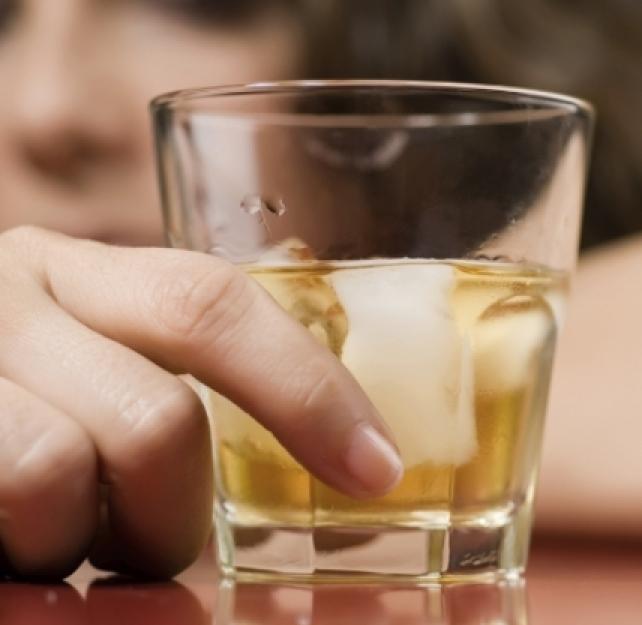
Glenn Parkinson, MSW talks about how alcohol and drug use after a TBI can significantly impact a person's sexual function, his or her feelings about sex and intimacy, and the ability to connect and build a relationship.
Cognitive and mental issues arising from combat exposure can also contribute to drug abuse. With so many contributing factors, the rate of substance abuse is high in returning service members who have had a concussion.
For service members with mild TBI and substance abuse issues, their job is to get better. Their command works with them to get them better and back to their units.
The military is offering stronger services for service members and vets who have TBI and substance abuse issues, such as the availability of regional care coordinators for Guard and Reserve.
From prescribing only small amounts of medications to preventing "doctor shopping," the medical team — and the patient — must collaborate to make pain management effective.
Until she finally realized what her life was truly missing after two TBIs and substance abuse, Jan Brown was able to get the help she needed for recovery.