Use the filters to browse the information we have available or to narrow your search results for a specific audience (e.g. caregivers, military, children), a preferred type of content (e.g. videos, blogs, articles), or by topics of interest (e.g. family concerns, legal issues, symptoms).
Sometimes people with mild TBI experience disinhibition — a difficulty filtering what they say. Practicing strategies in the clinic first helps patients and therapists see what works and what doesn't.
Hypervigilance is a crucial skill to have while in combat, but once in the civilian world, it is hard to turn off. Occupational therapist Kristen Maisano talks about how to create step-by-step goals to do just that.
"With any kind of trauma — physical or psychological — there comes a sense of betrayal, and with that grief. Regaining a sense of personal control is critical."
Lt. Col Jeffrey Yarvis, PhD discusses strategies to help families recognize what triggers anger from TBI and/or PTSD and what strategies to use to minimize it.
Wtih any topic that is uncomfortable for people to experience or talk about — like sexual issues post-TBI — simply addressing it, normalizing it, then moving on is the best strategy.
Sometimes making a comment like "after TBI, a lot of people have changes in their sexuality" instead of asking a question that puts a patient on the spot is more effective. From there, you can gauge when and how to address issues of sexual health.
Citizen soldiers have one boot in two worlds ... the civlian and military cultures being very different. Healthcare providers need to educate themselves on the many ways Guard and Reservists, especially after a TBI, may see themselves.
Everyone — patient, doctor, therapist — comes with his or her own cultural, religious, and familial background when it comes to comfort levels when talking about sex and intimacy.
Glenn Parkinson, MSW says she often hears from people with TBI that there have been so many losses that sex is often the only thing they have left that is pleasurable. It's important to help people find healthy ways to be intimate and sexual.
Glenn Parkinson, MSW talks about how people can't numb out some of the hallmark feelings of PTSD like fear, anger, and vulnerability without also numbing out love, tenderness, and curiosity about another person.
People with brain injury often experience hypersexuality, an increase in sex drive and/or disinhibition. Glenn Parkinson, MSW talks about why it's important to help patients with hypersexuality retrain or redirect their behaviors.
For people with PTSD, the fight or flight response can be an effective way to avoid unwanted feelings. But avoidance is not a long-term strategy for a happy life.
In the military, service members are taught: "Say later, stay alive!" But once home, says Lt. Col. Philip Holcombe, PhD, that feeling of being on high alert is hard to turn off.
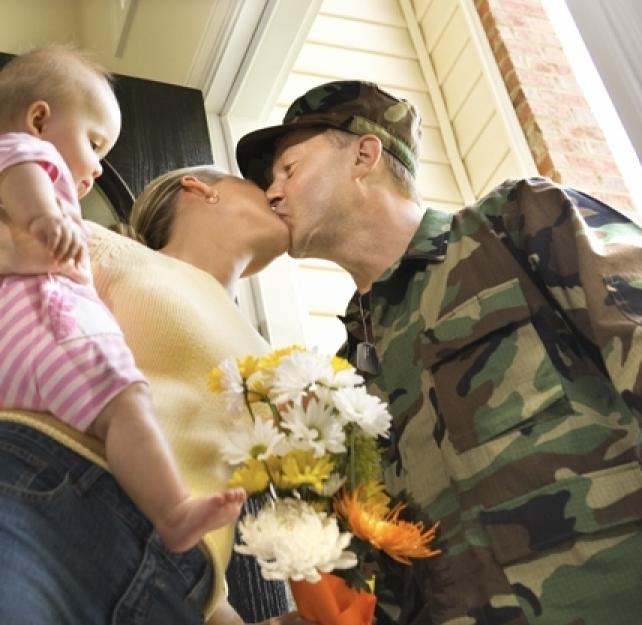
The happy anticipation of a service member returning from combat deployment often is mixed with a dose of anxiety. Families might be ecstatic, nervous, scared, or confused, or all of the above at once.
Often people talk about the effects of TBI or the consequences of PTSD as separate conditions — which they are. But for the person who is living with the dual diagnosis of TBI and PTSD, it can be hard to separate them.