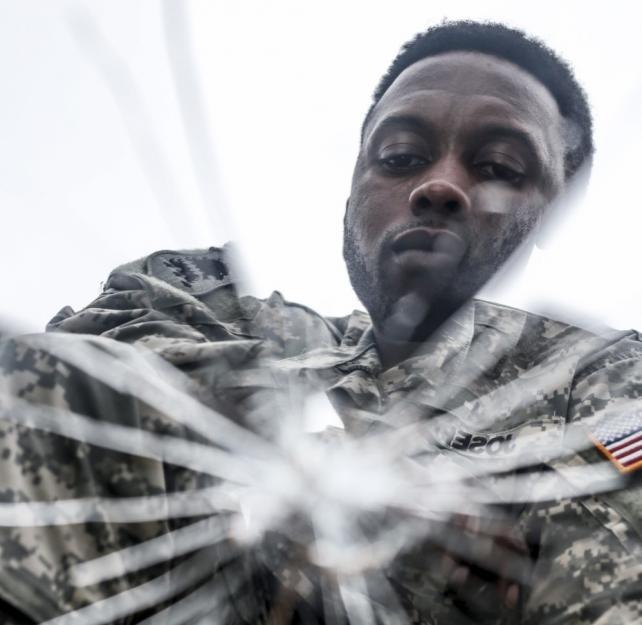
Use the filters to browse the information we have available or to narrow your search results for a specific audience (e.g. caregivers, military, children), a preferred type of content (e.g. videos, blogs, articles), or by topics of interest (e.g. family concerns, legal issues, symptoms).
There are several misconceptions around brain injury and it is important to dispel them. One is that someone with a TBI cannot get better. Not true; in fact, many, many people with TBI who are engaged in treatment get better and return to full lives. The second issue is the wishful thinking that there is one pill or technology that can cure a TBI. Not true; rather engaging in a series of evidence-based treatments and sticking to one’s treatment regimen is what helps people heal.
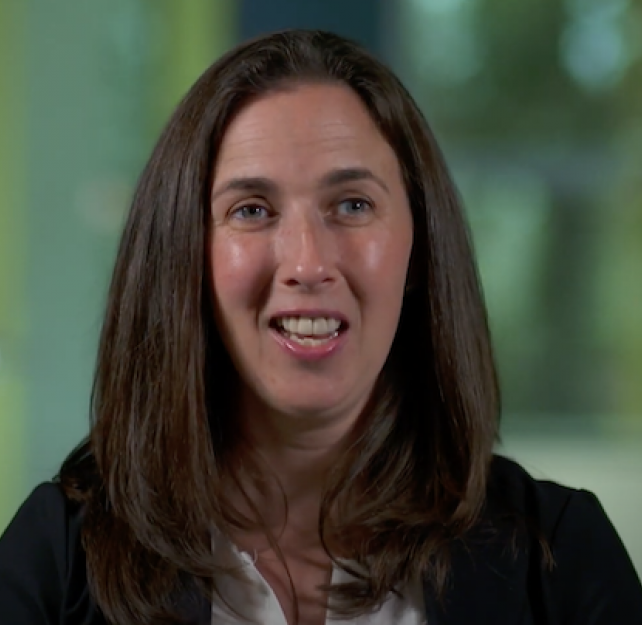
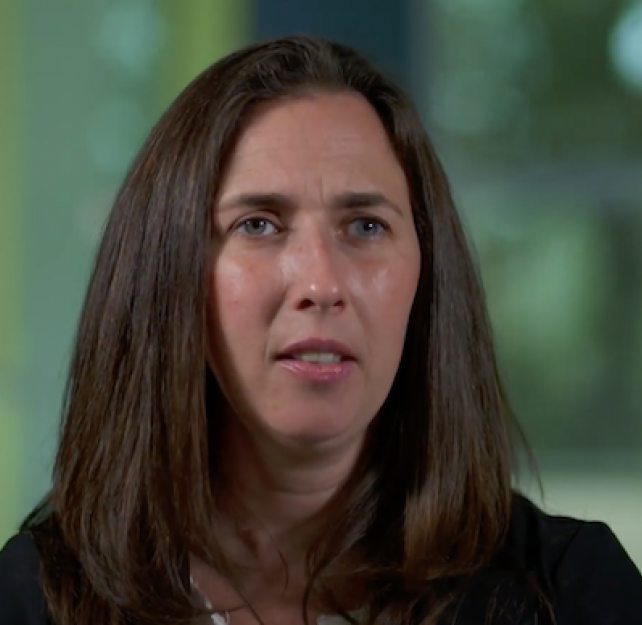
Dr. Mary Alexis Iaccarino tells the story of a service member who sent her team a note of thanks along with a photo of himself attending his daughter’s graduation. Before attending the Home Base program as well as a special brain health and trauma program for Special Operations Forces, he could never have imagined being in a crowd filled with noises and lights. For him, attending the graduation was a huge win; because of treatment he was able to participate in a big family moment.
Home Base has been offering outpatient programs for 10 years and intensive programs for the last five, during which time they have learned two main lessons. The first is the importance of designing individual treatment plans for each person based on their biomarkers of injury, symptoms, and needs. Secondly, they learned the importance of follow through post-program—whether helping a service member or veteran learn the tools for self-management when ready or educating local practitioners to better help the military population with TBI and/or PTSD.
Oftentimes, a family member is the first to recognize symptoms of TBI and/or PTSD in their loved one who has returned from military service. At the Home Base program, veterans and service members are accompanied by a family member for part of the two-week intensive so upon returning home, the family knows better how to help their loved one understand their symptoms and aid with and ongoing treatments, interventions, medications, and general support.
TBI is a multi-faceted injury that can present physically through headaches, balance, hearing, or vision problems; psychologically through depression or post-traumatic stress; cognitively through memory and attention issues; or all or a combination of these “buckets.” Home Base is a two-week intensive program for veterans and service members that serves as part of their journey to recovery. After the two weeks, case managers help their clients set up the necessary care and services they need in their community and follow their progress.
In our country—and around the world—we are witnessing a rise in suicide, drug dependency, and poor access to physical and mental health services. Programs like Wounded Warrior Project feel it is their responsibility to translate their best practices offered to veterans and service members for treatment and rehabilitation for these conditions to the entire country and world of civilians.
Recently, Wounded Warrior Project funded a study with the Rand Corporation on the need to treat substance use disorder along with treating traumatic brain injury (TBI) and/or post-traumatic stress disorder (PTSD). The often co-occurring conditions must be treated simultaneously to be as effective as possible.
Because Wounded Warrior Project works with many vets who have TBI and/or PTSD, staff hear many misconceptions. One misconception is that there are no treatments for TBI and PTSD. Not true. There are gold-standard treatments to heal people with PTSD and there are very effective rehab programs for people with TBI. Also, people need to remember that both of these conditions are often invisible wounds and can affect anyone—male, female, young, old, and so on.
There is some good research showing that the use of psychedelics may be beneficial in combination with psychotherapy for treating PSTD, but more research and more comprehensive data are needed before fully implementing them as a viable option.
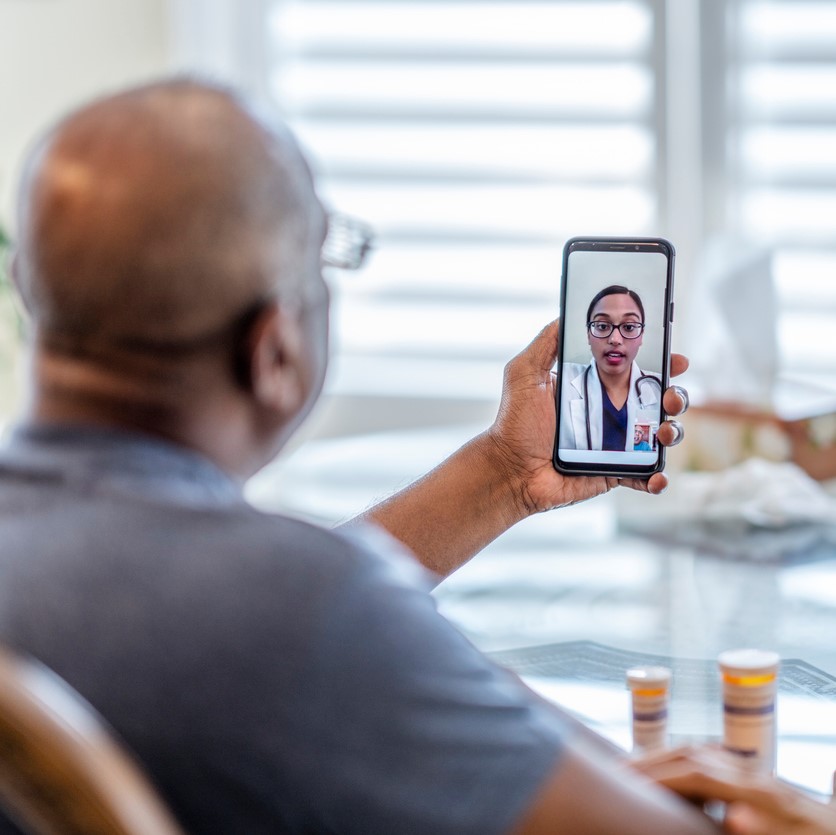
To help more veterans who are experiencing PTSD get the treatment they need to heal and move forward in their lives, many mental health providers have joined PSYPACT, which allows them to provide telehealth care outside the state(s) in which they have licensure. So far, 22 out of 50 states are part of the organization. Learn more here.
Looking at a person’s heart rate, skin conductance, or other ways the physical body reacts to the stressors of PTSD offers providers a more nuanced path toward understanding how PTSD impacts a person’s life and in what ways treatments can alter those physical and emotional reactions.
Treating PTSD in post-9/11 and other veterans is best undertaken with experts in prolonged exposure and cognitive processing therapy. Experts in these therapies can be found in person or via telehealth through the Warrior Care Networks. WCN providers also share their treatment models with primary care doctors and buddy system programs to expand their reach.
The road to recovery from traumatic memories and PTSD can be very difficult. But providers know how to help a person at each stage—getting past roadblocks, setting goals, and collaboratively planning how to take the steps toward positive, long-term changes.
Two of the most researched and effective treatments for PTSD are prolonged exposure and cognitive processing therapy. The first involves approaching instead of avoiding traumatic memories, the second working on changing thought patterns to reduce the impact of the trauma. With the help of an experienced provider, people can be successfully treated for PTSD.
Using data from ongoing research studies on the efficacy of treatments and interventions for PTSD, chronic pain, depression, TBI, and substance abuse is crucial when helping current and future patients. Most importantly, data shows that PTSD is highly treatable.
Emory Healthcare Veterans Program’s two-week PTDS Treatment intensive for post-9.11 vets is a convenient and effective means for people to get needed treatment for PTSD, TBI, depression, chronic pain, and substance abuse from home. The results are the same whether accessing care via telehealth or on site.
Three LSU Health New Orleans licensed professional counselors and registered play therapists have created a new book to help children cope with the experience and aftermath of Hurricane Ida. A couple of very talented children, Susanna (age 8) and Ellie (age 6) Frischhertz, drew the illustrations.
Experiencing PTSD and chronic pain simultaneously can sometimes lead to suicidal thoughts. But with guidance from family and friends to find the right resources and professionals, people can access highly effective combined treatments that help them return to a full life—physically and emotionally.
Most people who experience a trauma will not develop PTSD. But whether from a natural disaster, car crash, combat exposure, or sexual assault, those who develop PTSD tend to avoid dealing with the trauma’s “stuck memories” or feel unable to handle negative emotions and experiences.
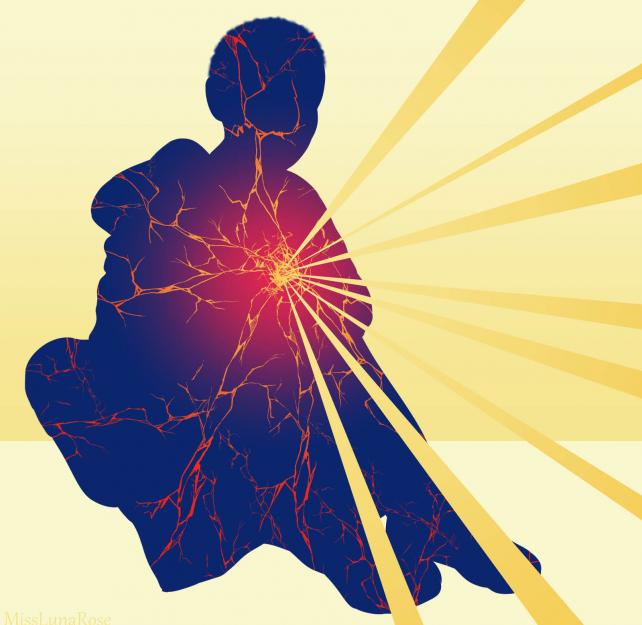
PTSD develops from a traumatic “stuck memory” and all the consequences of that memory not getting processed, resolved, or grieved. But it can be effectively treated, not simply managed.
The five-year study, published JAMA Psychiatry, found that telepsychiatry in rural, federally qualified health centers was a resounding success for patients who had screened positive for bipolar disorder and/or post-traumatic stress disorder (PTSD).