Use the filters to browse the information we have available or to narrow your search results for a specific audience (e.g. caregivers, military, children), a preferred type of content (e.g. videos, blogs, articles), or by topics of interest (e.g. family concerns, legal issues, symptoms).
Combat exposure can damage the brain physically and psychologically. Working to find the causes of these injuries will help with the nuances of treatment.
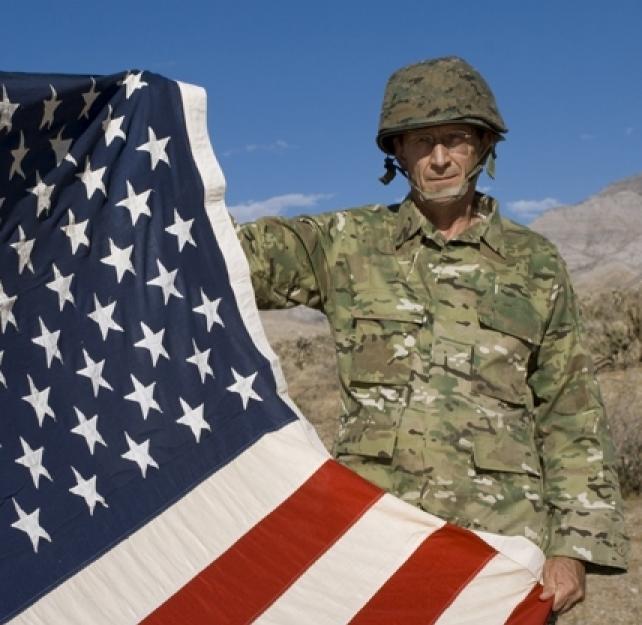
Traumatic — and joyful — experiences change who we are. We cannot "fix" soldiers coming home with combat stress, rather help them move on and become new versions of themselves.
Service members, veterans, their families, and professionals can find programs to help with brain injury and psychological health at Military OneSource and the Rand Corporation.
The main recommendations from RAND report on TBI and psych health included centralizing information, addressing gaps, and studying ways in which programs can find people with early symptoms.
The RAND Corporation is continuing its research, looking at what programs for TBI and psychological health in soldiers and veterans are working best and how to share that knowledge.
Depending on the cause of a person's brain injury like an assault or a combat injury, post-traumatic stress can also play a key role in the injury — and treatment.
When looking at the full-picture treatment for people with TBI, clinicians need to ask leading questions about issues including alcohol and caffeine use, intimacy or sexual issues, and suicide risk.