Use the filters to browse the information we have available or to narrow your search results for a specific audience (e.g. caregivers, military, children), a preferred type of content (e.g. videos, blogs, articles), or by topics of interest (e.g. family concerns, legal issues, symptoms).
Disorders of consciousness after severe brain injury exist on a continuum—from coma to unresponsive wakefulness syndrome (vegetative state) to minimally conscious state (MCS) and post‑traumatic confusional state.
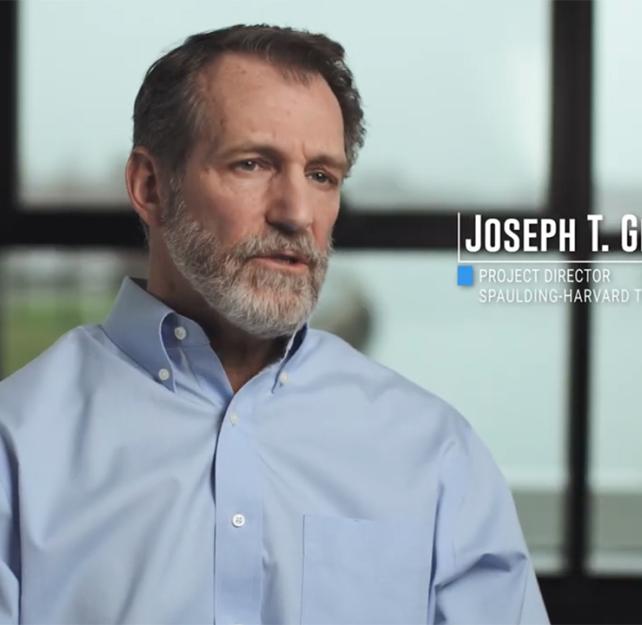
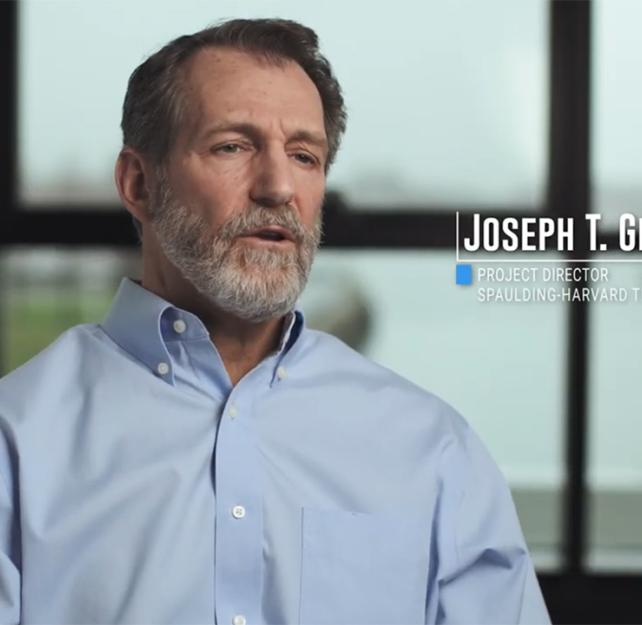
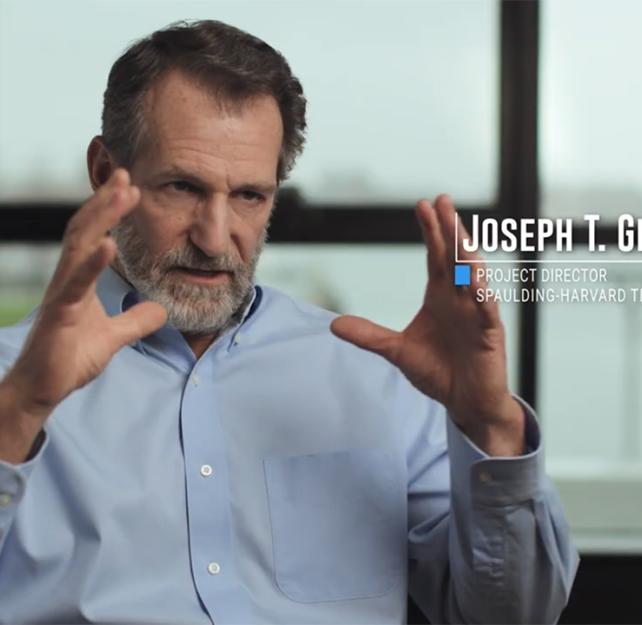
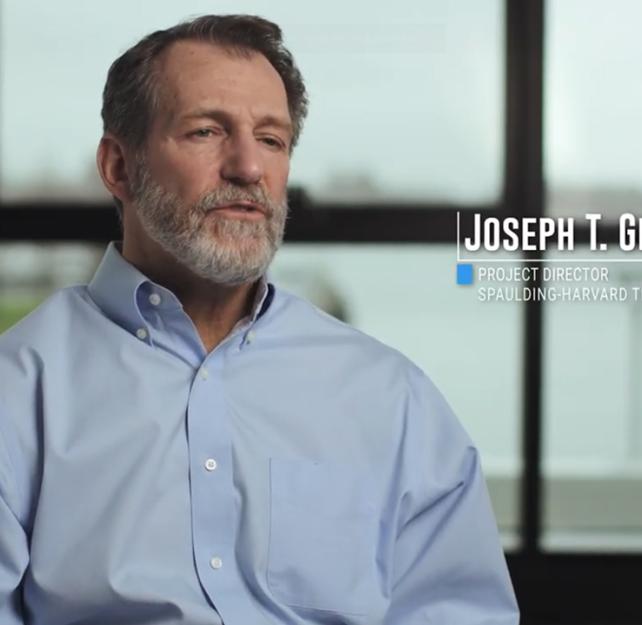
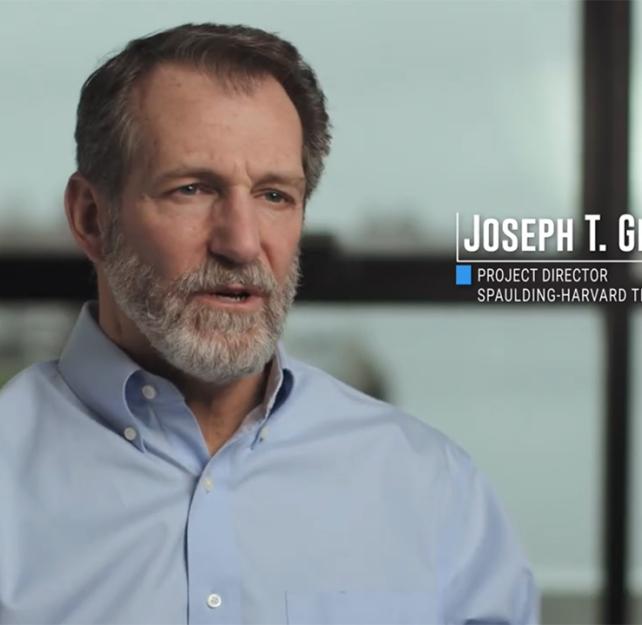
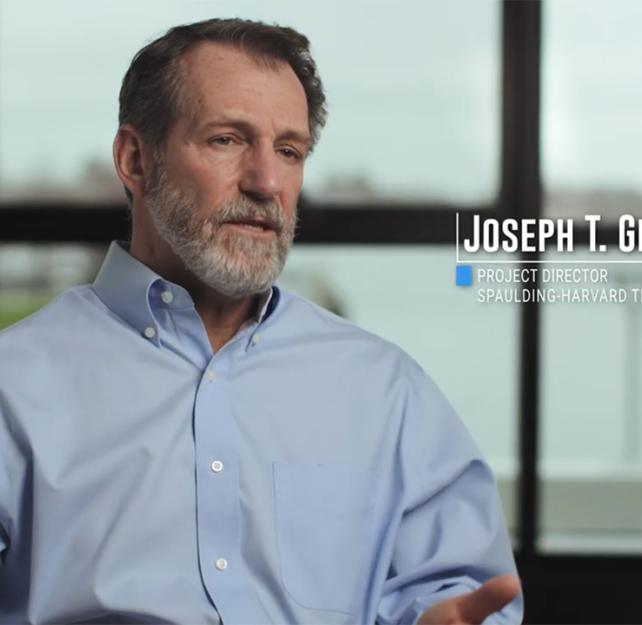
In this video, Joseph Giacino, PhD, explains how clinicians approach decisions about withdrawing life‑sustaining treatment for people with disorders of consciousness after severe brain injury—and why these decisions are often made too early.
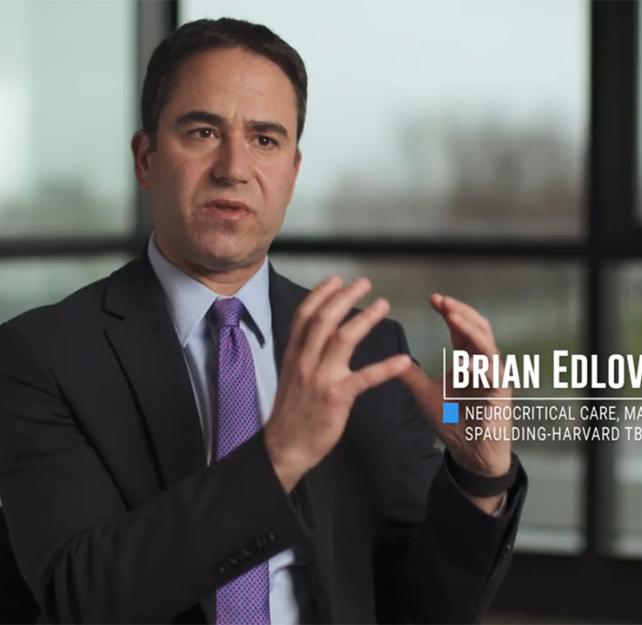
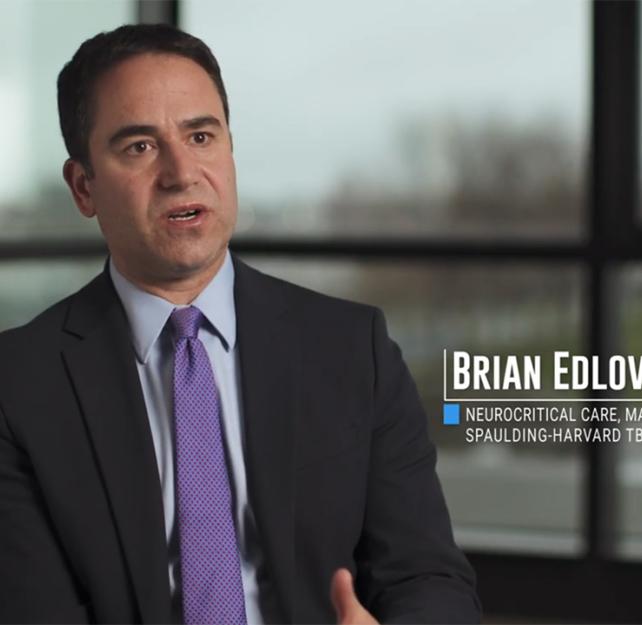
In this video, Brian Edlow, MD, explains how families and clinicians work together to make decisions about life‑sustaining treatment for people with disorders of consciousness.
In this video, Joseph Giacino, PhD, challenges common misconceptions about recovery after severe brain injury and prolonged disorders of consciousness.
In this video, Brian Edlow, MD, discusses what current research can—and cannot—tell us about predicting recovery after severe traumatic brain injury (TBI).
In this video, Joseph Giacino, PhD, explains why integrated care across the ICU and rehabilitation settings is essential for improving outcomes for people with disorders of consciousness.
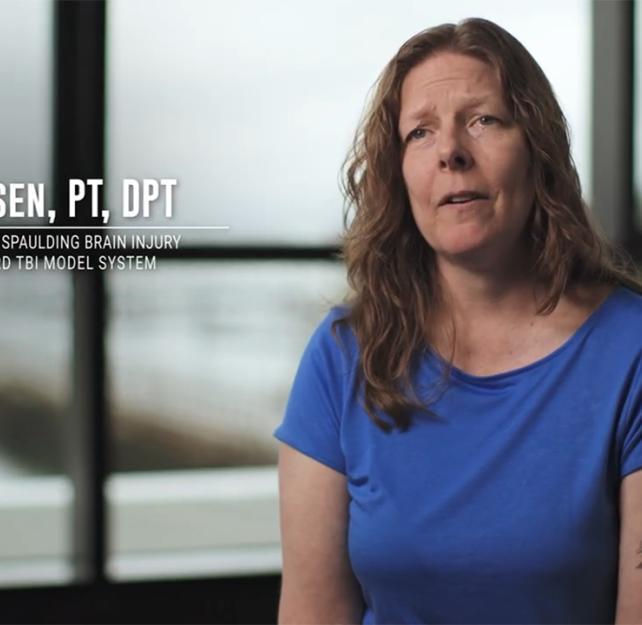
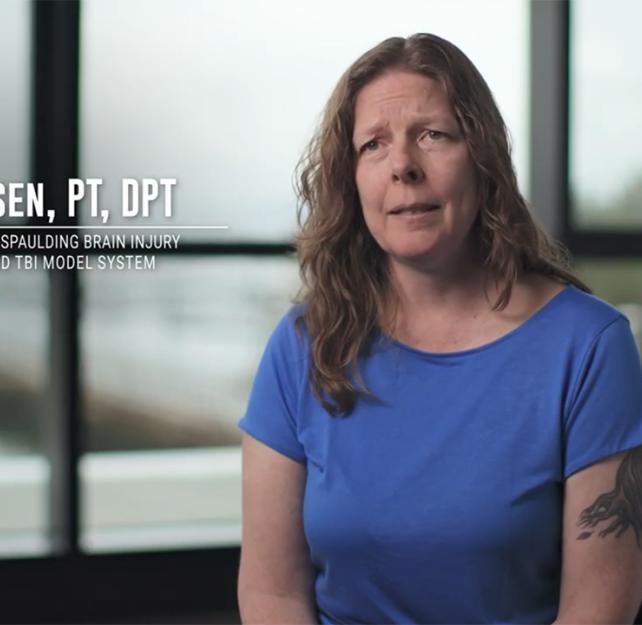
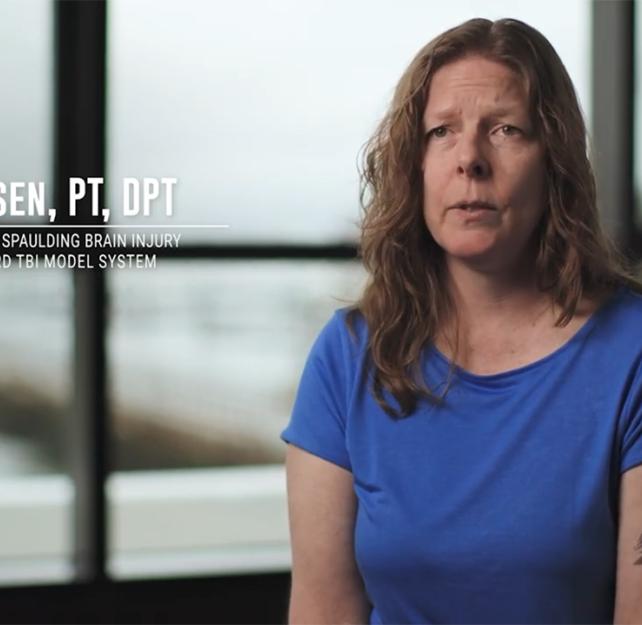
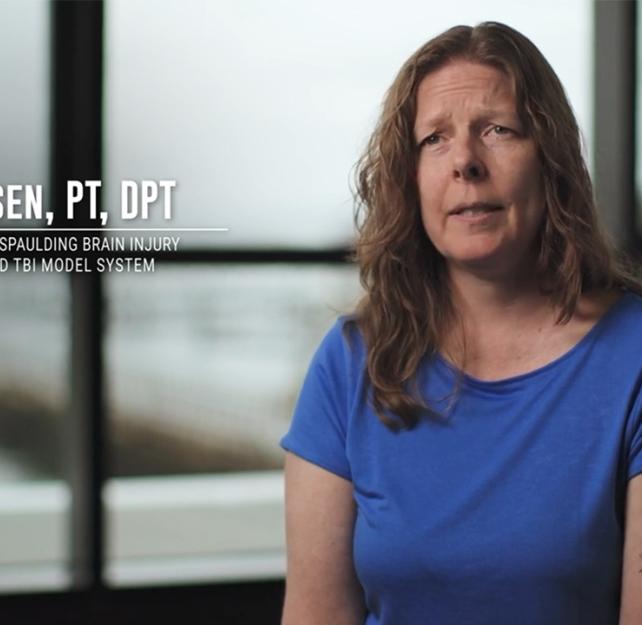
In this video, Beth Hansen, PT, DPT, explains how rehabilitation teams assess pain, stress, and tolerance during therapy for people with disorders of consciousness.
In this video, Beth Hansen, PT, DPT, explains how rehabilitation teams support communication as patients begin to emerge from a disorder of consciousness.
In this video, Beth Hansen, PT, DPT, explains the vital role families play in helping communication emerge for people recovering from a disorder of consciousness.
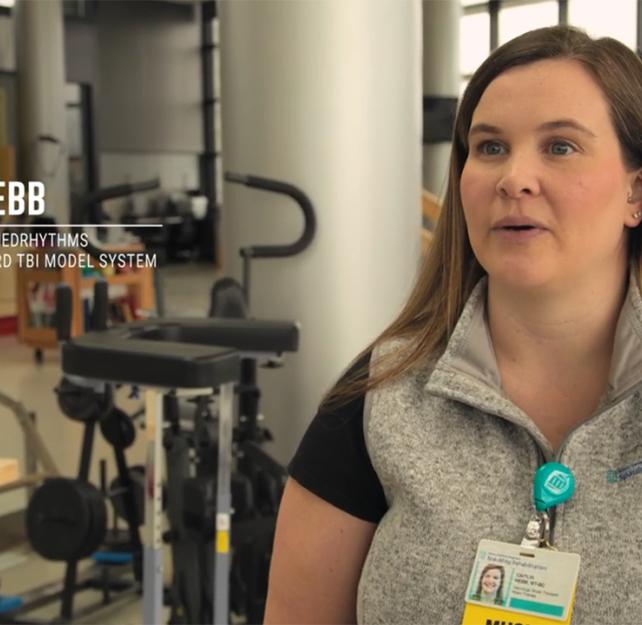
In this video, Caitlin Hebb, MT‑BC, explains how neurologic music therapy supports recovery for people with disorders of consciousness by stimulating arousal, awareness, speech, and movement.
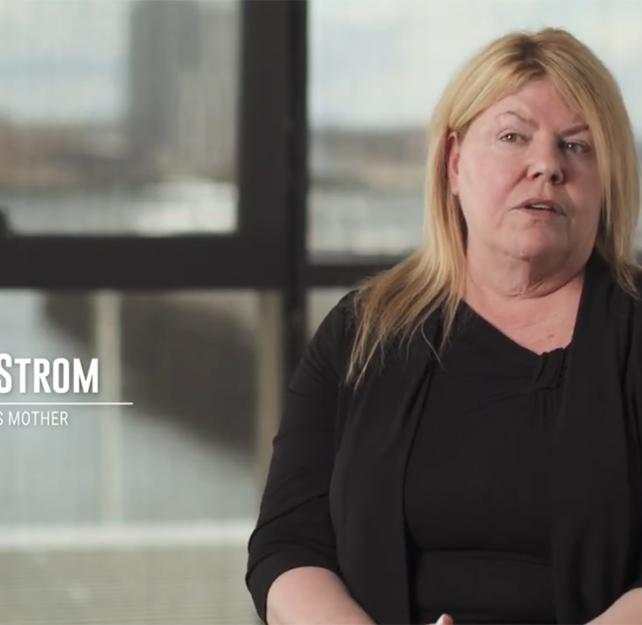
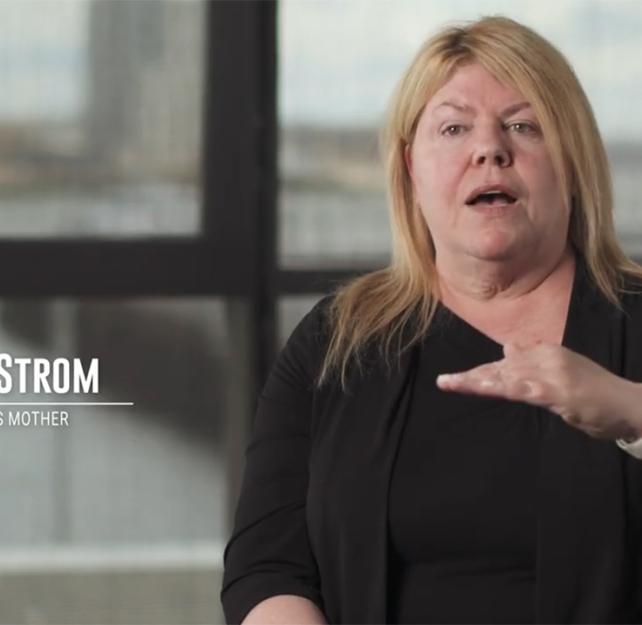
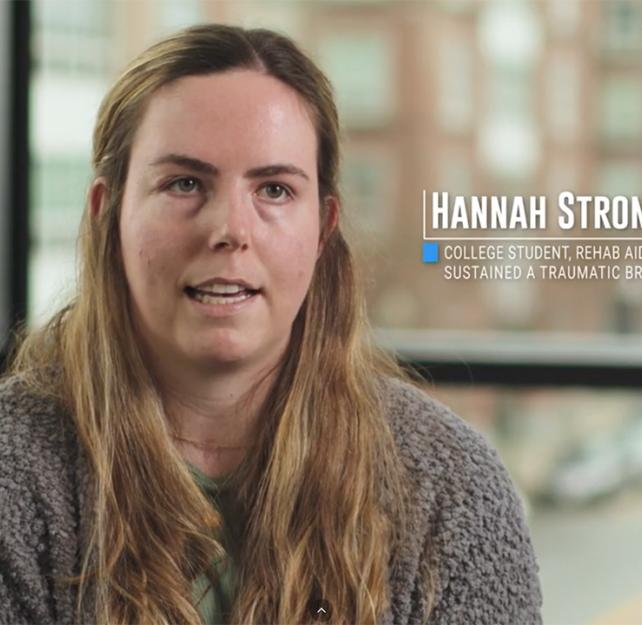
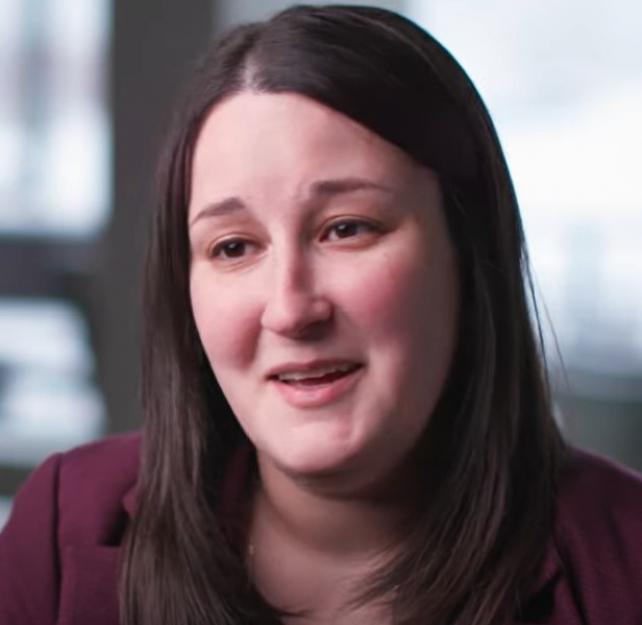
In this video, Gail Strom, mother of Hannah, shares her personal experience navigating the emotional ups and downs of a loved one’s recovery from a disorder of consciousness.
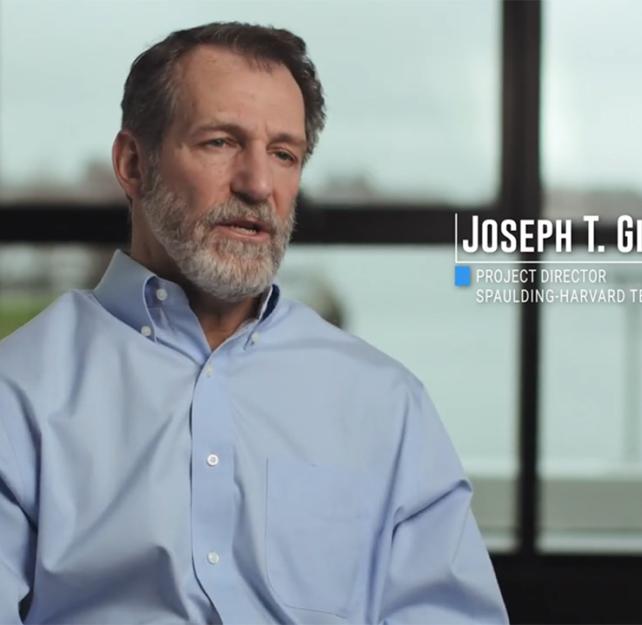
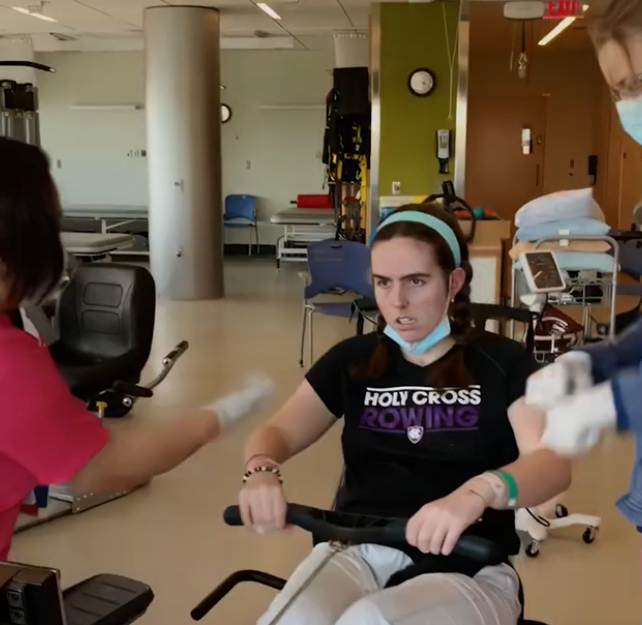
In this video, Joseph Giacino, PhD, explains how specialized inpatient rehabilitation helped uncover the cause of Hannah’s slow language recovery after a disorder of consciousness.
In this video, Joseph Giacino, PhD, explains why many people with disorders of consciousness struggle to access specialized inpatient rehabilitation—despite having significant potential for recovery.
In this video, Beth Hansen, PT, DPT, explains what families should look for when choosing an inpatient rehabilitation program for someone with a disorder of consciousness.
Recovering from Disorders of Consciousness follows the powerful true story of Hannah Strom, a young woman who survived a severe traumatic brain injury (TBI) and spent weeks in a disorder of consciousness. Through her journey — and the experiences of patients, families, and clinicians — this video explores how consciousness can slowly return, why early prognoses are often uncertain, and how specialized inpatient rehabilitation can change outcomes after severe brain injury.
What is neurofatigue? How does it affect people with brain injury (TBI)? Find out what it is, what it feels like, and what you can do to help mitigate symptoms and start to feel better.
Certified Rehabilitation Counselor and Brain Injury Specialist Allison Tebbe discusses how "Community as Intervention" works to help and heal veterans living with brain injuries and post-traumatic stress (PTSD).
Certified Rehabilitation Counselor and Brain Injury Specialist Allison Tebbe discusses the origins and evolution of Bastion's programs like Headway. She describes the benefits and success of "Community as Intervention."
USAF Staff Sergeant Adam Watson joined the military just before 9/11 to find a sense of direction as a young adult. He was trained as a linguist and worked in intelligence. He found purpose and fulfillment in his mission to target terrorists but at a high cost. His time in service took a toll on him and, eventually, his family.
Hear how Home Base, a part of the Wounded Warrior Project's Warrior Care Network, helped Adam treat his depression and post-traumatic stress disorder (PTSD) with Prolonged Exposure Therapy (PE) and other complementary therapies in their Intensive Outpatient Program (IOP). For information about treatments for PTSD please visit The Treatment Hub: https://www.brainline.org/treatment/ Don’t forget to like and subscribe! Information about Prolonged Exposure Therapy (PE): https://www.brainline.org/treatment/pe Home Base in Boston, MA, USA: https://homebase.org/ Wounded Warrior Project's Warrior Care Network: https://www.woundedwarriorproject.org/programs/warrior-care-network Website: https://www.BrainLine.org Donate: https://tinyurl.com/BrainLineDonation Facebook: https://www.facebook.com/brainline Twitter: https://twitter.com/brainline LinkedIn: https://www.linkedin.com/company/brainline.org/
Laura Harward, LICSW, discusses the Intensive Clinical Program at the Home Base, including treatments for PTSD, TBI, depression, anxiety, substance abuse, and military sexual trauma.