Use the filters to browse the information we have available or to narrow your search results for a specific audience (e.g. caregivers, military, children), a preferred type of content (e.g. videos, blogs, articles), or by topics of interest (e.g. family concerns, legal issues, symptoms).
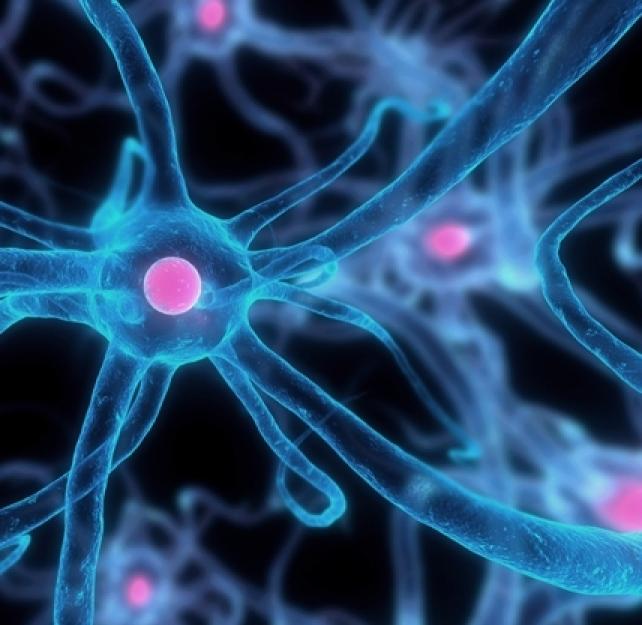
With the burgeoning understanding of the cellular and biochemical effects of brain injury, pharmacologists can successfully intercede with more promising standardized treatment.
Dr. Geoffrey Ling talks about the importance of an interdisciplinary team to treat TBI and PTSD because oftentimes, if one is left untreated, treatment for the other often stays stalled.
Dr. Geoffrey Ling talks about misconceptions about mTBI — from thinking a concussion is different from a mild TBI to believing that a mild TBI will always come with life-long, debilitating consequences.
Although other treatments for second impact syndrome are being studied, the two hallmark treatments now are rest and removal from play. They should not be underestimated.
Dr. Geoffrey Ling talks about the military's success in creating a standard, system of care for TBI — from immediate assessment to admittance into a concussion restoration center.
The breaking point came when Sandra Rivera found their 9-year-old son backed against a wall with his arms over his face, shielding himself from her husband’s screaming.
“TBI is not a derogatory term. It is not career-ending. Hiding it from everyone else is derelict. You could get other people killed. If you don’t ask for help, it makes you less of a man.” Read Karl Holt's story.
It took almost nine years for Marine Michael Grywalsky to get the help he needed for TBI and PTSD. Without the tenacity of his wife, he may never have gotten it.
The cognitive, communication, behavioral, sensory, physical, psycho-emotional, and social changes commonly experienced following TBI can affect a person's ability to return to work.
Cognitive and mental issues arising from combat exposure can also contribute to drug abuse. With so many contributing factors, the rate of substance abuse is high in returning service members who have had a concussion.
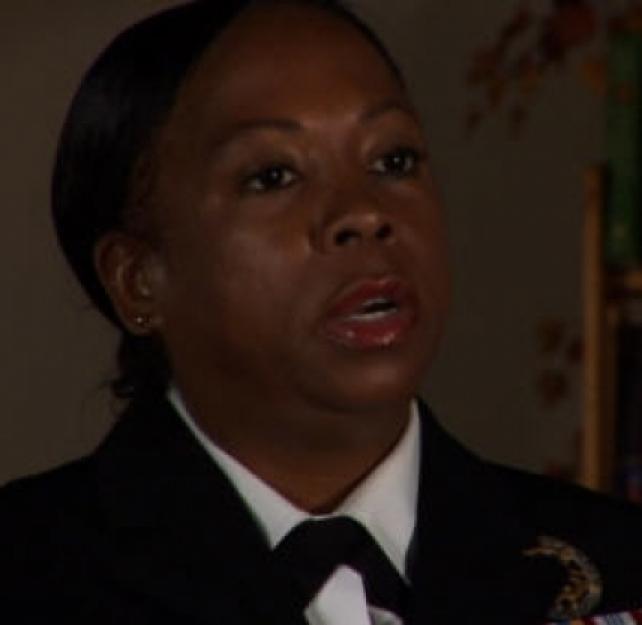
It is powerful — and important for recovery — for people with TBI to hear and share their stories and coping mechanisms with each other after brain injury. Retired Navy Commander Bernadette Semple shares her experiences.
Among other key strategies, Retired Navy Commander Bernadette Semple learned that making a detailed schedule each day and sticking to it is crucial for success after brain injury.
Retired Navy Commander Bernadette Semple had always been an intelligent and highly motivated person. She applied those qualities to the rehabilitation of her brain and her back.
Bernadette Semple was on her way to a mission when someone on her flight hit her hard on the temple. It wasn't until months later that she realized the extent of her symptoms.
The NICoE has $10 million worth of neuroimaging equipment for evaluating TBI and psychological health issues, most importantly, the MRI, the PET scan, and the MEG.
Neuroimaging the brain with a MEG can show, in real time, how damage to the brain can interrupt, slow, or stop communication from one part of the brain to other parts.
Many experts collaborated on the plan for the National Intrepid Center of Excellence with the goal of creating an objective measure to better characterize brain injury, and then treat it.