
Military & Veterans

See All See all military content

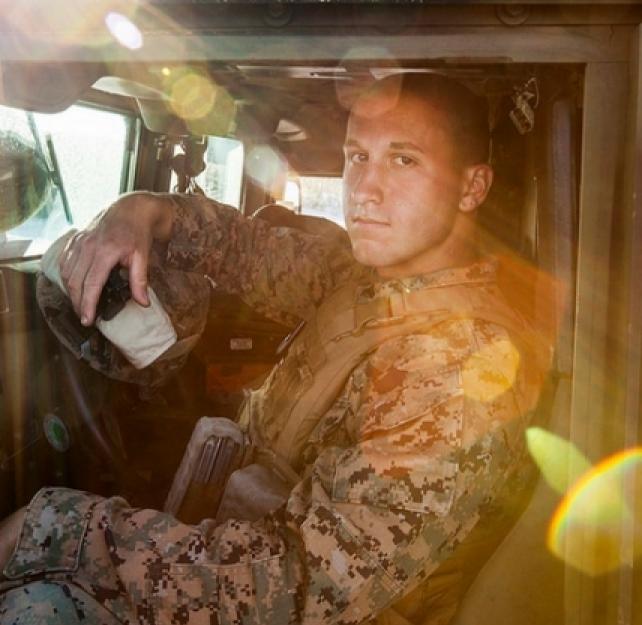
“Imagine you can only know one thing in the world,” says Staff Sergeant Jason Welsh, who was treated for a brain injury at Walter Reed Medical Center. “And that one thing is that you don’t know anything.”

Brain injury
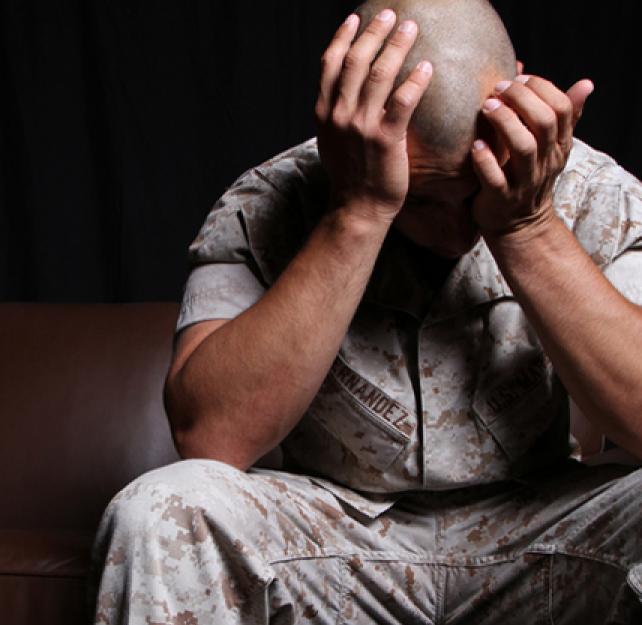
has become the signature wound of the wars in Iraq and Afghanistan. Because wartime TBIs can be associated with a psychological woundpost-traumatic stress disorder (PTSD) — the diagnosis and treatment of service members and veterans with brain injury has become even more of a major challenge for the military and for the Department of Veterans Affairs (VA) .

The good news is that there’s been a tremendous amount of research and advocacy as a result of war-related TBIs, and it’s improving our understanding of the brain and the way we treat injuries. Welsh’s words express the confusion and frustration that service members may feel after a TBI, but there is hope for clarity and purpose. Today, organizations like the Defense and Veterans Brain Injury Center (DVBIC) are working to improve how we care for service members with TBI, to ratchet up research efforts, and to increase education efforts surrounding TBI.

About blast-related brain injuries
When a bomb or improvised explosive device (IED) detonates on the battlefield, it can cause several types of brain injuries in a single moment.

First, there is a huge change of air pressure near the site of the blast, which may cause the brain to expand. The “over-pressurization wave” might then be followed by an “under-pressurization wave,” which could cause the brain to contract. These changes in pressure are thought to cause cellular damage throughout the brain, rather than in just one area.

Flying gravel, shrapnel, or other debris may also cause damage the brain if those objects penetrate the skull. Many times, the force of a blast can knock a person against a wall, the roof of his vehicle, or another object causing a brain injury.

Finally, the brain responds to serious trauma by releasing a cascade of chemicals that cause further damage.

Blast injuries vary in severity based on the power of the explosion and how close a person may have been to the bomb at the time of the blast.

Military medical care
Brain injuries in Iraq or Afghanistan have triggered the most advanced medical trauma response in history. Scores of medical professionals collaborate to provide sophisticated care that involves helicopter evacuation, battlefield wound care, flying intensive care units, and state-of-the-art hospital care and rehabilitation. Because of the highly advanced care, survival rates are higher than in any previous wars.

While most blast-related TBIs are considered mild, service members who sustain moderate to severe TBIs may be transported back to America where they will often receive care at a Polytrauma Rehabilitation Center. These centers provide therapies that address physical, cognitive, and emotional/behavioral impairments. Families are encouraged to participate in the recovery process at these centers.

New rules for multiple concussions
In summer 2010, the Army created new policies designed to minimize the effects of mild TBI, or concussion. The policies require any soldier who sustains a direct blow to the head or loss of consciousness to undergo a medical evaluation, followed by 24 hours of downtime and medical clearance before returning to duty. Comprehensive medical evaluations are mandatory for anyone sustaining three concussions within 12 months.

Veterans with brain injury
After his brain injury, Staff Sergeant Welsh received brain injury rehabilitation in a 24-hour care facility and then moved to an independent apartment near the clinic. He found a job nearby, and began making plans for a new future.

"I feel like I’ve got a lot of leading left to do, a lot of teaching," he says.

Like Welsh, many other wounded veterans explore ways that they can remain involved with the military culture. Most will return to duty, some will require supports and modifications, and all will carry their military experiences with them into their futures.