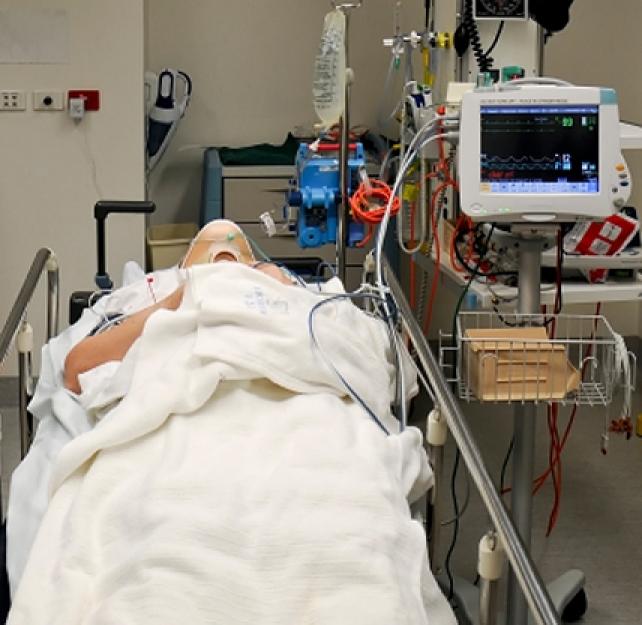
White, windowless, fluorescent-white blindness, buzzes and beeps, plastic chairs, feet rushing, people crying, people rejoicing, the smell of boiled food and fierce disinfectant.
If you’ve ever spent time in a hospital or been a regular visitor, it’s hard to forget those sights, sounds, and smells. They take you back to hours, weeks, or maybe months when fear was visceral, joy explosive, time stood still then blipped back in motion like a heart monitor after a miracle.
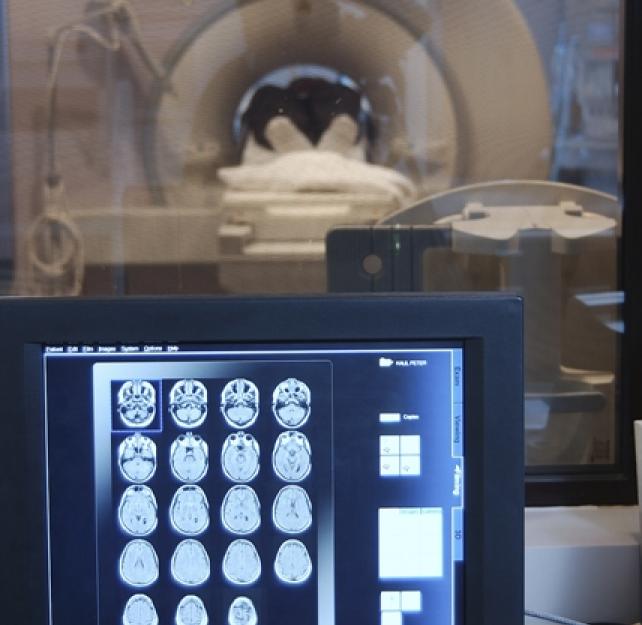
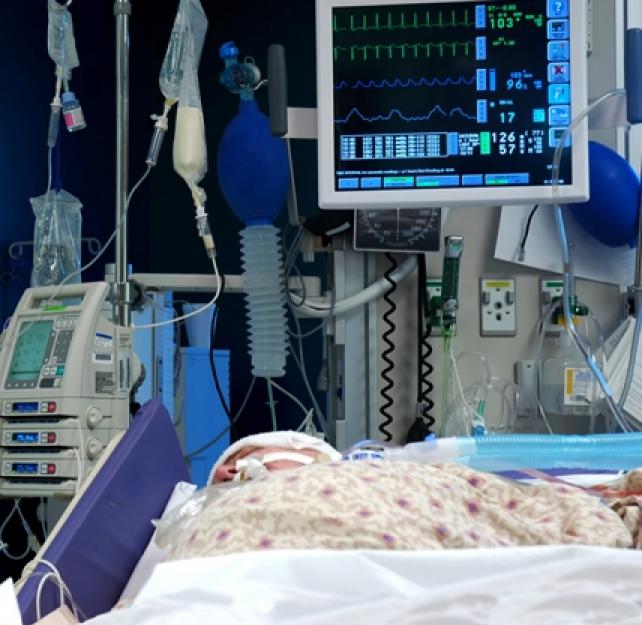
Hospital care after someone has a traumatic brain injury can run the gamut from a quick neurological checkup and perhaps an MRI imaging test to months of fulltime monitoring and care. Depending on the severity of the injury, hospital care might involve the emergency department and the intensive care unit.
When to go to the hospital
Whenever someone experiences a blow to the head — from a car crash, a sports injury, a fall ... anything — it’s smart to consider seeking medical help. But how do you know if a trip to the hospital is really necessary?
In a nutshell: when in doubt, go. Depending on the severity of the brain injury, going to the hospital can mean the difference between life and death. Here are a few convincing reasons why:
Caregivers: what do I need to know in the ER and the ICU?
Sometimes the decisions that need to be made about a loved one in the ER and ICU need to be made fast, especially if the TBI is severe or life-threatening. Here are some tips from other caregivers who have been there:
Staying longer
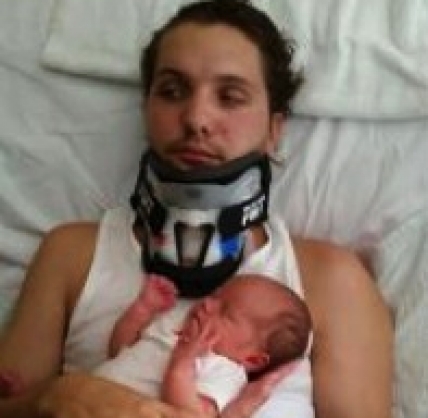
A person with TBI may stay in the hospital for months, until the medical staff deems him ready to move to a rehabilitation hospital or go home. Sometimes leaving the safety of the hospital with its 24/7 care can seem too early, frightening. However, these early referrals for an admission to an appropriate rehabilitation facility need to be made to ensure that arrangements are in place when the patient is ready for discharge from the acute care hospital. Next steps can be difficult, but with them come progress.
Getting to an ER is crucial after a TBI, especially for an injury that is on the more severe side. The quicker doctors can do a CAT scan of the brain, the quicker they can act on their diagnosis.