
In the next 5-10 years, we could see revolutionary changes to the way brain injury is treated, diagnosed, managed, and understood as an overall disease process.
Produced by Victoria Tilney McDonough, Ashley Gilleland, Justin Rhodes, and Erica Queen, BrainLine.
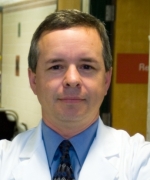
David Wright, MD, FACEP is a tenured associate professor in the Department of Emergency Medicine at Emory University, and the director of the division of Emergency Neurosciences. The Emergency Neurosciences program is dedicated to finding novel therapies for the treatment of rapidly evolving neurological conditions, including traumatic brain injury, stroke, status epilepticus, spinal cord injury and others.
The contents of Brainline (the “Web Site”), such as text, graphics, images, information obtained from the Web Site’s licensors and/or consultants, and other material contained on the Web Site (collectively, the “Content”) are for informational purposes only. The Content is not intended to be a substitute for medical, legal, or other professional advice, diagnosis, or treatment.
Specifically, with regards to medical issues, always seek the advice of your physician or other qualified health provider with any questions you may have regarding a medical condition. Never disregard professional medical advice or delay in seeking it because of something you have read on the Web Site. If you think you may have a medical emergency, call your doctor or 911 immediately. The Web Site does not recommend or endorse any specific tests, physicians, products, procedures, opinions, or other information that may be mentioned on the Web Site. Reliance on any information provided by the Web Site or by employees, volunteers or contractors or others associated with the Web Site and/or other visitors to the Web Site is solely at your own risk.