

Patience and Persistence Are Key for Caregiving
I've been impressed with many caregivers at how much they've been able to do,
and part of what happens is they experience a prolonged period of stress,
maybe 2 years, 3 years, 4 years, 5 years.
It's basically prolonged stress, and I've been impressed by how well
they can manage things, and basically
what people do is they figure out what their priorities are.
Their children have to get breakfast.
Their children have to get dinner.
Their children have to get to school and back,
and they have to get their homework done,
so many times what the uninjured caregiver will do
is just focus on priorities, the day to day things, paying the bills.
If you don't pay the electric bill, then the air conditioning
and many other things don't work, and what I've found
is that there's a term that's called self-abnegation.
It basically means not thinking at all about yourself
and focusing on the needs of others,
and that's what many wives of people with brain injury will do is
they will focus on others, the person with the injury.
They have a great sense of duty, a great sense of obligation.
Many people--many caregivers, or at least some caregivers,
have friends that have stuck with them, and what I normally tell people
is don't be too cautious about asking for help.
Try to get some help.
It's really hard to do things on your own.
Get support from other people,
and recognize that many people have been successful.
There's a lot of adversity but a big part of it too--
we have this expression that we use a lot, and it's not a new idea.
Timing is everything, and what I find that's really difficult
is that people have this idea that they want their lives back to normal like yesterday,
and that's just not possible, so part of what I tell people is
with patience and persistence, many, many things are possible,
and so part of what I try to do when I work with spouses is
to recognize that they're doing their best, to give them credit, because many will feel guilty.
Why can't I do more? Why can't I handle more?
To recognize that they're trying their hardest.
I try to help people recognize the things that they're doing
that are not working
and to recognize that over time if they focus
and they're persistent and they use all these good strategies
that they're using that things will get better.
It's really important for people to have hope.
Show transcript | Print transcript
The prolonged period of stress after a loved one has a TBI can last years. Asking for help, being patient and persistent, and knowing that life may be different but it will get easier and better are crucial points for caregivers.
Produced by Victoria Tilney McDonough, Justin Rhodes, and Ashley Gilleland, BrainLine.
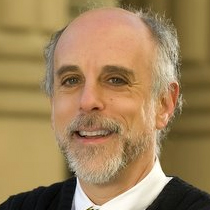
Jeffrey Kreutzer, PhD,
Jeffrey S. Kreutzer, PhD, ABPP, is the Rosa Schwarz Cifu Professor of Physical Medicine and Rehabilitation at Virginia Commonwealth University (VCU), Medical College of Virginia Campus. There, he is also a professor of Neurosurgery and Psychiatry. Dr. Kreutzer serves as director of Virginia's federally designated Traumatic Brain Injury Model System and coordinates VCU Health System outpatient services for families and persons with brain injury.
The contents of Brainline (the “Web Site”), such as text, graphics, images, information obtained from the Web Site’s licensors and/or consultants, and other material contained on the Web Site (collectively, the “Content”) are for informational purposes only. The Content is not intended to be a substitute for medical, legal, or other professional advice, diagnosis, or treatment.
Specifically, with regards to medical issues, always seek the advice of your physician or other qualified health provider with any questions you may have regarding a medical condition. Never disregard professional medical advice or delay in seeking it because of something you have read on the Web Site. If you think you may have a medical emergency, call your doctor or 911 immediately. The Web Site does not recommend or endorse any specific tests, physicians, products, procedures, opinions, or other information that may be mentioned on the Web Site. Reliance on any information provided by the Web Site or by employees, volunteers or contractors or others associated with the Web Site and/or other visitors to the Web Site is solely at your own risk.