

Turn Text Only Off

Page Utilities


Neuropsychologist Maria Mouratidis Talks About the Heroes She Meets Every Day Dr. Maria Mouratidis Talks About Compassion Fatigue in Caregivers

Click on any phrase to play the video at that point.
Compassion fatigue is a hazard of caring. It occurs when you feel like you have given everything you have. It's that feeling of feeling drained or empty and that it feels hard to care. It's common in healthcare providers and in caregivers of all kinds, including family caregivers. It's often very difficult for family members and healthcare providers to deal with it because they often feel guilty that they have that tiredness It's not that they don't care any more. It's hard to keep caring that much and to sustain that, and especially if someone is recovering from an injury over a long period of time. That is very emotionally draining and exhausting. Oftentimes, the caregiver is so focused on the needs of the person that's injured, they're not taking care of their own physical or emotional needs. The understandable sort of neglect of that builds up over time, and we work with both staff and family caregivers about how to maintain your stamina and keep your endurance up, to find ways that nurture and take care of yourself, so that you can be there for the long haul and that it is okay to take a break,-- it doesn't mean that you don't care-- and how to use the support that you have available to you. Compassion fatigue is a real element. It's different than burnout. It's not like being overworked or not liking your job or not caring. It is a natural part of care giving. We don't tend to talk about it as much. It is important that if anyone is feeling that way that they understand first that it's normal, and secondly, that it doesn't mean that they don't care or they're doing anything wrong, and three, that's it's okay to talk about.

show transcriptShow transcript | Print transcript

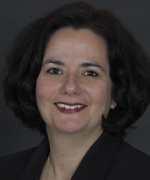
Dr. Maria Mouratidis is is a licensed neuropsychologist and currently the command consultant and subject matter expert for Traumatic Brain Injury and Psychological Health at the National Naval Medical Center. This is BrainLine's exclusive interview with Dr. Mouratidis recorded on September 17th, 2008. Transcript of the video here.

Maria Mouratidis, PsyDMaria Mouratidis, PsyD, Dr. Mouratidis is a licensed neuropsychologist and currently the command consultant and subject matter expert for Traumatic Brain Injury and Psychological Health at the National Naval Medical Center.

The contents of Brainline (the “Web Site”), such as text, graphics, images, information obtained from the Web Site’s licensors and/or consultants, and other material contained on the Web Site (collectively, the “Content”) are for informational purposes only. The Content is not intended to be a substitute for medical, legal, or other professional advice, diagnosis, or treatment.

Specifically, with regards to medical issues, always seek the advice of your physician or other qualified health provider with any questions you may have regarding a medical condition. Never disregard professional medical advice or delay in seeking it because of something you have read on the Web Site. If you think you may have a medical emergency, call your doctor or 911 immediately. The Web Site does not recommend or endorse any specific tests, physicians, products, procedures, opinions, or other information that may be mentioned on the Web Site. Reliance on any information provided by the Web Site or by employees, volunteers or contractors or others associated with the Web Site and/or other visitors to the Web Site is solely at your own risk.

Related Content


 Comments

There are currently no comments for this article


BrainLine Footer


BrainLine.org is a WETA website funded by the Defense and Veterans Brain Injury Center through a contract with the Henry M. Jackson Foundation. Government funding support is not an endorsement of WETA or any of its products, including this website.

© 2013 WETA All Rights Reserved