

My husband sustained a head injury several years before we met. He has hearing loss in his left ear from his head hitting a street curb. He has been experiencing headaches daily. A recent MRI did not show anything. Is there anything that can be done to help him with such an old injury? What type of doctor would you recommend he see for the headaches and to possibly help with the hearing loss?
Neurologists often assist patients in diagnosing and treating headaches. Your neurologist can also refer you to an audiologist to help with your husband’s hearing loss.
Living with untreated hearing loss adds stress to daily life. Not hearing well can lead to:
- increased frustration and fatigue from the effort of “getting by”
- withdrawing from social situations and family gatherings because it can be difficult to keep up with conversations and follow the topic
- feelings of depression and isolation.
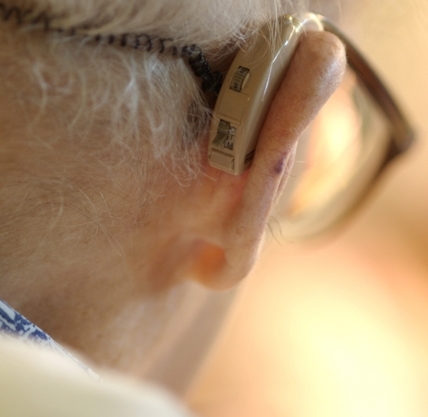
An audiologist can perform an evaluation to determine the degree and type of hearing loss. She can then work with you and your husband to create a treatment plan that may include:
- hearing aids
- hearing assistive technology
- coping strategies
For more information on the related topic of post-traumatic headache, click here.
About the author: Janet Brown, MA, CCC-SLP
Janet Brown, MA, CCC-SLP spent twenty years in practice at the Veterans Administration Medical Center and at the National Rehabilitation Hospital in Washington, DC. She is the former director of Health Care Services at the American Speech-Language-Hearing Association.

Comments (1)
Please remember, we are not able to give medical or legal advice. If you have medical concerns, please consult your doctor. All posted comments are the views and opinions of the poster only.
Anonymous replied on Permalink
I suffer only from daily headaches since an auto accident. Seeing doctors, neurologists and specialist eye doctors. Going finally, after 3 3/4 years, for an MRI in hopes we can see where the damage is that is causing the headaches and eye troubles. I hope you will find a good doctor. They are out there. Keep asking and searching.