Page Utilities


8 Top Tips for Safe Summer Sports BrainLine (page 1 of 2) Page 1 of 2

9 Top Tips for Safe Summer Sports ... and Fun
Multimedia
  • video content icon
    "Don't even try to fool me because I'm watching you!" So says Jay Driscoll, ATC / CSCS, athletic director at Washington, DC’s St. Albans School, to his student athletes, alluding to the fact that some athletes cover up a mild brain injury so as to stay in the game. With a no-nonsense attitude and a keen sense of humor, Jay talks to BrainLine about his program on injury prevention, care, and rehabilitation services as well as how he helps his athletes meet and exceed demands by enhancing their physical fitness, performance, and health.

    Transcript of this video.
  • Working the Sidelines
  • video content icon
    Dr. Jeffrey Bazarian is an emergency physician with a strong research interest in traumatic brain injury. He is associate professor of Emergency Medicine, Neurology, and Neurosurgery at the Center for Neural Development and Disease, University of Rochester Medical Center. This is BrainLine's exclusive interview with Dr. Jeffrey Bazarian recorded on September 26, 2008. Transcript of the video here.
  • Prevention and Awareness of TBI
  • audio content icon
    CDC Cup of Health Understanding Sports TBI. From the CDC. Transcript of this audio.
  • CDC Cup of Health Understanding Sports TBI
  • video content icon
    Dr. James Kelly is professor of Neurosurgery and Physical Medicine and Rehabilitation at the University of Colorado Denver School of Medicine and associate director of the Colorado Area Health Education Center System. This is BrainLine's exclusive interview with Dr. Kelly recorded on July 11, 2008. Transcript of this video.
  • Dr. James Kelly Talks About Children, Helmets, and Concussion
  • video content icon
    Transcript of this video. Welcome to the first in a series of webcasts on traumatic brain injury, hosted by Doris McMillon. Concussion: Understanding Mild Traumatic Brain Injury will help you understand what a concussion is and what to expect during recovery. We are pleased to feature the following distinguished guests:
    • Dr. Jim Kelly, Professor of Neurosurgery and Physical Medicine and Rehabilitation at the University of Colorado Denver School of Medicine
    • Dr. Aditya Bhagwat, Clinical Neuropsychologist from Walter Reed Army Medical Center
    • Lesley LeMasurier, a college senior at the University of Colorado who was training with the United States Ski Team until the toll of cumulative mild TBIs ended her ski career

    Panelist Bios

    James P. Kelly, MA, MD, FAANJames P. Kelly, MA, MD, FAAN
    Dr. Kelly is Professor of Neurosurgery and Physical Medicine and Rehabilitation at the University of Colorado Denver School of Medicine and Associate Director of the Colorado Area Health Education Center System. He graduated cum laude with a BA from Western Michigan University, with a major in Psychology and minor in Chemistry before obtaining his MA, also at WMU, in Clinical Psychology. He earned his medical degree from Northwestern University. Kelly specializes in all aspects of traumatic brain injury research and clinical care. His scientific publications and editorials have appeared in numerous medical journals, and he is invited to speak on a variety of neurological topics across the United States and abroad. Among countless other affiliations, positions, and publications, he was lead author of the Colorado and American Academy of Neurology Guidelines for the Management of Sports Concussion, and a co-author of the Standardized Assessment of Concussion (SAC), which is the most widely used sideline mental status test in sports. Dr. Kelly is a member of the Colorado State Boxing Commission and is the consulting neurologist to the National Hockey League Players Association, to the Aspen Skiing Company, and to the US Department of Defense for blast injury and concussion. He is Chairman of the Defense Health Board's Traumatic Brain Injury External Advisory Subcommittee for military clinical care, research, and education. He maintains an active outpatient and inpatient practice at the University of Colorado Hospital. Aditya A. Bhagwat, PhD, ABPP-CNAditya A. Bhagwat, PhD, ABPP-CN
    Dr. Bhagwat is a board certified Clinical Neuropsychologist currently working in the Defense and Veterans Brain Injury Center (DVBIC) at Walter Reed Army Medical Center in Washington, DC. He completed his undergraduate studies in Psychology at McGill University, his doctoral work in Counseling Psychology at The Ohio State University, and a postdoctoral fellowship in Clinical Neuropsychology through the National Rehabilitation Hospital in Washington, DC, and Walter Reed Army Medical Center. Dr. Bhagwat served as a commissioned officer in the United States Air Force for seven years before joining the DVBIC, where he is privileged to be able to continue serving military service members who have suffered brain injuries. Aditya A. Bhagwat, PhD, ABPP-CNLesley LeMasurier
    A senior at University of Colorado at Boulder (CU), Lesley LeMasurier grew up skiing in Virginia until age twelve, when she moved north to attend Burke Mountain Academy, a ski racing school in Vermont. In the spring of 2003, she earned a spot on the United States Alpine Development Ski Team. Over the course of the two years (2001 – 2003) prior to joining the US Team, she suffered four concussions, and began struggling with poor balance, coordination, and strength on the left side of her body. She also began suffering from migraines and insomnia. Despite these symptoms, she accepted the spot on the team. But after many crashes resulting in a fifth concussion, a broken right leg, and torn ligaments in her left knee in early 2005, she left the development team to focus on her health. An English major with a minor in Ethnic Studies, she is also a member of the CU Varsity Ski Team, but given her history of mild TBI, she is medically ineligible to compete. However, she continues her relationship with athletics by assisting with ski team training sessions, mentoring freshman student-athletes in the athletic department at CU, and serving as a board member and the athlete representative for the Shelley Glover Ski Education Foundation. She plans to pursue an MFA in writing upon completion of her undergraduate studies. About BrainLine Webcasts We've launched BrainLine's webcast series to keep you informed — on an ongoing basis — about preventing, treating, and living with traumatic brain injury. Listen, watch, and learn from top experts in the field — from neurosurgeons and speech pathologists to long-time caregivers and individuals living with TBI.
  • Concussion: Understanding Mild Traumatic Brain Injury

Summer is a time to be outside and get active. But be safe! Avoid brain injury by following these important tips:

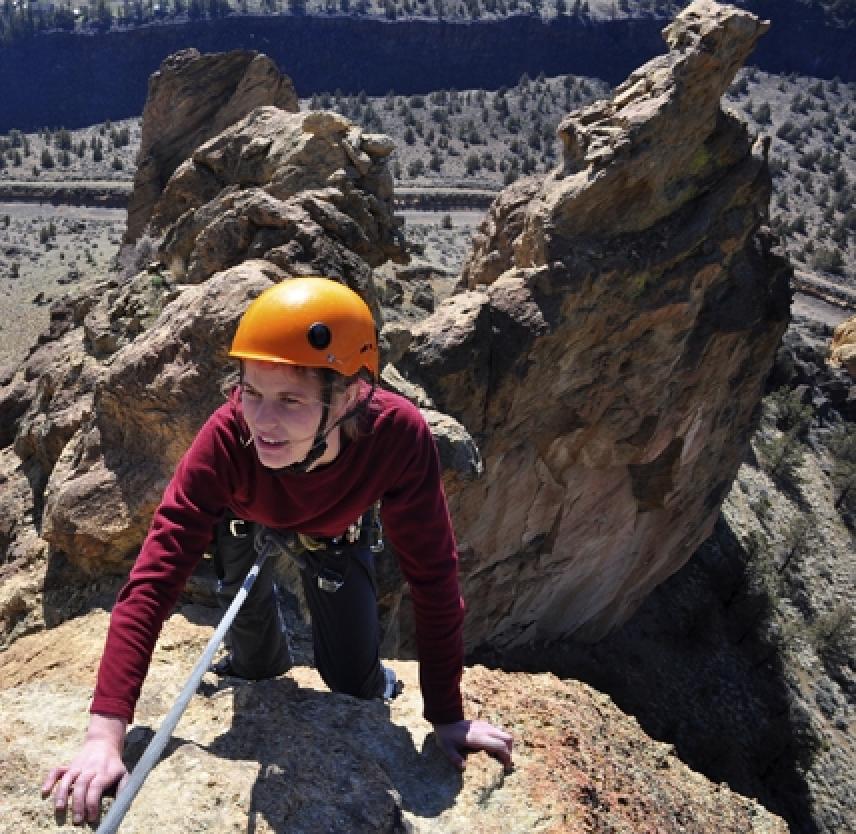
1. Wear a helmet
A helmet is the single most effective way to prevent head injury from a bicycle crash.1 Make sure you always wear a properly fitted helmet. A proper fit means the helmet is not too wide or loose and doesn’t tip backwards exposing the forehead.2 Using an approved helmet for bicycling reduces the risk of brain injury by 63 to 88 percent for all ages.3 Be sure your helmet — no matter what sport or activity the helmet is specifically designed for — is approved by a group that tests helmets for safety, such as the Consumer Product Safety Commission (CPSC) or Snell B-95 standards.

2. Use a life jacket
Wearing a life jacket can save your life by keeping your head above water if you become unconscious or incapacitated. Non-fatal drowning can cause brain damage resulting in long-term disabilities, including memory problems, learning disabilities, and permanent loss of basic functioning (e.g., permanent vegetative state). In 2008, 709 people died from boating incidents, and 9 out of 10 of those who drowned weren’t wearing life jackets.4 There are life jackets available for any type of water activity; you don’t have to use the bulky orange ones, get something stylish!

3. Always buckle up
In 2006, seat belts saved an estimated 15,383 lives among passenger vehicle occupants over 4 years old. Motor vehicle crashes are the leading cause of death for young adults 16 to 20.5

During a crash, a seatbelt helps keep a person more secure inside the vehicle than if not wearing a seatbelt. Being completely thrown out of a vehicle is almost always deadly.6

4. Watch children at all times in or near water
Each year, approximately 3,000 children under the age of 5 are treated in emergency rooms for submersion injuries.7 Many of these kids are left with a permanent disability, including brain damage. Children like to explore and discover new things, so take the following steps to keep them safe:

  • Use safety gates or define perimeters to keep children from wandering off and getting into serious trouble, especially around backyard swimming pools. 8 Pools should always have fences all the way around them.9
  • Get training in basic water rescue skills, first aid, and CPR.
  • Learn to swim and teach your children to swim.

5. Celebrate safely and if you drink, do it responsibly

  • Every day, 36 people in the United States die, and approximately 700 more are injured in motor vehicle crashes that involve an alcohol-impaired driver.10
  • Always designate a non-drinking driver before any celebration begins.
  • If no one in the group is sober, call a cab or phone another friend, but don’t get behind the wheel of a car.

6. Check out your child’s playground
Each year, emergency departments treat more than 200,000 children ages 14 and younger for playground-related injuries.12

  • Ensure that playground equipment is age-appropriate and properly maintained. Look for adequate surfacing under equipment and loose or broken screws on the equipment itself.
  • Actively supervise children on playgrounds.
  • Keep toddlers under age 5 in a separate play area, fenced off from equipment designed for bigger kids.

7. Play safely
Approximately 2 out of 5 traumatic brain injuries in children are related to sports and recreational activities.13

  • Choose the right equipment for the right sport. Make sure you and your child wear protective gear such as wrist guards, knee and elbow pads, and a helmet during roller sports.
  • Update old gear to newer equipment; the newer equipment may incorporate new safety features or new materials to prevent injury.

8. Know the signs and symptoms of concussion
A concussion is a traumatic brain injury. A repeat injury can be deadly or can leave a lasting impairment. When in doubt, sit it out and seek medical attention from someone who understands traumatic brain injury.

So go outside, be active, have fun … but be safe out there.

For more information on keeping your family safe, visit the CDC’s Injury Center.

Sources

  1. NHTSA’s National Center for Statistics and Analysis, Traffic Safety Facts, 2008 Data, Bicyclists and Other Cyclists.
  2. US Dept of Transportation Federal Highway Administration, BIKESAFE, “Crash Factors."
  3. Thompson DC, Rivara FP, Thompson R. Helmets for preventing head and facial injuries in bicyclists. Cochrane Database Syst Rev1999;4:CD001855
  4. Center For Disease Control and Injury And Prevention¸ Unintentional Drowning: Fact Sheet.
  5. National Highway Traffic Safety Administration, 2006 Motor Vehicle Occupant Protection FACTS.
  6. National Highway Traffic Safety Administration, “The Top Five Things You Should Know About Buckling Up.”
  7. US Consumer Product Safety Commission, “Swimming Pool and Spa Safety Starts with You!” www.poolsafety.gov.
  8. American Academy of Pediatrics, Swimming Pool Safety
  9. Klass, P. "When a Child Gets Hurt, a Sibling May Be at Risk," The New York Times, June 8, 2010.
1 |   

BrainLine

 Comments

There are currently no comments for this article