

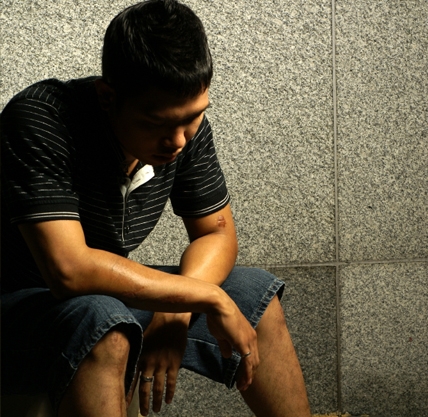
My 20-year-old son fell off a stairway 12 feet high when he was two. He was knocked out briefly and spent the night in the hospital with what the doctors said was a mild concussion. He has had mild behavior problems throughout his life. He barely made it through high school and after failing in college, he moved home and has rarely been out of his room in six months. He can't remember things, is not motivated, and has big moods swings. People who do not know him think he is depressed. He has always been this way. If these problems are a result of his fall so many years ago, what can I do to help him at this point?
While it may not be possible to determine specifically how much of your son's current challenges are a direct result of his fall so many years ago, there is help. While early intervention is generally best, it is never too late to address issues that arise following a brain injury. At this point, your son is likely to benefit from gaining a better understanding of the nature of his difficulties, strategies to compensate for any cognitive or behavioral challenges, and ways to emphasize the skills he does have.
The first step is to get a thorough assessment of his cognitive and psychological functioning. Attain a comprehensive neuropsychological assessment as well as a neurological exam that may include head imaging. Your local brain injury association should be able to assist you in finding providers with expertise in these areas. This assessment will allow you to better understand what is going on with your son cognitively and emotionally. Depending on the recommendations from these professionals, your son may benefit from some combination of psychological or neuropsychological counseling, cognitive rehabilitation, and/or psychiatric intervention. He may also benefit from vocational counseling and rehabilitation to help him discover where his interests lie and to facilitate vocational success.
In addition to pointing the direction for treatment and intervention, getting a clearer understanding of what is going on and what can be done about it is likely to come as a relief to your son, making him feel less like a "failure" and giving him some hope for future accomplishments. At this time in his life, it is important for him to be able to define and plan some type of future for himself. The resources and interventions suggested above will help with this. Person-centered planning is a process for helping individuals with TBI move on in their lives by focusing on what it is they want in life and on the steps needed to get there. The link above includes a workbook available to be used by the person with TBI and by the people who want to work with him or her on planning for a better future.
About the author: Celeste Campbell, PsyD
Dr. Celeste Campbell is a neuropsychologist in the Polytrauma Program at the Washington, DC Veterans Administration Medical Center. She has a long history of providing cognitive psychotherapy and developing residential behavioral management programs for children and adults.

Comments (2)
Please remember, we are not able to give medical or legal advice. If you have medical concerns, please consult your doctor. All posted comments are the views and opinions of the poster only.
Anonymous replied on Permalink
While on his European gap-year, my 18yr old son suffered a blow to the head resulting in concussion & stitches to the left side of his fore-head. He spent a few days in a basic hospital on Corfu as they were worried about brain injury. His treatment is sketchy as we were not notified of the accident until his discharge.
On his return home approx 6mths later, I noticed a change in his personality from happy & caring, to mood swings, often being quite aggressive & depressed.
Now at 30yrs of age, he is still experiencing these behaviours & thinks he may be border-line depressive/bi-polar.
Is it possible that this could be a result of the concussion & blow to the head?
Who should we go see regarding treatment for him?
Thank you for any advice
Concerned Mum
Helpful anon replied on Permalink
Have your son speak to a primary care doctor, and go with him to add input. You can request a neuro psychological assessment and go from there. Best of luck.