

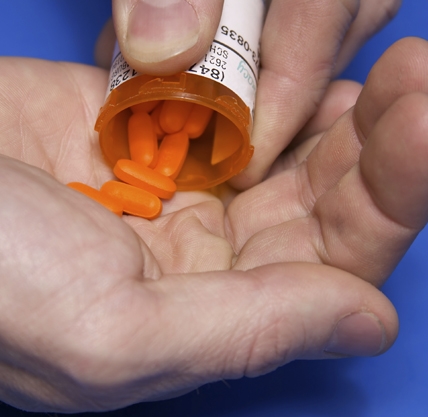
My daughter is 25 and had a brain injury more than a year ago. She continues to have headaches that are very strong... she describes them as pressure against her brain. Her neurologist gave her anti-convulsant drugs. What are anti-convulsants for exactly and why are they used for headaches?
There are numerous causes for post-traumatic headache. Migraines are actually not the most common cause of chronic headaches. Other types of headaches such as tension or cervicogenic headaches occur more frequently. Before treating anyone with drugs that can have adverse effects like those associated with anti-convulsants (including hair loss, tremor, weight gain, nausea, drowsiness, cognitive impairments, and behavioral changes including mood disturbance and fatigue), it's important to be sure that the diagnosis is correct.
Part of establishing an appropriate diagnosis is taking an adequate headache history and doing a full post-traumatic physical headache exam (see article on post-traumatic headache for further details). If your daughter’s headaches are bilateral, that is, involving both sides of the head and feel like a tight band or hat around her head (e.g. "pressure against her brain"), then she might have either cervicogenic-type headaches or tension-type headaches. (A migraine is typically a one-sided or unilateral headache disorder.)
If your daughter does have migraines, anti-convulsants could be considered for prophylactic treatment — that is, the use of daily medication to decrease the frequency and severity of the headaches. There are good evidence-based, placebo-controlled trials showing that anti-convulsants can be quite effective as preventative medications for migraine.
Women who are sexually active and on oral birth control pills should be aware that many of the anti-epileptic drugs used to prevent migraines can interfere with the effectiveness of oral birth control pills. The only agents that do not substantially interfere with the effectiveness of oral contraceptives are Topiramate, Zonisamide, and Valproic acid when given in traditional preventative dosages. One also needs to be aware that some of these drugs should not be taken if you’re pregnant because of the risk of birth defects.
The majority of studies that have looked at the role of anti-convulsant drugs in migraine-type headaches suggest that Valproic acid and Topiramate are the most effective, although other agents in this class have been used for the same purpose. Topiramate and Valproic acid are the only two anti-convulsants that have FDA approval for migraine prevention.
Ultimately, the key is to make sure your daughter receives an accurate diagnosis. Encourage her to talk with her neurologist again. In my experience, most people have more than one contributing cause to their post-traumatic headache disorder (e.g. cervicogenic, temporomandibular joint disorder or TMJD, tension, migraine, neuralgic/neuritic being the most common ones seen).
About the author: Nathan Zasler, MD
Nathan Zasler, MD is CEO and medical director for Concussion Care Centre of Virginia, Ltd. as well as CEO and medical director for Tree of Life Services, Inc. He is board certified in physical medicine and rehabilitation and fellowship trained in brain injury.

Comments (3)
Please remember, we are not able to give medical or legal advice. If you have medical concerns, please consult your doctor. All posted comments are the views and opinions of the poster only.
Shruti replied on Permalink
My daughter 10 yr old had concussion two months back. One kid elbowed her in her right cheekbone while playing basketball. She has constant headache, dizziness and difficulty in breathing. She is sensitive to light and sound, so that worsens her pain as well.H er doctor has now suggested Toprimate for her headache. When I read the reviews about the side effects of this med I am really scared of giving it to her. What would you suggest?
Anonymous replied on Permalink
Anonymous replied on Permalink