

Overview
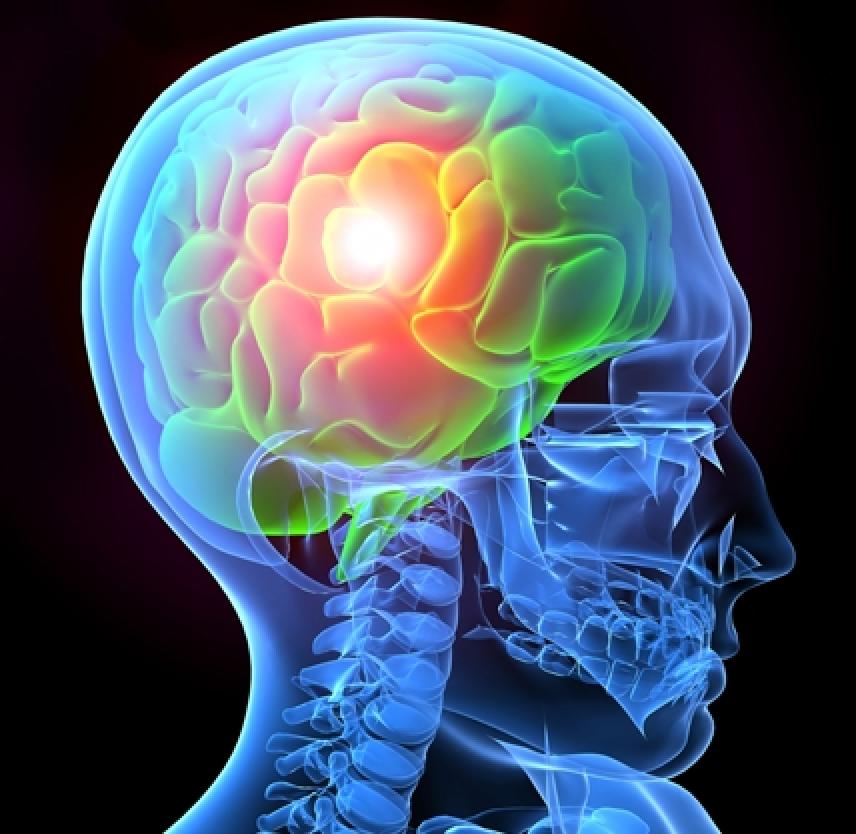
Doctors say that traumatic brain injury (TBI) is a catastrophic condition, like burns, amputations, and spinal cord injuries. But TBI is different. It upsets life on multiple levels: physical, psychological, social, and even spiritual. TBI affects the roots of who we are — our ability to think, to communicate, and to connect with other people. For approximately 85 percent of people with TBI, those problems eventually resolve, but the remaining 15 percent have lasting difficulties. If you’re dealing with lingering symptoms of a TBI, or if you’re caring for a loved one, it can help to understand more about the wide range of challenges that TBI can pose.
A tap on the head, and anything can go wrong. Anything usually does go wrong. Light taps — mild TBI — can result in daily headaches, agitated moods, or periods of sleeplessness. Stronger jolts may cause you to forget your name, or make you think you’re someone different. When you tell someone you’re sad, you may unintentionally yell. A TBI can introduce a frustrating amount of confusion and uncertainty into your life
TBI by the Numbers
TBI has a way of affecting everything and everyone in your life. It can make family life tough, and it can seriously impede your ability to work. It can affect the relationships you have and make it harder to make new friends. In the United States, TBI is a quiet crisis. As many as 5.3 million Americans are living with a permanent disability resulting from a brain injury. The Centers for Disease Control and Prevention report that 2.8 million Americans report a traumatic brain injury each year. Fifty-six thousand people die from it. Over a two hundred eighty-two thousand people are hospitalized. Some of them go home only to discover they no longer have a sense of smell or taste, or that their sleeping habits have changed, or that they can’t seem to do their job anymore.
If you look at the numbers a little differently, they’re even more upsetting. So many Americans become disabled from a brain injury that each decade they could fill a city the size of Detroit. Seven of these cities are filled already. A third of their citizens are under fourteen years of age. Currently, there are at least 125,000 people with a brain injury so severe that it requires extended hospital care — a service difficult to find and even harder to access. Fortunately, the majority of people who experience TBI will be able to return to a productive life once they receive appropriate treatment
A Closer Look at the Brain
Even though the numbers are large, it’s important to remember that TBI is a human injury. It has a way of showing us that life is fragile and precious. Because the brain is a complicated network of cells, each injury is as distinctive as the person it affects. Our skulls are only a quarter inch thick, although male skulls are a little thicker, which is lucky considering the fact that men tend to get TBI more often than women. The skull is both protective and restricting; it is the brain’s best defense but also its greatest risk in times of trauma.
Surrounding the brain is an almost rubbery, clear layer of tissue called the dura mater. It helps protect the brain from moving around too much. Beneath the dura mater is another layer called the arachnoid layer, which looks and feels like wet cotton candy. The dura mater, the arachnoid layer, and another layer — the pia mater — all form what is known as the meninges, which keeps the brain floating inside the skull. If these layers get infected, ripped, or torn, it can cause serious damage to the brain
Types of TBI
Every brain injury is different, but there are two basic types: open head injuries and closed head injuries. Open head TBIs are a frightening mess. Whether the injury comes from a bullet, a baseball bat, or a high-speed collision, the result is always chaotic and distressing. The scalp bleeds a lot when it is cut, and when the skull is cracked or penetrated, pieces of it can get lodged in the brain. Because the brain is such a complicated tangle of tissue, it’s extremely tricky to remove objects lodged inside a brain. That’s why we put brain surgery right up there with rocket science in our everyday language.
In a closed head injury, nothing penetrates your skull, but a closed head injury can be just as complicated and vicious as an open head injury, sometimes more so. During a closed head injury, the brain may slam against one portion of the skull, then bounce against the opposite side of the wall. Doctors call that a “coup-contracoup” injury, where two injuries occur from a single blow. One of the most common types of closed head injury is a concussion — a strong blow from an external force. If a person’s head is whipped around, a small tearing effect called shearing occurs throughout the brain, resulting in a diffuse axonal injury. Axons are the hairlike extensions of nerve cells that transmit messages, so in a diffuse axonal injury, the messages either get mixed up, or they don’t come through at all
Treating and Living With TBI
An injured brain also has a tendency to swell, so if there is no room in the skull to expand, the swollen brain may start pushing against the eye sockets. The optic nerve eventually gets pinched, and eyesight is affected. A surgeon might drill holes into a skull to test cranial pressure. If the swelling is too extreme, the only option is to create an escape hatch by sawing away a portion of the skull.
The neurosurgeon is in charge of protecting the brain through medical procedures, but the survivor has to manage life with the effects of the TBI. Everyone reacts differently, depending in part on the severity of the injury, the quality of their care, and the strength of the social network around them. Many survivors feel pulled in different directions, feeling at times that the injury has made them less than what they were, and at other times that they can integrate TBI into their lives in a positive way. People with TBI are forced to confront a whole series of personal questions: How does my injury really affect me? Can I regain the things I’ve lost? What am I other than my brain? How can I make the most of my life?
Looking Ahead
Our understanding of TBI is changing in front of our eyes. As organizations such as the Brain Trauma Foundation continue to define the best practices in treating brain injury, medical care is slowly improving — at least for those patients able to gain access to early trauma care. The war in Iraq has already changed the way we treat TBI in America. Military surgeons who learned life-saving techniques like early cranioplasty are able to employ similar protocols in American trauma centers
In the years to come, we may increasingly see brain trauma as a chronic but manageable condition similar to diabetes or cardio-pulmonary disease. That perspective might also help in reducing the negative stereotypes of TBI. For now, though, TBI survivors and those who care for them continue to face serious challenges in finding help and finding acceptance.
TBI is a much more manageable injury today than it has been in the past, but it remains a major health problem. As people with TBI continue to live longer and face the challenges of aging with TBI, it will be our duty to provide better education and long-term programs and services. We all have brains; let’s continue to use them — injured or not — to support TBI prevention, research, and treatment.

Comments (349)
Please remember, we are not able to give medical or legal advice. If you have medical concerns, please consult your doctor. All posted comments are the views and opinions of the poster only.
Amanda K. replied on Permalink
In 1996 around the age of 36, I was shot in the back of the head by my husband with a .38 caliber handgun. I suffered a severe concussion, and two black eyes, and I now have a head full of bullet fragments. The doctors were originally told that we had an argument and he threw a bottle and it busted my head. Later when the police came back to the hospital, they told the doctors that I had been shot in the head. At that point, they started looking for a bullet. I was told that two nurses had to be sent home because they became very ill due to seeing my skull exposed and my hair being pulled over my face. This is something that is usually done in an autopsy. I was awake throughout the entire surgery. The bullet ripped my head open from the left side all the way to the right side and exited and landed on a table in my living room. I have no headaches today, but I will carry bullet fragments in the back of my head until death. I am more than sure that I had a traumatic brain injury at that time due to the tremendous blow to my head. I am grateful to be alive.
Amanda King replied on Permalink
I was shot in the back of the head with a .38 caliber handgun. The bullet ripped open my skull from left to right and exited to the right side of my head. I suffered a severe concussion which also gave me two black eyes. Once the doctors were told that my husband had actually shot me in the head, and not thrown a bottle and busted my head, the doctors started looking for the bullet. Thankfully the bullet didn't penetrate my skull, but my head was split open from left to right. I still have tons of bullet fragments in my head. I do not suffer from headaches. I do believe that I did suffer traumatic brain injury due to the extremely hard blow to the back of my skull and the concussion. I am blessed to be alive and not have any complications.
MR. Lucky replied on Permalink
Hello, I was working on a crane that is located on the outside of building, the kind that construct high rise buildings. the crane became detached from building so i fell 20 stories. that's the height where i was located working on crane. internal pressure within my skull crushed my optic nerve blinding me. this accident was 15 years ago and its only now i am looking into possible T.B.I. problems. i have 90% of symptoms. i never thought my problems could be related to the fall.
Anonymous replied on Permalink
I am 58 years old, a shipyard employee. I stood up and hit my head on an air conditioning units' metal frame and suffered a TBI. The DOD employees have a medical called OWCP and there are no neurologists in 3 counties that will treat anyone because they do not want the "hassle" of paperwork and less money for services when you are a federal injured worker. I have finally received an appointment for a neurology visit 359 days after my TBI. When the injury happened, I was not speaking in coherent words, I had my license suspended for over a month and my ability to walk in a straight line was impeded. I suffer excruciating headaches and my outer scalp still swells. I am mad. I should have gotten treatment right away. I cannot imagine what all of you have suffered with and through.
Caroline replied on Permalink
My 47 yr old daughter picked up Covid 2 yrs ago, also had a stroke. This resulted in a severe brain injury. She currently acts like 4 yrs old, very sad. She was accepted into a Nursing Home, is now saying she is lonely. The facility has called me two times as they have to inform me, ( I’m her biological mother and Legal Guardian)..that they find her sitting on the floor. They tell me they have to coax her off the floor. Not always easy. They mentioned that could be that she is looking for attention. Unfortunately, I live out of her state, but now more than ever I need to try and get her to my state and have her live with me.. I’m trying to find out how much Idaho Medicaid would allow me assistance caring for my daughter. She needs 24/7 care. She begs me to come and get her.
Breaking my heart in half….terrible ordeal for over 2 yrs now, I’ll never be the same.
I have a plane ticket, car rental and motels all lined up to see her for her 48th Birthday….
I can’t even imagine what I’m in store fire when I have to leave..
She receives Medicaid and SSI…
Rachel replied on Permalink
Plan to read your book. Nice to know it exists and there are professionals trying to help survivors. Please continue to reach out and make quality of life better. Thank you.
Anonymous replied on Permalink
I got pistol whip in the head but I felt all the blood come out from my head I didn't want to go to the hospital but my mom put a plants on me so it can get well but a vain keeps on popping out when I shave my head what should I do they said I have small particles in my head but what should I do
Anonymous replied on Permalink
Thank you I have a TBI. My family has never acknowledged the injury. Thank you for your acknowledgment today. God Bless You
Me replied on Permalink
I got beat up 4 bats and crowbar head smashed in body beaten bad. doctors thought I was shot with a shotgun beginning out of hospital eyes couldn't see good. balance still gone if I move too fast everything spins. I learned to kind of control it. spinning not as bad as beginning. Not 4 bats 3 and 1 crowbar thinking to fast sometimes it won't stop
Sandra N Martin replied on Permalink
After an old brain bleed, why is my husband beginning to fall from wheel chair or bed?
Tamara replied on Permalink
Thank you for surviving
Anonymous replied on Permalink
I am near 70 but had what I call an untreated triple TBI while in the Navy when I was 19. I lost a lot of memory but littlie pieces occasionally returned until I was able to connect approximately what happened. I was assigned to a buoy mooring detail along with four others. We were lowered into the water via motor-whale boat and three of us were told to climb onto the buoy while the boat coxswain and radioman remained on the boat. They had instructed us to connect a heavy wire rope/cable to the buoy which we did fine. Then the ship was supposed to reverse until the cable was taut, at which time the anchor chain with detached anchor, would be slowly lowered down to us to connect also to the buoy.
After what seemed like a long time, I looked up to see what was happening. The ship was coming at us and would hit the buoy, when I looked up to the focsle I saw an E-5 Petty Officer cutting the rope that held up the chain. About the same time the ship hit the buoy, the chain came down on top of us. One guy to my right got hit in the leg and went into the harbor/ocean. The other guy stood in the middle where the chain sort of wrapped around him but he did not get hit. I knew that I had less than a second to decide what to do and that I would be in the target area of the chain and tried to jump towards the boat. As I went to jump, the chain (roughly 100 pound links) hit me in the back of the head, changing my trajectory to where the front of my head smacked the metal boat rail pretty hard and then my head ricocheted into the concrete buoy floor. That last hit made me think that was it, I could take no more. I blanked out and do not know if I got hit or crushed more times at that point.
My next memory is in slow motion - I was in the icy cold water going down and tried to see each of the other four and what they were doing at that moment. Once in the water, I reasoned that my safest place would be right next to the back of the buoy under water. The 570 foot ship had bumped into the buoy and there was anchor chain roughly about 200 feet flying around so lots of chaos in only a few seconds. When I arrived at the back of the 12 foot wide buoy, I remember thinking that it was perfect, I did not have to breath and the water was luke warm there and that I could live there. At that time I kept looking for an opening after everything sort of settled down, where I could climb back out of the water and help connect the chain. After what seemed like only a few minutes to me, an opening came and then slammed shut by the boat hitting the buoy, but another longer one later where I climbed out and helped connect the chain which was difficult and took awhile.
We then double checked everything then got back into the boat and had to go around the front of the ship and to the other side to be raised back up to the ship. Upon going round the front of the ship, I looked down at myself and noticed that my dungaree pants were torn wide open all the way from the bottom to the crotch, and my kapok life-jacket looked like someone had taken a machete to it with numerous 8-10 inch vertical cuts all the way across the front. I then looked at myself and did not notice any cuts or other wounds. After a long while I decided that while I was nice and safe next to the buoy, my body was over coming into contact with the boat propeller. I soon had and still do have some memory breaks like repressed memories of portions of this, but I have memories of both this world and the other, in sequence. Witnesses in the group said I was under water for 8-10 minutes.
Soon I was in a mind fog and started having pains like electrical shocks coming out of my neck and other nerve pains which I could not connect to this incident. I was so confused that I could not explain to anyone what was happening to me. Prior to this I had been promoted to E-4 but was waiting for a billet to fill. After a couple weeks, my E-6 called me into his office and told me that my work was "slovenly" and that he was yanking my promotion, which meant more grunt work rather than being in a lesser physical duty where I could maybe heal. Recently I learned that according to the Uniform Code Of Military Justice one cannot be demoted except via an official Court Martial or similar event, but I did not know this back then.
After we arrived on ship from the anchor chain incident, the three people who did not get hit by the chain were sent to sickbay but the two of us who got hit were sent to the 1st Lt.'s office, where we were promptly verbally reprimanded for "jumping off the buoy" and of course we were not allowed to say anything. We were then sent to our berthing compartment but never told to go to sickbay. After now a bit over 50 years, I have lived a strange life but want to know if there is anything I can still do to alleviate even some of the aftermath of all this.
I have over 20 different conditions, at least several that are likely attributed to this multiple TBI. MRI showed a small piece of brain missing due to concussion in the front of my head. I relive this whole incident when I go into a deep sleep and simultaneously seem to randomly without choice lose or wipe short/medium term memories. My long term memory seems to me better but I do not know what I cannot remember. I was told I have post-traumatic selective amnesia, but I also have PTSD which is largely from this but also somewhat mixed with combat. I have hypothyroidism, GERD and stomach ulcers, am nocturnal in sleep or lack thereof, have osteoarthritis in all joints, short and medium term memory loss, probably some long term as well, IBS, tinnitus, hearing loss, entire spine problems and an MRI shows that I had a broken dislocated pelvis but they said it was not acute, peripheral neuropathy and radiculopathy, hypertension, sinus damage and was exposed to Agent Orange, etc., etc. Due to loss of pertinent medical records upon military discharge in 1972, mostly none of this was included so I had to learn to self-treat until around a year or two ago when I was able to produce enough proof of this incident including a buddy letter from one of the three of us on the buoy.
Now VA has me as total and permanent disability but have to continue various comp and pen exams. I also have a random blind spot plus most of the eye things that happen from a TBI. About ten years after this incident in 1981, I was pitching a slow-pitch softball game and got hit very hard in the upper lip which caused loose front teeth, 26 stitches inside my mouth and eight days in the local hospital. I did not see this as the blind spot showed up and that also happened another time during a minor car accident. During this softball hit, I came to on a raised platform where I could watch everyone looking down at my body. There was a long dark hallway to my left so I walked over there but decided not to go down there as it was not lit up. When I decided to return to the platform, I was there in an instant, prior to finishing the thought to go there. In the afterlife, we move by thought so we better have our minds in order or we will be jumping everywhere just by thinking.
Recently I was told by a VA referred community doctor that my cervical MRI indicated I may need repair from C-3 through C-7 and possibly T-1. There are others further down in thoracic and lumbar but they were not now critical. He in turn referred me to a specialist in Denver that I requested who I saw a week ago and he said I needed immediate total disc replacement "stat" which he performed the next day on C-4 to C-5 to prevent imminent paralysis. It seems to have helped, maybe a lot, but time will tell when all the painkillers and things wear off and are out of my system, maybe 3-4 weeks yet. To go through this in one day's time what with VA and the local clinic and hospital all making arrangements, to me this was an amazing miracle.
I seem to remember things in sequence so when people start asking me questions they refuse to listen to my way of answering them which is very annoying to me. They want yes or no but most of this requires sequence of events to answer for me. I do not mean to be annoying to them, but I have taken to answering the only way that I can and if they do not wish to listen, then I tell them I am going to walk because that is the only way I know how to answer them. This excerpt is a short version of a 67 page writeup that I sent to VA a couple years ago, plus around 100 pages of exhibits. It took me around 10 1/2 months to write this for them because I had to re-read everything each day prior to writing or I might include the same things multiple times because I would not remember if I had already addressed things. I look and act normal and have learned to do this in order to fit into any given situation. I have had work experiences that lasted up to 3 years but was forced to be less than totally honest with regards to this disability group. Now I simply tell people that I have a memory deficit and a few other things. In my mind in many ways I am still stuck in this time period due to PTSD which seems to consume my every moment of life, whether awake or asleep. So now I have around 50 years of VA files where they previously told me I was delusional, but now they know that I am not. When I asked them to go through my 5000+ page file to correct this, all I get is a deer in the headlights look. I know you do not provide advice here but am wondering what type of specialists I should seek or if anything can be done to improve my brain-life. I read about a feedback process that allows one to reorganize their brain and wonder if that or anything would be helpful to try at this late date, so far removed from the 1971 TBI's that caused all this?
When I was in high school and even later in college, post military, I always wanted to become a writer, so I can communicate better in writing than verbally. I got through college mostly by reading difficult textbooks into a recorder and then playing this back to me during sleep via a timer and that worked amazingly well. It is just strange living a largely pretentious life when I know there has to be a better one out there. My sister once said: "Out of all the things I've ever lost, I miss my mind the most".
MD replied on Permalink
Loved reading this, sending you healing thoughts!
Rachel replied on Permalink
Fascinating and I can relate to portions but not all of your story. Thank you for your amazing service. You are a miracle in my opinion. I’d like to know more about why we as survivors have this interest in the afterlife based on our experiences with near death? I’m 57 soon and get migraines auto 1988. So I was doing fine until more migraines as I age but did suffer domestic hit to left side which may have exacerbated TBI. I feel that aftercare is for the rich as is biofeedback and anything fancy. If you don’t have high paying insurance your alone and isolated.
Anonymous replied on Permalink
Dear Sir, Thank you for your service. Yes, Please look into Neurofeedback.
Tamara replied on Permalink
have you ever considered acupuncture? Have you research Binaural frequencies?
Thank you for surviving
Anonymous replied on Permalink
Hi, I got beat up real bad about 15 years ago. Until about six months I never understood how much much it had affected my life,my cognitive skills where completely forgotten,I turned to drugs and went to prison where I was placed in the gateway program and was retaught how to think productively or non destructively.. please when u have time, i need legal advice.
Anonymous replied on Permalink
I’m a 36 year old woman now, but at age 12 in 1995 I was in a bad car accident and I was air lifted with open TBI. IT BBROKE MY SKULL PIRCED MY BRAIN I LEAKED FLUID AND HAD SEIZURES. I WAS NEVER FOLLOWED UP WITH, never given any of this information. I have struggled my whole life now I did get married, had kids and worked up till I was diagnosed with cancer. I started 5-6 years maybe even 10 really having problems. I do have a plate in my head, I started having seizures again I also was told a few years ago my whole left frontal lobe Is dead scare tissue now. I am going through a divorce after 17 years my whole family kids all just have nothing to do with me. I have found it hard to be a normal person I have done things I would never during in adulthood and I really don’t use it as an excuse but if there was more awareness about TBI AND OPEN TBIS, maybe my teenage daughters would understand and not hate me. I will tell you reading how they affect you can late in life I have almost all the problems they list and most unnoticeable till adult hood it changed me the day it happened. I would love to see if there is a study I could do to help understand how they effect ppl later in life. I want to start raising awareness for the ppl who are not athletes and who have now Wound up alone and If it gets worse I will be bad off. I know that it is something that has been tearing my life apart from day one.
Rachel replied on Permalink
I wish we could connect just to talk when alone. It’s very difficult having family problems. Do you see a counselor? It’s so helpful. And I do hope you can educate your family in some way asap. I’ll pray.
Michelle replied on Permalink
Hi, my name is Michelle
Thank you very much for sharing your life on here, I feel you in what you are going through in ways. My sister got hit by a car walking about 11 years ago, she is 33 now and I am 32. We live together with our mom. I moved back home when my sister went into surgery for her collapsing skull about 4 years ago. During complications from these surgeries she lost more of her brain and is down to about 1 half ..I cant imagine my life without her. Let me know if you would like to talk more ever
Anonymous replied on Permalink
Great article - well written, informative.
Personal frustration in that people with ABI or "Acquired Brain Injury," are separated and generally not even mentioned in articles about Brain Injury --- a bias that justifies stereotyping by many healthcare and medical social workers, who imagine that all ABIs where a person didn't suffer a stroke, are people who somehow "brought their injuries on themselves."
While ABI may include those with brain injuries from drugs, alcohol, & suicide attempts, it also includes those with toxic exposures they didn't "ask for" (By the way, those that caused their own injuries probably need more care & compassion, not less, just sayin'.) Also, note that TBIs may include the same categories of people who just happened to conk their heads in the process.
ABIs from toxic exposures include not only rescued coal miners and workers in all kinds of industries but also a massive under-reported category of folks who survived chronic poisonings (sometimes undetected for years) in their own homes.
The most devastating thing about ABIs is that so many people may be affected without knowing why their lives have turned upside-down -- and bear the increased likelihood that they will also suffer TBIs because of slowed processing & reaction times & a whole host of other contributing factors.
Carbon Monoxide is just the tip of the iceberg -- and your college-bound or recent graduate kid's off campus rental housing that has improperly installed heating sources is likely to also have improperly tended plumbing or water leak problems that could foster the growth of neuro-toxic black molds. If there is mold, there may be sewer issues that bring about high levels of Carbon Dioxide and Methane.
Often, there is not enough of any one toxin to raise alarm bells, but the environmental "cocktail" may be enough to send an otherwise brilliant but vulnerable mind into a tailspin.
Many sufferers of chronic poisonings blame themselves, and, as they start losing control, they push away all the people who might help. They certainly don't want to tell their docs they think they're losing their minds, but eventually, that's what it most often gets diagnosed as.
Once diagnosed as a mental condition, a person may go on deteriorating with nobody bothering to check their environment. If they die? It's blamed on whatever line of thinking doctors were chasing at the time -- or on the victim her/himself as many will turn to substance abuse to cope with the depression that toxins bring on.
I understand that ABI can affect the brain differently -- decimating small patches all over in the same ways that Alzheimer's does, rather than localized "donuts" of dead tissue surrounded by dormant tissue that may eventually regenerate. However, both because ABI survivors and TBI survivors suffer similar issues, ABIs should be included in articles more appropriately generally described as "Brain Injury." This would at least open the door to greater awareness.
Anonymous replied on Permalink
my son has 2 twenty two bullets in brain and is being held in santa rosa county jail and being abused mentally as well as physically, he was in on a misdemeanor now felony because he got scared and kicked a guard, he is wheelchair , cant walk, deaf in right ear, and i am sure confused as hell that no one cares for him. I need help, this is mom joanne we live in navarre florida
Roz replied on Permalink
Please get a GOOD lawyer who knows about brain injuries and criminal law. And, a good, strong, minister-not an evangelist. I am feeling so bad for you and your son. God bless. Also, there is help through state and national brain injury associations.
Anonymous replied on Permalink
In 2015 I hit a tractor on my way to school for the sun was shining to bright. I was life flighted to the hospital 30 minutes away from the hospital in my home town. They put me in a coma for my brain bleed was on the outside of my brain (frontal lobe). I was in the hospital for 3 months. I was cleared to work and do all that I normally would. Sometimes I wonder if I should have my brain activity checked sometimes because I was diagnosed with severe major depression, generalized anxiety disorder, a bipolar disorder, and a mood disorder. Any recommendations?
Anonymous replied on Permalink
hi I think am having an episode I got hit by guys am not okay forgot were am going and feeling like drunk but dizzy no alcohol mind t spellin also bipolar not feeling of sound mind.32 South Africa help
Anonymous replied on Permalink
I am a survivor of a head on collision that almost killed me at 3yrs old, it damaged my frontal lobe , I had nightmares galore and hallucinations and couldn't distinguish between what was real and what wasn't and today I still struggle with my cognitive disorder, mood disorder, mathematics disorder, depression and anxiety that I take meds for for the rest of my life, am on SSD and SSI after several attempts to hold down a job, then a abusive step dad that played right into that but key word here is survivor eith mental issues
Tamara replied on Permalink
Thank you for surviving
Anonymous replied on Permalink
I’m not sure if I should post on this site or not. I’ve just started reaching out for resources in order to find anyone who can point me in the right direction to help me get the help I need, to help my daughter was is 38 now, and I care for 24/7 by myself. As I’m a single parent, without any family support except my inky other child, my son, who is 4.5 yrs. younger than his sister. If it wasn’t for my son we would be living on the streets.
First, the disclaimer is irrelevant as my adult daughter isn’t receiving any medical care, therapy, durable medical equipment, needed supplies, nutrition, etc since we’ve moved to Florida.
She acquired a severe DAI and short term memory loss and many secondary injuries related and non-related to the car wreck at the age of 33, and during her baby making years. She was a passenger in a fatal car wreck. Of course, the driver who caused the wreck had no insurance or assets
I can assure you no one is financially prepared for this type of injury should it occur.
At the time of wreck, I was trying to find my own legs, after divorcing my ex husband after a little over 33 years of marriage.
I wish I could say he cheated on me, as that would be so much easier to explain why our divorce happened and is the reason I divorced him. As it’s so very relevant to what happened to the oldest of our 2 children, and solidifies I did the right thing when divorcing him.
He’s extremely intelligent but lost his job making over 6 figures at the age of 47 when there was a corporate takeover. He was devastated, i I understood that, but 47 yrs old isn’t over the hill. However, I was very sympathetic and actually now know I was his enabler.
Without me knowing after the first job interview he went on and didn’t get the position, he began to research and manufactured syndromes that only behaviors and verbiage can confirm. You can’t determine by a X-rays, CT, MRI, blood test (believe me I’ve learned a lot and not just from his losing his job, but what he was actually capable of doing and something he would have discouraged and been an advocate against anyone attempting what he was very successful at doing and enjoyed the challenge-it was sickening). People say “Do you really know who you are living with or who your souse is?” I could prior to this happening, answer those questions with an honest “yes” we didn’t hide anything, we shared everything, at least I thought so.
Please keep in mind, this man never took a Tylenol except for a few times in college.
All of a sudden he has PTSD from being in the Air Force after he voluntarily deciding to get out 15 years earlier. He put on a show and when he was only awarded 30% VA disability, he had made his mind up he was going to receive a rating of 100% prior to decision to find anything to acquire a financial gain and life time medical care, which he would have received had he retired from USAF. He couldn’t believe the 30% and back to the drawing board. I left him by this time, as I wasn’t having any part of his deception. Now he all of a sudden has become bi-polar. Not once has he ever displayed any of the symptoms of these 2 real issues that people do experience and have. He had the audacity to ask me to sign a unbelievable statement to attest to the things he said he has been thinking, doing, unable to work, have a relationship with our immediate and other family members, friends, etc. I obviously didn’t sign it, but he talked our daughter who at the time had 3 children and having issues with her ex to sign this with the promise of helping her (probably financially). I don’t know the entire truth about this, as she was a “daddy’s girl.” But she wore her heart on her sleeve! However, she signed it. But it didn’t stop there. He went through multi interviews and psychological testing, even had himself committed to a psychiatric facility to ensure he would get the additional 70% VA disability, which would also allow him to automatically receive the full amount of SSDI (additional tax free income). I personally went to his main psychiatrist at Kaiser (in GA) office one day, which was prior to me moving out. This was his 3rd week of actually seeing a doctor who would get the ball rolling and after the months of the research about PTSD. I asked him every single evening and morning if he wanted me to go with him, as I didn’t know a thing about PTSD, and was worried because he was taking these crazy meds that left him sleeping all the time until he needed to attend these daily group sessions. He was adamant no one else was allowed to attend these meetings because of privacy. It made since to me at the time. One day, I decided to go and meet him for lunch and just talk to him vs him coming home and taking meds that literally left him comatose. I arrived earlier than I thought I would. I went inside and asked where his doctor his doctor was located and was told he was in a session for approx. 30 mins. But I was welcome to wait in the waiting area in his office. Approximately 5-10 mins later a woman who I now know to be a psychiatrist as well, approached me and asked if she could help me? I let her know the above and introduced myself by giving her my first name. She asked he who my husband was and I let her know his first name only, she asked me if my last name was ———? I said yes, and let her know I just wanted to surprise him, and since we weren’t allowed to come, to ensure he knew he had moral support at home, as he isn’t the same person I married a bazillion years ago, and to find out why this all of a sudden started happening to him. She reiterated my name, and didn’t blink a eye and said, “I smell fish.” I asked what she meant by saying that, and she very politely asked me if could stay after the group was released I answered her with, “Of course!” She thanked me and made the comment she was glad she needed to take a restroom break and said it was a pleasure to meet me, but she needed to get back into the group, and thanked me again for staying. I didn’t think another thing about the conversation except way she had said, “She smelt fish???”
She asked who to know why he was doing this, and if he realized what it was doing to our family. to meet him for lunch after his daily group meetings. This is when I found out he was spinning some serious stories while attempting to get the disability. The woman who approached me in the waiting area, and who was also a psychiatrist. She just happened to be sitting in with my ex’s particular psychiatrist with these daily group meetings for personal research. Anyway, she asked if she could help me? I let her know who I was and I didn’t mean to get there as early as I did and decided to come in, so I could met my husband for lunch. She asked me to group to let him know what my still husband was doing & hoped he knew what to look for in individuals manufacturing anything to intentionally
Tag replied on Permalink
Hi,
I’m the person who posted this, and I’m not sure how this happened by it being posted. I was trying to get my ducks in a row to explain the significance of what transpired prior to our daughters fatal car wreck she was in and acquired a severe DAI and short term memory loss and many secondary injuries. I was having a difficult time with pulling the 2 issues together, as each time I typed a character in the space provided, it would almost act like predictive text on your phone. So I decided to copy and paste what I had already typed and place into the “Notes “ in my phone to correct all the errors and then finish the complete story and out come of how my ex was able to deceive so many by actions and verbiage. What I was trying to get to was my ex was successful in receiving the 100% VA disability by being very deceptive and defrauding the government. This all took place prior to my daughter acquiring the DAI she legitimately has. My ex (who can’t be located) is living off 100% tax free monies from the VA and SSDI, and has absolutely nothing wrong with him as far as the other sides he claimed to have, as he must have some type of mental issues to defraud the government and still sleeping at night. After he was tenured, he had a Private physician titrate him off all of those crazy meds he was taking once he no longer had to attend meetings, and have blood test taken monthly. He has ZERO remorse for what he did, and when our daughter was permanently brain injured, he helped me for approximately 3 months, then after physically abusing our daughter physically and mentally and was caught on camera he bounced as pictures (in this case video and having visual and audible capabilities), don’t and can’t lie. He now knew he had committed a federal crime that would leave him without what he worked so hard to achieve by deception, when he physically assaulted our now defenceless , adult disabled daughter. He threatened my life if I turned him in. He had forgotten there were cameras and video recordings all over our new apt, except the restrooms (laminated signs were posted everywhere In my daughter and my new wheelchair accessible apt. regarding all the cameras, videos that were recording and were visual and auditory). I did turn him in and nothing was done about it, except letting me know I rectified the problem by kicking him out. APS saw and heard him threaten me, and literally admit to what he had done approx. 3 years earlier and dared me to have that money taken ftom him, and what he had put his body through to obtain the VA rating then full SSDI. still nothing was done to him for hitting our child 3 times , and yes.... in the head, nor did the VA want to hear they were outwitted. So he continues to collect all the benefits, not just financial. Then there’s our daughter with a true diagnoses and she can’t get the medical care or therapists needed to help her rehabilitate. There’s no wonder there is so much Fraud, Waste, and Abuse. The hotlines to report the above issues, are jokes. Had someone taken the time to compare his medical records from Kaiser (when he was released involuntarily from Kaiser after being caught lying and telling some whoppers on the day I met him unexpectedly for lunch). The 2 psychiatrists called him on the rug that day in front of me. The asked me to confirm what he had been telling them and not one thing was the truth except his name. So he started over at the VA, as it was only 3 weeks into these group sessions, but he’s a quick study. The VA bought it all and he covered his tracks by stating up front, I didn’t believe in him and that hurt him more than the PTSD and the Bi-polar he manufactured. So he’s still receiving everything and our daughter who needs the medical help, therapists, surgeries, by seeing and having factual CT’s, MRI’s, is getting zero help at all. This is a crazy system and one that needs to be re-evaluated in a big way. Yes, I’m bitter and upset because I don’t have the comprehension of how this is allowed to happen. I’m sure my ex is not the first who was able to pull this off and it disgust me seeing those who truly suffer from the above issues which he could have won a academy award for manufacturing and acting out, and those needing the 100% aren’t getting it because of individuals like my ex. Then of course and my main issue with all of this is my daughter, and her inability to receive the care she must have and he is getting a free ride all the way around. I had to reply to what I just happen to run across when researching something for my daughter in hopes to find help for her. When I saw the article I had started and was never was able to complete was posted prior to me making the necessary changes and bringing the 2 different stories together so they made sense. I was left w/out a choice and had to reply to straighten out the unfinished and non-proofread story that ended up on this website. I don’t have time to elaborate on the entire chain of events as the above is the tip of the iceberg. I gave up trying to get the help my daughter needs to give her the quality of life she could have, because I’m not as intelligent as my ex, and I try to follow the rules and not deceive others. I’ve never requested anything more or less than what she truly needs. So when you hear “Cheaters don’t win” that’s incorrect, as the one prolific cheater I personally know did win, and my daughter lost because I played by the rules.
Anonymous replied on Permalink
Hello, My son 21 was in a accident On April 2,2020 he was hit by a car while riding a bike home from work. He Is now home eating,talking ,cursing, walking with assistance but, he does not want to get out of bed and try to do anything. Should I make him walk? He’s incontinent and hates to be changed... he holds on to his briefs so tight... I don’t know what to do
Lisa replied on Permalink
Have you talked to any social workers from the hospital? Did they offer any inpatient rehab?
Has anyone ever spoken to you regarding the changes in his personality and how to deal with it? Getting into a support group would be a help.
Also, speaking with his doctors and getting him into therapy physical/cognitive ASAP would help him greatly, the sooner the better.
My near fatal accident ( was fatal for my husband) was April 5, 1989 and I was 22 at the time.
Teresa Ghetti replied on Permalink
Thank you for your insight and I appreciate it very much. As a single mom caring for her adult daughter who acquired a severe DAI, severe short term memory loss and many secondary injuries in a fatal car wreck as a front seat passenger wearing her seatbelt in late 2015. It’s end of June 2020 now, and the difference of care my daughter receives in Florida vs Georgia is less than despicable. If someone would get her the help she needs, there’s no doubt in my mind she would recover to 80-90%. I’m not naive and know she will never be 100%. My daughter was 33 and has 4 children when the car wreck occurred. Had I known my move to FL in order to be in a warmer climate so she would accelerate in the already amazing progress she was making from having the incredible rehab and then continued medical care/treatment and therapy’s while living in Georgia I never would have made this decision to move to Brevard County, FL. Not only is she not receiving the proper medical care/treatment, therapy’s , and medications she should be receiving, she’s declining at a very rapid pace, as I can’t do everything on my own. I didn’t make this move blindly, I researched, reach out and spoke to medical individuals to ensure she would receive the same quality of medical care as she was receiving in GA. However, I was given erroneous information and to this day I can’t wrap my head around why I would be told the information I was given.
What’s so upsetting is the care is available, but her insurance company is denying everything my pcp has written orders for in order to help my daughter. Her PCP was changed to another Physician who could give 2 cents how she’s feeling and/or doing. I asked why was my daughter changed to you as her PCP after over a year of having the same PCP. Her reply, your daughter needs a higher level of care. This from the doctor we’ve seen twice who didn’t call I. A specific medication my daughter has been on still 2015, and wouldn’t listen or look at the damages she caused by not calling in my child’s medication that took forever to get the right medication regimen while in GA, as all TBI individuals heal and respond differently to different medications because we are all wired differently. I feel so guilty for making this move, and allowing her insurance company and now her new PCP having the ability to control her outcome and future. It disgust me they are allowed to get away with this, and allow my child to suffer and in pain. You name it and I wear that hat, as we aren’t receiving any in home help, therapy, etc. that would help dramatically only if she receives the medical care/treatment the insurance company says they cover, and when a Order/Referral is written, they deny it faster than anything and I’ll receive the denial in the mail. How am I supposed to file appeals and give my daughter all the help she must have in order not to be in a vegetative state? There’s something very wrong here, and she’s even on a waiver program that doesn’t supply what they say they do and she must have. I’ve reached out to ACHA and nothing has changed. If it wasn’t for my son, and my only other child we would be living on the streets due to financial reasons. My son is the youngest of my 2 children and has altered his life so his sister can remain in a safe, loving, and caring environment where she’s treated with respect and dignity. I’m so tired of hearing your doing a great job and hang in there it’s worth it. I just want to scream you don’t have a clue what is happening to my child since we’ve moved to FL.
Whatever individuals you are a case manager for are very lucky to have you as their CM. You actually sound like you care, and are an advocate. My daughters CM will not do anything to help us but says she will, and that adds to the stress and anxiety I already had. God knows, I don’t need anymore of either on my very full plate. Thanks for being the person you are, you have some very fortunate individuals who I hope know how lucky they are and your understanding of what it’s like to be a caregiver and everything else you must do. But this is something I’ve never encountered and someone should be held accountable for my child not receiving the proper medical care/treatment she’s required to receive abd is covered by her insurance company.
Bree replied on Permalink
Hi- when my son was 6 he fell about 15’ through the floor of our house and into a wooden stairwell. He landed on the stairs but he hit the front of his head pretty hard. I rode with him in the ambulance to the trauma ER- the attendant was have a very hard time keeping him awake and alert. They treated him, but there wasn’t the attention on concussions back then like there is now. He stayed overnight in the hospital and was vomiting, but they didn’t really do much testing and he followed up once with his pediatrician. To make a long story short, he is now 21 and struggling with academics, organization and following through. He has never been a good student, but he seems to get overwhelmed very easily and he’s frustrated and feels like a loser because he isn’t doing well in college. He also has hearing loss that requires hearing aides he never wears, and smokes marijuana on a regular basis.
Do you think a head injury of that nature can have such a serious impact now as an adult and make academics difficult? If you think so, please tell me how I can go about helping him- should he be tested? Everyone in my high achieving family thinks he’s lazy.
Thank you!
Anonymous replied on Permalink
YES HAVE HIM TESTED IN EVERY WAY SHAPE & FORM! YOU CANNOT TRICK OR FAKE THE TBI TEST IF THEY ARE TRUE TRAUMATIC BRAIN INJURY TEST
Anonymous replied on Permalink
This was a very good read. Thank you! I am post TBI 5/17/08 age 50 then. I fell 11 feet and broke my fall with forehead hitting a concrete brick wall, had an outer body experience too. I saw myself falling. Anyway, euphoria started that very second, and at the ER I had no idea what i did for a living . I was a nurse for 20 yrs. No longer now. Being that I broke the fall with my forehead, I dislocated my head off my spine and still off cause no one noticed it since no one xray my neck . I also hit my chest/heart at the time when my body slammed into the concrete cement landing. Needless to say, since then I still have problems but I work very hard. One of the biggest problems is the anxiety, fatigue and depression that exacerbated from the tbi, never mind the cognitive stuff which I can deal with since they say i just dropped down a few pegs..LOL. I can't taste stuff so I tend to eat more to try to taste it, and as told, I don'thave a shut off valve to tell me I am full. Anyway, i hope in years this tbi concussion that so many of us suffer from, losses the stigma that attaches to me "you are crazy" when I can't deal with my emotional excitement. I try to tell people not to excite me cause of the delay in process which then gets overloaded and I just pop! Well with that, I one day hope the government looks at someone who had success as a nurse and all of sudden can't do stuff that overwhelms me , understands that yes the brain is resilient but also to, it changes very much after an injury. I know I changed but I am still me, the thing is I don't work and people have a hard time understanding that when I can commuicate so well. Thanks again for the article, I feel supported by what you wrote! Amen.
Misty replied on Permalink
You are an inspiration.
My brother has just suffered DAI, and they want to send him home as an outpatient, straight from hospital.
He had an MVA, so acceleration/deceleration cause of closed TBI. I am very nervous, as research suggests, that individuals have better long term outlook, if kept as inpatient for awhile...
Thanks for sharing your experience. I wish you all the best
Anonymous replied on Permalink
Hi, thanks for allowing us to post here.
May husband had two major accidents, once when he was 3 year old and fell out of the truck and another one when he was eighteen. Both accidents had severe damage to his brain. He is not able to make sense on his ideas, very high sex drive, most dialogue is out of context and does not know how to use appropriated language to speak to people, drink a lot of alcohol thought the week, has sleep problems, does not practice any activity, hard to communicate. However, he is physically active drives his truck, he is able to complete some tasks around the house, plays with kids (but sometimes he cant measure dangers, which worries me), he sex-drive is very high.
We have been to psychiatrist, he is currently under medication.
My questions is,
Is there any therapy he can do to improve his abilities even though his accidents was a while ago?
Thanks kindly
V.
tmrc replied on Permalink
a few days ago my hair was pulled hard by someone. it made a scary skull sound . the person that pulled said they felt a liquid at pull. looking for answers of what that was . and what symptoms to watch for.. cant find in google.
Tiffany replied on Permalink
One year ago I was assaulted with a pistol and hit unconscious woke up and was beat unconscious again. To this day I have migraines everyday they haven’t gone away. I notice my brain can’t think as quickly, I can’t focus on conversations as much. My attention span is shorter. I stutter when I speak now or lose my train of thought. I was a victim of a crime and I have no insurance to see a doctor about it. I wish there was something I could do because this effects my everyday life and my future. Also I don’t remember months of my life before the event. I see photos and have no memory or feeling towards it like I was never there. It’s depressing. If anyone has any advice please reply.
Myia replied on Permalink
I was attacked and thrown off a 4 story balcony and I lose train of thought sometimes , my mind is always racing,I stutter sometimes and I get my words mixed up.
And I’m always depressed don’t wanna do anything most of the time , I ache constantly but no one believes me.
I try to explain this to people and it’s hard to explain like I sometimes I feel one way and act another way and don’t have a reason at all why ?
Idk what to do I feel like I’m goin crazy and I’m alone .
Jasper replied on Permalink
Stay strong, you are never alone. Lots of people feel the same as you do. Things will get better.
Anonymous replied on Permalink
My husband had a severe fall head first out of his bobcat. Major lacerations on head emt said you could see skull. No ct scan was done and since then I have noticed his thinking is not normal. Mixed up doesn't remember things etc. Went to a neurosurgeon and he prescribed a medication for headaches. Felt like he were wasting his time. The medication made no difference. Can something be wrong ?
施曉嵐 replied on Permalink
Thank you, Michael Paul Mason. Thank you for making so much contribution. My dad just underwent a brain surgery. Just now, I asked Google Assistant how to help. It leads me here. The article is easy to follow, informational and full of love. I will use this to help people around me better. Thank you again.
Rae replied on Permalink
I had a Head trauma at the age of 24 in 2006. I am now 37 is it true that your mind stays the way it was at the age of 24??
Tabitha replied on Permalink
I don't think so, the brain has a way of healing its self. You may not be 100% how you were prior, however we mature and change ( without realizing it) into adulthood
Tbi patient replied on Permalink
I don't think so.
I'm glad you overcame it. Is it really after some time you felt better or worked very much or a a little bit? I am searching young tbi patients for the advice.
Melody replied on Permalink
My husband has a 3 1/2 inch lesion on his brain, left over from a brain infection he got as an infant, as a result of an ear infection. It’s in the area of the right frontal lobe. Is this considered a TBI? I don’t know where to start reaching out for resources.
Lin Miller replied on Permalink
I fell top to bottom of staircase backwards missing majority of stairs I hit the skirting board with corner of my head there was no cut but the impact on my head caused indent on my brain I now have uncontrolable unpredictable seizures I find it very hard to remember things or even explain what I've just seen its very frustrating I've found help controlling seizures a bit better with a VNS monitor
Oscar Baeza replied on Permalink
I was hit In The head by a crane at work it did cause alotta damage too me I can’t remember shit anymore I have these, the worst headaches ever I’m scared to go to sleeep at night sometime mmhEs I can fall asleep most the times I can’t sleep all day every day my headaches they hurt so bad ii Want,,ii need help don’t know what else too do
Steve. replied on Permalink
I've occasionally called my partner a name that's from my past it upsets her no end but she doesn't believe me that it's not intentional. Is this common?
Pages