Use the filters to browse the information we have available or to narrow your search results for a specific audience (e.g. caregivers, military, children), a preferred type of content (e.g. videos, blogs, articles), or by topics of interest (e.g. family concerns, legal issues, symptoms).
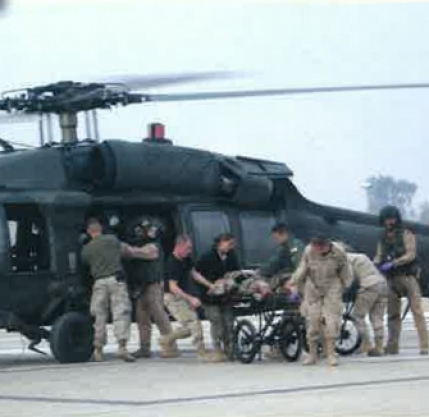
Members of the medical community literally take their lives in their hands every day they go to work. It’s hard not to feel a bit humbled by that courage. My first face-to-face encounter with First Responders was just over a decade ago. In November of 2010 fate saw fit that most of the First Responders from our Main Street Fire Station and I would meet.
Faced with a condition for which mainstream medicine has no satisfactory treatment, what should a reasonable and prudent person do? Accept the dismal verdict or cautiously explore alternatives?
None of these challenges is blatant to the naked eye, but spend a bit of time with me, and you’ll learn soon enough that I’m not as normal as I look. Such is the nature of being invisibly disabled.
The greenbrier plant is not what it appears to be. It’s innocent looking while invasive. It comes raging back after you cut it down, and it can choke what’s underneath. If this sounds a little bit like traumatic brain injury, it is.
It took a few minutes to go over my medical history as we sat in his exam room. He took a few notes, listened to our story, took a few more notes, and asked a question or two. He then looked us square in the eyes and uttered four words. “I can fix you.”
It’s a tough nut to swallow when you look back and realize with stunning clarity that the very quality of day-to-day life after a TBI is largely determined by how well insured you are.
"It’s my personal belief that the quality of fulltime care someone with TBI receives during the first two years post injury has the potential to greatly impact outcome."
The last thing Samuel Console, a retired Pennsylvania Army National Guard lieutenant, remembers after the explosion in Iraq was an orange flash of light. It wasn't until six years later he was diagnosed with brain injury.
April 13, 2002 started like any other Saturday morning for the Rawlins family. In her blog, Rosemary talks about the phone call that changed everything.
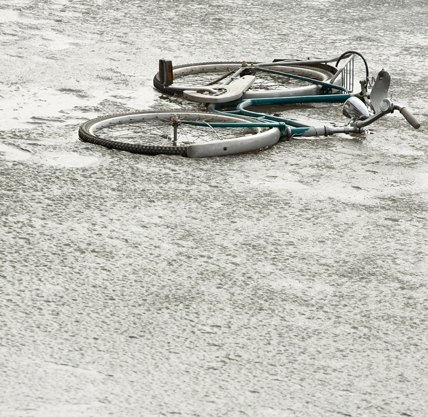
Jerome squeezed hard on the hand brakes, but it was too late. His front wheel collided with the dog; the dog yelped, and Jerome somersaulted over his handlebars.