Turn Text Only Off

Sleeping Problems

Sort by: A-Z | Z-A | Newest | Oldest

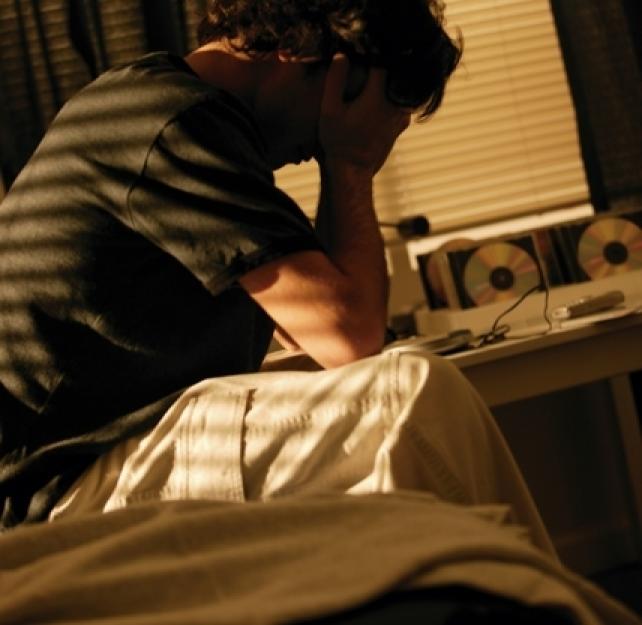
Sleep disturbances are one of the most common symptoms following a brain injury. Not getting good, regular sleep can impact your whole world. In fact, studies and surveys have shown that sleep disorders are three times more common in people with brain injury than that of the general population and that nearly 60 percent of people with traumatic brain injury experience long-term difficulties with sleep. Women are more likely to be affected than men, and issues with sleep are more likely to develop as a person gets older.

article content icon

Acupuncture Helps Brain Injury-Related Sleep Issues
By: BrainLine | Research Update | May 14, 2012

Medication and acupuncture both help with sleep issues after brain injury but  acupuncture has fewer side effects.

article content icon

Could My Husband’s Sleep Problems Be Related to Earlier Concussions?
By: Nathan Zasler, MD | Ask the Expert | February 21, 2012
A neuropsychological exam can often get to the root of sleep issues.

article content icon

Can a Brain Injury Damage the Reticular Activating System?
By: Nathan Zasler, MD | Ask the Expert | January 30, 2012
The functions of the RAS like the sleep/awake cycle and pain signals can be damaged from a TBI.

article content icon

Fatigue and Sleep After TBI
By: Nathan Zasler, MD | Ask the Expert | January 3, 2012
Good sleep hygiene can make a world of difference after a TBI.

article content icon

Is Hypersomnia a Symptom of a Brain Injury?
By: Nathan Zasler, MD | Ask the Expert | October 11, 2011
“Excessive sleepiness” can be a result of a TBI — or several other medical issues.

article content icon

Strategies for Restful Sleep After Combat-Related TBI
By: Bridget Murray Law | July 11, 2011
Sleep disturbances are among the most prevalent and disturbing symptoms for service members and veterans with TBI. Learn more.

article content icon

Fatigue After Brain Injury: Getting Tired of Being So Tired
By: Brian D. Greenwald, MD | Ask the Expert | June 27, 2011
Depression, pain, sleep disturbance, and neuroendocrine abnormalities can all be reasons for extreme post-TBI fatigue.

video content icon

Good Sleep Is Vital for Recovery
By: BrainLine | November 12, 2010
Successful recovery from post-deployment syndrome starts with good sleep hygiene.

article content icon

Sleep and Traumatic Brain Injury
By: Brian Greenwald, MD and Kathleen Bell, MD | April 1, 2010
Getting a good night's sleep -- especially after a TBI -- if often harder than it seems.

article content icon

Improving Sleep in Veterans After Blast-Induced Brain Injury
By: BrainLine | Research Update | April 1, 2010
Counseling and medication can improve sleep after blast-related TBI.

article content icon

Sleep Medications May Have Unwanted Side Effects
By: BrainLine | Research Update | March 1, 2010
Some sleep medications cause cognitive problems post-TBI.

article content icon

Sleep and Brain Injury
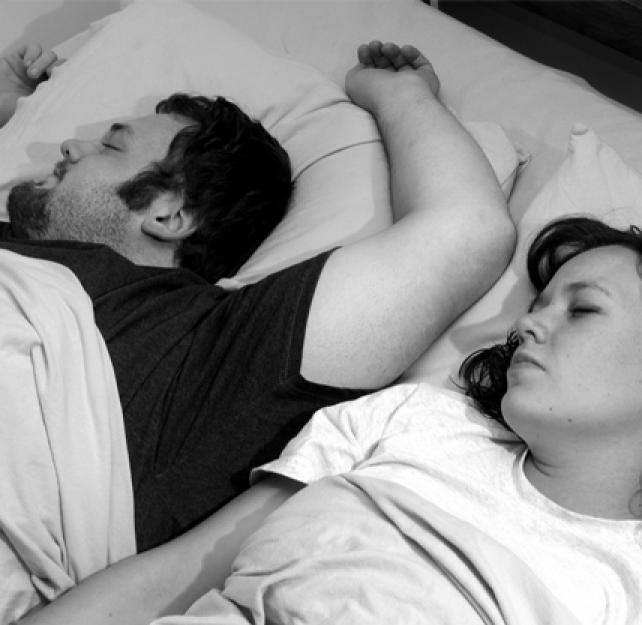
By: The University of Washington TBI Model System and the University of Washington Medical Center | June 19, 2009
Find out what to do if you aren’t getting good, regular sleep.

article content icon

Sleep Issues After TBI
By: Dr. Celeste Campbell | Ask the Expert | March 1, 2009
Fatigue can be an issue after TBI. Learn about the importance of scheduling rest.

Grab our widgets

Footer