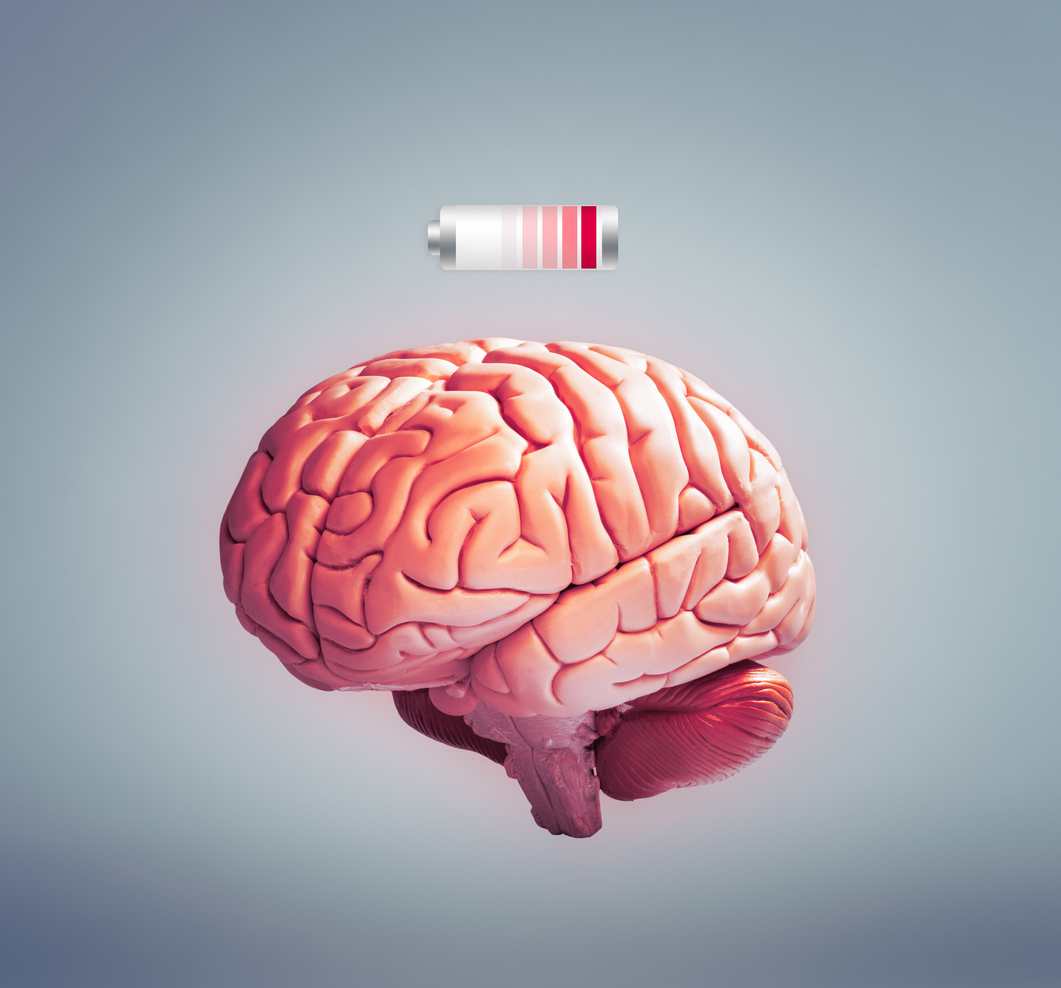
Traumatic brain injuries can result in bruised brain tissue, bleeding inside the brain, large or small lacerations in the brain, and nerve damage due to shearing forces. The brain can also experience a number of secondary types of damage, like swelling, fever, seizures, or an imbalance of neurological chemicals. A traumatic brain injury may either be a penetrating injury or a closed head injury.
Penetrating head injuries occur when an object, like shrapnel, enters the brain and causes damage in a specific area.
Closed head injuries occur when there's a blow to the head, which can happen during a fall, car accident, sporting event, or any number of different ways.
Children with a Parent with TBI Often Grow from the Experience
Dr. Audrey Daisley explains that in the long term, kids with a parent with TBI often feel as if they have grown stronger from the experience.
Christopher Nowinski's Frightening Post-Concussive Symptoms
It took years for athlete Chris Nowinski to overcome his many symptoms from TBI. They ranged from debilitating headaches 50% of the time, REM [sleep] behavior disorder, short-term memory problems, and more.
BrainLineKids.org: Helping Kids with Traumatic Brain Injury
BrainLineKids helps parents, educators, and professionals communicate and develop common goals to help kids with TBI.
BrainSTARS: Sensory Processing
Many sources of stimulation that are interesting or fun for other children, such as bright colors, loud music, and crowds, may be uncomfortable for a child who has difficulty processing sensory information after a TBI.
The Journey Toward Recovery: Youth with Brain Injury
Jerome squeezed hard on the hand brakes, but it was too late. His front wheel collided with the dog; the dog yelped, and Jerome somersaulted over his handlebars.
Second Impact Syndrome in Children
What happens if a young athlete doesn't take the proper amount of time to recover after a concussion before sustaining another?
Types of Brain Injury
Learn what can happen to the brain — from compression fractures to contrecoup injury.
Working the Sidelines
One athletic director's strategies for keeping young athletes' brains safe.
Typical Recovery Sequence Following TBI
From learning to walk again to processing complex information — learn the steps to recovery.
Traumatic Brain Injury: Susan's Story
Understanding the basics of TBI is crucial, especially since the symptoms can be invisible.
Classroom Interventions for Students with Traumatic Brain Injuries
There is a lot to know about helping children with TBI successfully return to the classroom.