

Turn Text Only Off

Page Utilities

 
BrainLine Kids is a service of WETA logoTRI logo
 

Dr. Gillian Hotz: Learning to Cross the Street Is More Than Simple ABCs Learning to Cross the Street Is More Than Simple ABCs

Click on any phrase to play the video at that point.
I think the whole first concept is to get the child to the corner, to a curb where they have to learn that they cannot cross midstreet. So you have to show them what a curb is, what a corner is and also the familiarity of the colors red and green. Green means go, red means stop and then starting to learn the pictures first. That's where we start with the Kindergarten level. To make an intersection safe, first of all, there has to be an identified curb. So there's got to be some place that there's a corner. And at that corner, there either has to be a crossing walk or there has to be a signal. And I think that what happens is that what we teach in our curriculum is that if you don't have these two things, it's not really a safe place to cross. But a lot of the time, what happens is in these rural areas, where there are not so many crosswalks, and there's not so many traffic signals, people seem to cross midstreet. And so that becomes problematic, but also the incidence of being hit is very low in these rural areas, as well, because there's just not traffic volume as we do in urban areas. When you teach a child who's in grade 1 left and right, the best way to teach this is we have pictures. We also teach the L, you know, signal with fingers, and then there's a song also that goes with it, but we actually have them walking across the street, looking left, looking right, you know, the whole thing. And this seems to get the motor with the words, and this is what we teach. And, you know, they're always looking for oncoming traffic and then how to judge, you know, how fast those cars are coming, but I guess, you know, the thing you need to teach your child is that you must go where you see the crosswalks and signals, because that'll be the safest place for you to cross.

show transcriptShow transcript | Print transcript

Learning to look left, right, left is only the beginning when teaching kids a life-long habit of being a safe pedestrian.

See more videos with Dr. Gillian Hotz.

Produced by Brian King and Vicky Youcha, BrainLine.


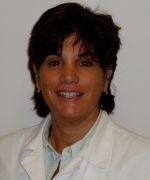
Gillian Hotz, PhD Gillian Hotz, PhD is the director of the KiDZ Neuroscience Center and the Concussion, WalkSafe™ & BikeSafe™ Programs in the Department of Neurosurgery & The Miami Project to Cure Paralysis, at University of Miami Miller School of Medicine. Dr. Hotz is a research professor and the principal investigator on many funded national, state, and local grants for injury prevention research projects and clinical trials for children with traumatic brain injury.

The contents of Brainline (the “Web Site”), such as text, graphics, images, information obtained from the Web Site’s licensors and/or consultants, and other material contained on the Web Site (collectively, the “Content”) are for informational purposes only. The Content is not intended to be a substitute for medical, legal, or other professional advice, diagnosis, or treatment.

Specifically, with regards to medical issues, always seek the advice of your physician or other qualified health provider with any questions you may have regarding a medical condition. Never disregard professional medical advice or delay in seeking it because of something you have read on the Web Site. If you think you may have a medical emergency, call your doctor or 911 immediately. The Web Site does not recommend or endorse any specific tests, physicians, products, procedures, opinions, or other information that may be mentioned on the Web Site. Reliance on any information provided by the Web Site or by employees, volunteers or contractors or others associated with the Web Site and/or other visitors to the Web Site is solely at your own risk.

Related Content

Audio/Video:
 

 Comments

There are currently no comments for this article


BrainLine Footer


BrainLine.org is a WETA website funded by the Defense and Veterans Brain Injury Center through a contract with the Henry M. Jackson Foundation. Government funding support is not an endorsement of WETA or any of its products, including this website.

© 2013 WETA All Rights Reserved