

A friend with a mild traumatic brain injury is an excellent listener and new acquaintances often share their problems with him. He empathizes, which creates the expectation that he will do something to follow up. Then, because his organization and planning skills were affected by the injury, he never takes any action. He loses friends as a result. Is there anything I can do to help?
The good news is that your friend’s desire to be helpful and his ability to empathize will go a long way to improving his situation. It sounds as though he has good interpersonal skills, so people may be more understanding and open to giving him a second chance.
How to help will depend mainly on his awareness that this is a problem.
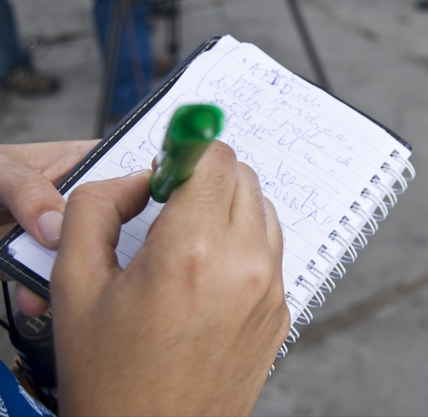
If he knows he has a problem, there are several things he can do to ensure that he is seen as a dependable friend and confidante. The simple answer is for him to write things down. As he is having conversations, he can take notes, putting a star beside the items that require him to take action. This can be as low-tech as a pad of paper and pen or as high-tech as the latest gadget in personal digital assistants (PDAs).
After he writes down things to do, help him schedule a time to follow up on them. These times and dates should be specific, not vague like “sometime next week.” For example, your friend could write down “Make phone call to Bob Wednesday at 1pm” and put it in his schedule as he would a doctor’s appointment.
Another strategy your friend can use is to ask the other person to remind him: “If you don’t hear from me by the end of the week, shoot me an e-mail reminder.”
The key here is for your friend to try to keep as little information in his head as possible. Remember — that is where the injury is. Create a system to record information, and a system of cueing to accomplish things. Depending on the nature of his injury and the complexity of his life, he may be able to do this on his own, or he may need your help. He may also want to consider enlisting the services of a cognitive rehabilitation specialist. This could be a speech therapist, an occupational therapist, or a neuropsychologist — someone who is skilled and experienced in working with people with brain injuries and who can help him identify strategies that best match his lifestyle.
If he is not aware that he has a problem, the situation is a little harder. In this case, you may want to directly point out to him what your concern is — with specific examples. Tie it to what he does know about his brain injury and in what ways it may be affecting his friendships. At the same time, let him know that there are some specific ways to address this, and that you are willing and available to support him. Again, obtaining the services of a specialist may be a part of this intervention. Recognize, however, that if your friend does not or cannot see that this is a problem for him at this point, there may not be anything you can do about this issue right now. Continue to be a good friend, supporting him where you can, and being there when and if this does become an issue for him.
About the author: Celeste Campbell, PsyD
Dr. Celeste Campbell is a neuropsychologist in the Polytrauma Program at the Washington, DC Veterans Administration Medical Center. She has a long history of providing cognitive psychotherapy and developing residential behavioral management programs for children and adults.
Comments (2)
Please remember, we are not able to give medical or legal advice. If you have medical concerns, please consult your doctor. All posted comments are the views and opinions of the poster only.
Anonymous replied on Permalink
Jane replied on Permalink
Hi anonymous, instead of taking notes while talking to a person you may use a digital voice recorder. I recommend Olympus digital voice recorder. It is so small and it can record 1100 hours. It's also cheap.